Best strategy for finding top indie & AAA game deals & safely redeeming codes?

In the vast and ever-expanding universe of video games, discovering the perfect title at an unbeatable price is a thrill almost as satisfying as playing the game itself. Whether you’re a fan of high-budget AAA blockbusters or charming indie gems, smart shopping can significantly expand your library without breaking the bank. However, with countless platforms, retailers, and marketplaces, navigating the deal landscape and ensuring safe code redemption requires a strategic approach.
Mastering Major Platform Sales and Retailers
The most straightforward way to snag AAA game deals is by keeping a close eye on major digital storefronts. Platforms like Steam, Epic Games Store, GOG, PlayStation Store, Xbox Store, and Nintendo eShop frequently host seasonal sales (Summer, Winter, Black Friday) with discounts reaching up to 90%. Setting up wishlists on these platforms often triggers email notifications when a desired game goes on sale.
Beyond digital, physical retailers such as Amazon, Best Buy, GameStop, and Walmart also offer competitive prices, especially during holidays or new console launches. Comparing prices across both digital and physical stores is a crucial first step.
Unearthing Indie Gems and Bundles
For indie game enthusiasts, the deal-finding strategy shifts slightly. While major platforms still host indie sales, dedicated indie storefronts like Itch.io often have unique bundles and direct-from-developer discounts. Humble Bundle is a legendary destination for both indie and AAA games, offering curated bundles at pay-what-you-want prices, often benefiting charity. Fanatical and Green Man Gaming are other excellent sources for discounted keys, frequently featuring bundles and individual game sales across various genres.
Subscribing to newsletters from your favorite indie developers or small publishers can also alert you to exclusive discounts directly from their websites, sometimes even offering early access deals.
Leveraging Price Trackers and Deal Aggregators
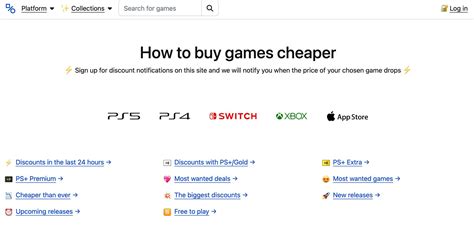
To avoid endlessly checking websites, utilize price tracking tools. Websites like IsThereAnyDeal.com allow you to create wishlists and receive email alerts when games drop below a certain price across multiple authorized retailers. Enhanced browser extensions like Augmented Steam (for Steam users) integrate price history directly into store pages, showing you if a “deal” is truly a good price or a recurring discount.
Deal aggregator sites such as CheapShark, IGN Deals, and HotUKDeals (or similar regional sites) compile daily gaming deals from various sources, making it easier to spot emerging discounts quickly.
Navigating the World of Key Resellers (Caution Advised)
Third-party key reseller sites like G2A, Kinguin, and CDKeys often boast incredibly low prices. While some of these sites operate legitimately by buying keys in bulk or from regional price differences, the gray market nature carries significant risks. Keys can sometimes be obtained through illicit means (e.g., stolen credit cards), leading to them being revoked by the publisher, rendering your purchase useless and potentially risking your account. If considering these sites, always research the seller’s reputation thoroughly and understand the potential pitfalls.

Safely Redeeming Your Game Codes
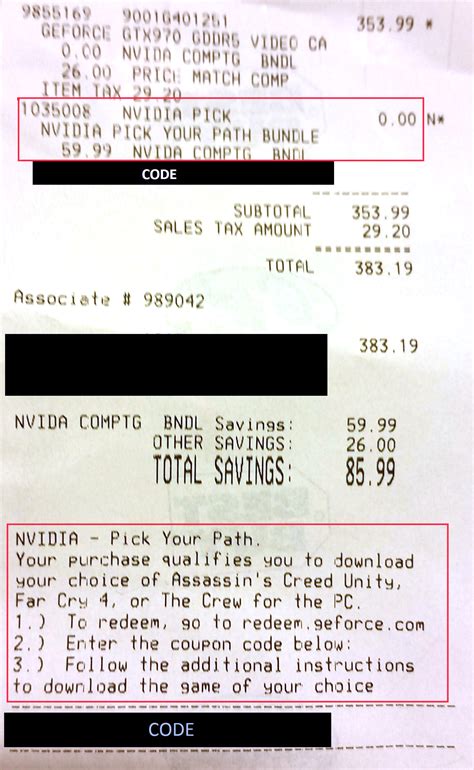
Once you’ve secured a game key, safe redemption is paramount. Always redeem codes directly on the official platform (Steam, Origin, Epic Games, PlayStation Network, Xbox Live, Nintendo eShop). Never enter a code on a third-party website claiming to “validate” or “activate” it for you. These are almost always phishing attempts designed to steal your account credentials.
Ensure you are logged into your correct account before redeeming. Double-check the code for typos. Most platforms provide clear instructions on where to enter a digital key, usually found in a “Redeem Code” or “Activate Product” section within the client or website.
Protecting Your Accounts and Avoiding Scams
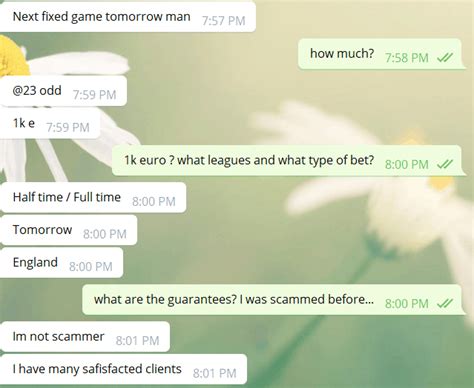
Vigilance is key. Enable two-factor authentication (2FA) on all your gaming accounts for an extra layer of security. Be wary of unsolicited emails or messages offering “free” games or unbelievably good deals; these are often phishing scams. Always verify the sender’s email address and look for official domain names. If a deal seems too good to be true, it almost certainly is.
When purchasing from a new or unfamiliar retailer, check their reviews, payment security, and return policy. Reputable stores will have clear contact information and support channels.
Conclusion
Finding great game deals and safely redeeming codes doesn’t have to be a gamble. By combining smart shopping habits – monitoring official sales, utilizing price trackers, exploring legitimate bundles, and exercising caution with third-party resellers – you can build an impressive game library economically. Always prioritize security by redeeming codes on official platforms and enabling 2FA, ensuring your gaming journey remains both thrilling and safe.