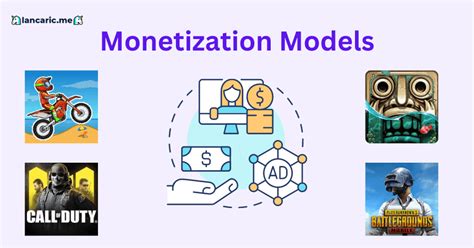
Actionable tips to spot and avoid predatory mobile game monetization?

Understanding Predatory Mobile Game Monetization
Mobile gaming has exploded in popularity, offering entertainment to billions. However, the free-to-play model, while accessible, often hides insidious monetization tactics designed to extract as much money as possible from players, sometimes preying on psychological vulnerabilities. Understanding these methods is the first step toward safeguarding your finances and enjoying a truly fair gaming experience.
Predatory monetization goes beyond optional cosmetic purchases. It involves mechanics that intentionally frustrate players, create artificial scarcity, or leverage gambling-like systems to pressure spending. Recognizing these red flags is crucial for any mobile gamer.

Key Signs of Predatory Monetization
1. Aggressive Pay-to-Win (P2W) Mechanics
A game is P2W when players can gain a significant, often insurmountable, advantage over non-paying players simply by spending money. This typically involves selling powerful gear, exclusive characters, or instant upgrades that bypass grinding. If you constantly feel outmatched unless you open your wallet, it’s a strong indicator.
2. Gambling-Like Elements (Loot Boxes, Gacha)
These systems involve spending real money (or premium in-game currency bought with real money) on randomized rewards. Loot boxes and gacha mechanics simulate gambling, leveraging chance and sunk cost fallacy to encourage repeated purchases in pursuit of rare items. They often lack transparent odds and can be highly addictive.
3. Artificially Inflated Difficulty and Grind Walls
Many games are designed to be fun and engaging, but some artificially inflate difficulty or introduce extremely long, repetitive ‘grind walls’ that are near impossible to overcome without spending. If progress slows to a crawl or becomes incredibly frustrating unless you buy an ‘energy refill’ or ‘booster,’ it’s a deliberate tactic to push IAPs.

4. Scarcity Tactics and Fear of Missing Out (FOMO)
Predatory games frequently employ limited-time offers, daily deals, and exclusive content that expire quickly. This creates a sense of urgency and FOMO, pressuring players into impulsive purchases. Notifications about ‘expiring offers’ are often a common culprit.
5. Confusing and Multiple In-Game Currencies
A complex web of different premium currencies (gems, crystals, gold, tokens) can make it difficult to track real-world spending. Developers often price these currencies in odd bundles that don’t perfectly align with item costs, leaving players with small, unusable balances that encourage further purchases to ‘top up.’
Actionable Tips to Avoid Predatory Monetization
1. Research Before You Download
Before installing a new game, check reviews on app stores, gaming websites, and forums. Look for discussions about monetization practices, pay-to-win elements, and overall fairness. Sites like Reddit’s r/gachagaming or game-specific communities often highlight problematic trends.
2. Set Strict Spending Limits (and Stick to Them)
Decide beforehand how much, if anything, you’re willing to spend on mobile games per month. Treat it like any other entertainment budget. Many app stores and even some games allow you to set spending limits or require a password for every purchase, which adds a crucial moment of reflection.
3. Disable In-App Purchases (IAPs) or Require Passwords
If you’re particularly susceptible to impulsive spending, consider disabling IAPs entirely in your device settings. For Apple devices, go to Screen Time > Content & Privacy Restrictions > iTunes & App Store Purchases. For Android, you can set a password requirement for all purchases in Google Play Store settings.

4. Be Skeptical of “Free” Games
Remember that a ‘free’ game isn’t free to develop or maintain. Developers need to make money. While some do so ethically through optional cosmetics or well-designed battle passes, many others rely on predatory tactics. Approach ‘free’ games with a critical eye, especially if they immediately start pushing for purchases.
5. Prioritize Gameplay Over Virtual Status
Focus on the core gameplay loop and whether you genuinely enjoy it without spending money. Resist the urge to chase leaderboards or acquire every rare item if it means opening your wallet excessively. Your enjoyment should come from playing, not from owning virtual trinkets. If a game forces you to spend to enjoy it, it’s not a good game.

Conclusion
Mobile games can provide immense fun, but it’s essential to be an informed and vigilant player. By understanding the common signs of predatory monetization and implementing these actionable tips, you can protect your wallet, foster healthier gaming habits, and ultimately choose to support games that respect their players rather than exploit them. Play smart, not broke!