Actionable tips for setting healthy daily gaming limits for kids?
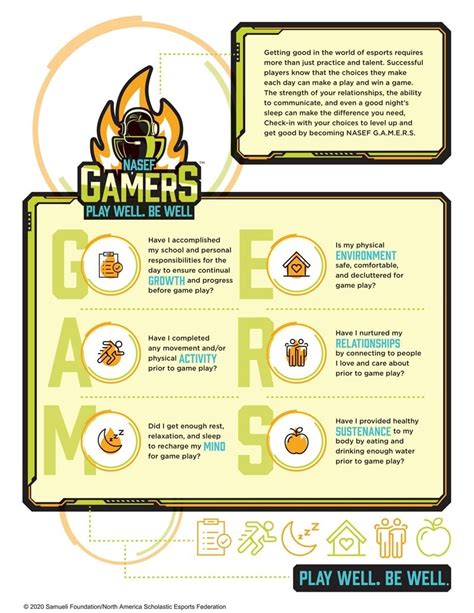
In an increasingly digital world, video games are an integral part of many children’s lives. While gaming offers numerous benefits, from problem-solving skills to social interaction, unchecked screen time can lead to various challenges. Setting healthy daily gaming limits is crucial for your child’s overall well-being, but knowing where to start can be daunting. Here are actionable tips to help you navigate this modern parenting challenge.
Understand the “Why” Behind the Limits
Before imposing rules, take time to understand why limits are necessary. It’s not about punishing your child, but about promoting balance, physical health, academic success, and social development. Explain these reasons to your child in an age-appropriate manner. When they understand the ‘why’, they are more likely to cooperate.

Open Communication is Key
Start with a conversation, not a decree. Involve your child in the process of setting limits. Ask them about their favorite games, why they enjoy them, and how much time they think is reasonable. This collaborative approach empowers them and makes them feel heard, increasing their buy-in. Discuss what activities might be missed if gaming takes up too much time.
Establish Clear Schedules and Routines
Consistency is vital. Work together to create a daily or weekly schedule that clearly outlines gaming times. Consider factors like:
- School days vs. Weekends: Weekends can often have slightly more flexible limits.
- Homework first: Gaming should typically follow homework and chores.
- Pre-determined blocks: Instead of a total daily limit, define specific time blocks (e.g., 4-5 PM).
- Wind-down time: Avoid gaming right before bedtime, as it can disrupt sleep.
Write these rules down and post them somewhere visible, like on the fridge. A visual reminder helps everyone stay on track.

Leverage Parental Control Tools
Most modern gaming consoles, PCs, and even mobile devices offer robust parental control features. These tools can help you:
- Set daily time limits.
- Schedule specific gaming hours.
- Block certain games or content.
- Monitor activity.
Familiarize yourself with these settings and utilize them. They can be invaluable in enforcing the agreed-upon limits, especially when you’re not physically present.
![Best Parental Control App Options 2023 [Social Media Control]](/images/aHR0cHM6Ly90czQubW0uYmluZy5uZXQvdGg/aWQ9T0lQLjBIOXF0T2FLUFVSQmt2eGNVOHIxdndIYUVjJnBpZD0xNS4x.webp)
Encourage Alternative Activities
Gaming limits are more successful when children have exciting alternatives. Actively encourage and facilitate other activities:
- Outdoor play: Sports, biking, playgrounds, or just exploring the neighborhood.
- Hobbies: Reading, drawing, playing musical instruments, building models.
- Family time: Board games, cooking together, movie nights, walks.
- Socializing: Arrange playdates or outings with friends.
The goal is to show them that life beyond the screen is equally, if not more, rewarding.

Lead by Example
Children are master imitators. If you spend all your free time glued to your phone or TV, your gaming limits might seem hypocritical to your child. Model healthy screen habits yourself. Put away your devices during family meals, engage in non-screen activities, and show them the value of disconnecting.
Be Consistent and Flexible
Enforce the rules consistently. Children thrive on predictability. However, also understand that life happens. There might be special occasions (a birthday sleepover, a long travel day) where you can be flexible. Communicate these exceptions clearly and ensure they are rare. The key is to find a balance between structure and understanding.

Setting healthy daily gaming limits is an ongoing process that requires patience, communication, and consistency. By involving your child, utilizing available tools, and providing engaging alternatives, you can help them develop a balanced relationship with technology, ensuring they enjoy the benefits of gaming without sacrificing other crucial aspects of their growth and development.