Actionable tips for setting gaming screen time limits & sticking to them?

Navigating the Digital Playground: Setting Gaming Screen Time Limits
In today’s digital age, video games are an integral part of many children’s lives. While they can offer benefits like problem-solving skills and social interaction, unregulated gaming can lead to challenges, from disrupted sleep to academic struggles. For parents, the task of setting and, more importantly, sticking to screen time limits can feel like an uphill battle. This guide provides actionable tips to help you establish healthy boundaries and ensure they are respected.

Why Setting Limits Matters (And Why Kids Need to Understand)
Before diving into the ‘how,’ it’s crucial to understand the ‘why.’ Explain to your children (in age-appropriate terms) the reasons behind screen time limits. It’s not about punishment, but about balance and well-being. Discuss the importance of physical activity, sleep, homework, family time, and real-world friendships. When children understand the benefits of a balanced lifestyle, they are more likely to accept and internalize the rules.
Actionable Strategies for Setting Limits
1. Involve Your Child in the Discussion
Rather than dictating rules, involve your child in setting them. Ask them what they think is a fair amount of time for gaming. This fosters a sense of ownership and makes them more likely to adhere to the limits they helped create. Compromise where possible, but be firm on non-negotiables.
2. Be Realistic and Consistent
Consider your child’s age, school commitments, and other activities. A kindergartner’s limits will differ from a teenager’s. Consistency is key. Sporadic enforcement undermines the rules and teaches children that limits are negotiable. Establish clear daily or weekly timeframes, such as ’30 minutes on weekdays, 1 hour on weekends,’ or ‘complete homework before gaming.’
3. Define “Screen Time” Clearly
Is watching YouTube part of gaming screen time? What about educational apps? Clearly define what activities fall under the “gaming screen time” umbrella to avoid arguments. It might be helpful to have separate categories for different types of digital engagement.

4. Utilize Parental Control Tools
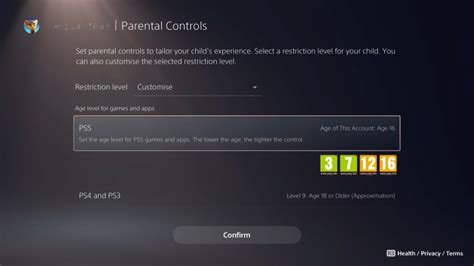
Most gaming consoles, computers, and even routers offer built-in parental control features. These can automatically cut off internet access or shut down games after a set period. Leverage these tools to enforce limits objectively, removing you from the role of the “bad cop.”
- Console Settings: PlayStation, Xbox, and Nintendo all have robust parental control options.
- Operating System Tools: Windows Family Safety and Apple Screen Time offer device-wide controls.
- Router Controls: Some smart routers allow you to schedule internet access for specific devices.
Actionable Strategies for Sticking to Limits
1. Communicate and Reiterate
Remind your child of the impending end of their gaming session 10-15 minutes beforehand. This gives them time to save their game or find a natural stopping point, reducing frustration and meltdowns.
2. Enforce Consequences Calmly
If limits are broken, calmly and consistently apply the predetermined consequences. This could be a loss of gaming time the next day, an earlier bedtime, or temporary removal of the gaming device. Avoid lecturing or emotional reactions; stick to the agreed-upon plan.
3. Offer Engaging Alternatives
When gaming time is over, have appealing alternative activities ready. Encourage outdoor play, reading, creative arts, board games, or spending time with family. Sometimes, children turn to gaming simply because they’re bored or don’t know what else to do.

4. Lead by Example
Children learn by observing. If you are constantly glued to your phone or computer, it sends a mixed message. Demonstrate healthy screen habits yourself. Designate screen-free times, like during meals or before bed, for the whole family.
5. Create a “Gaming Schedule”
Visually display the agreed-upon gaming schedule. A printed chart or calendar in a common area can serve as a clear reminder for everyone and hold both children and parents accountable.
Troubleshooting Common Challenges
- Pushback and Meltdowns: Stay calm and empathetic, but firm. Acknowledge their frustration (“I know it’s hard to stop when you’re having fun”) but reiterate the rules and consequences.
- Sneaking Extra Time: This often means you need to tighten up your parental controls or supervise more closely. Ensure devices are kept in common areas, not bedrooms.
- “But all my friends get more time!”: Explain that every family has different rules, and your family’s rules are designed for their specific well-being.

Conclusion: Fostering Healthy Digital Habits
Setting and sticking to gaming screen time limits is an ongoing process that requires patience, consistency, and open communication. By involving your children, leveraging technology, and leading by example, you can help them develop healthy digital habits that benefit their physical health, mental well-being, and overall development. The goal isn’t to eliminate gaming but to integrate it into a balanced and fulfilling life.