Actionable tips for monitoring kids’ online game safety & content?

Navigating the Digital Playground: A Parent’s Guide
Online gaming is a pervasive part of modern childhood, offering entertainment, social connection, and skill development. However, it also presents potential risks, from exposure to inappropriate content and cyberbullying to privacy concerns and excessive screen time. As parents, ensuring our children’s safety and well-being in this dynamic environment requires a proactive and informed approach.
Understanding the Gaming Landscape

The first step in effective monitoring is to understand the games your children are playing. Research the game titles, their age ratings (ESRB, PEGI), and common gameplay mechanics. Many games have in-game chat features, which can be a source of unregulated communication. Be aware of popular platforms like Roblox, Minecraft, Fortnite, and their community guidelines.
Leverage Parental Controls and Technical Tools
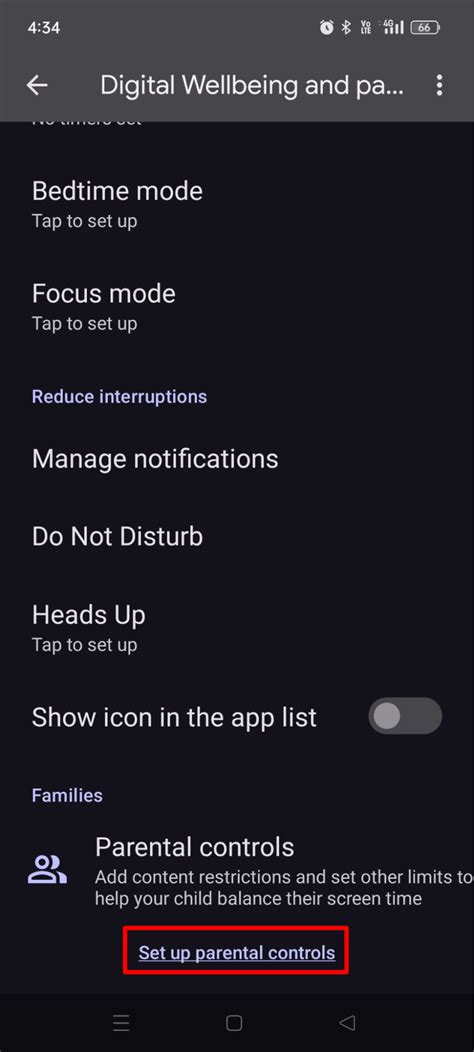
Most gaming consoles, PC operating systems, mobile devices, and even internet routers offer robust parental control features. Utilizing these tools is crucial for creating a safer online environment:
- Console & Platform Settings: Set age restrictions, limit screen time, disable in-game purchases, and control communication settings (e.g., friend requests, voice chat).
- PC & Mobile Apps: Utilize family safety features (e.g., Windows Family Safety, Google Family Link, Apple Screen Time) to monitor app usage, set time limits, and filter content.
- Router-Level Filters: Some routers allow you to block specific websites or categories of content across all devices connected to your home network.
Foster Open Communication and Digital Literacy

Technical tools are only part of the solution. The most powerful tool is open communication. Talk to your children regularly about their online experiences:
- Educate on Risks: Discuss topics like stranger danger, cyberbullying, sharing personal information, and the permanence of online content.
- Encourage Reporting: Assure them they can come to you if they encounter anything uncomfortable or concerning online, without fear of punishment.
- Teach Critical Thinking: Help them discern between real and fake information, and understand the difference between online personas and real people.
Engage Actively and Monitor Regularly

Don’t just set rules; be present. Active engagement provides invaluable insights:
- Play Together: Join them in their games! This gives you first-hand insight into the game content, community, and how your child interacts.
- Review Chat Logs & History: Periodically check in-game chat logs, browser history, and app usage reports if available through your parental control software.
- Observe Behavior: Pay attention to changes in your child’s mood or behavior after gaming, which could indicate issues like cyberbullying or excessive play.
- Keep Devices in Common Areas: Where possible, encourage gaming in shared family spaces to facilitate passive monitoring and interaction.
Set Clear Boundaries and Consequences

Establish clear rules around gaming time, content, and behavior from the outset. Consistency is key for effectiveness:
- Screen Time Limits: Agree on daily or weekly limits for gaming, and stick to them. Use timers or parental controls to enforce these.
- Content Guidelines: Clearly define what types of games and interactions are acceptable and unacceptable for their age and maturity.
- Consequences: Explain the consequences for breaking rules, such as losing gaming privileges, and apply them consistently.
- “Digital Detox” Periods: Encourage regular breaks from screens, promoting other activities like reading, outdoor play, and face-to-face social interaction.
Monitoring kids’ online game safety and content is an ongoing process that requires a blend of technological safeguards, open dialogue, and active engagement. By staying informed, setting clear expectations, and fostering a trusting environment, parents can help their children navigate the exciting yet challenging world of online gaming responsibly and safely.