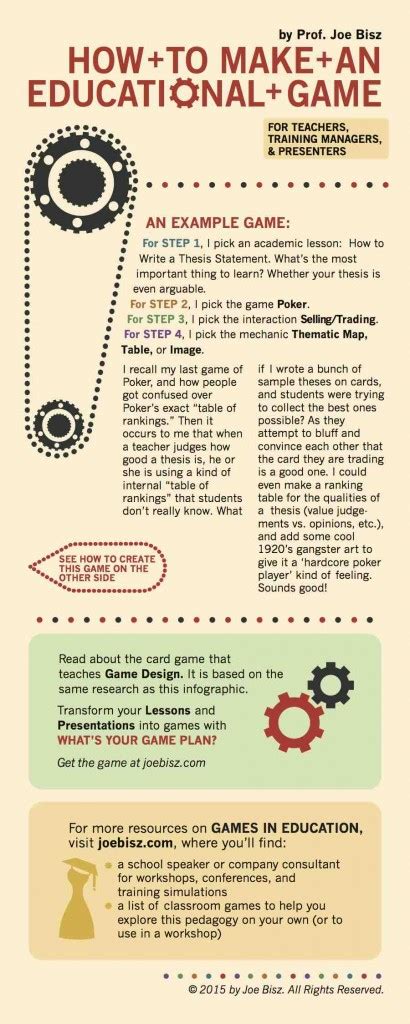
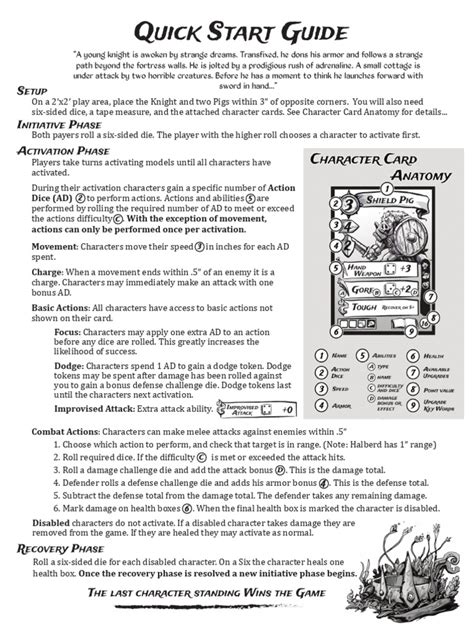
Actionable tip for structuring game how-to guides to avoid new player overwhelm?
The Challenge of New Player Overwhelm
New players embarking on a journey into a complex game often face a daunting wall of information. Traditional how-to guides, while comprehensive, can inadvertently contribute to this overwhelm by presenting a massive volume of data upfront. This can lead to frustration, premature abandonment, and a missed opportunity for player retention. The key is not to withhold information, but to present it intelligently, progressively, and when it’s most relevant.
The Solution: Layered Learning and Progressive Disclosure
The most effective strategy to combat new player overwhelm is to adopt a ‘Layered Learning’ approach, often implemented through ‘Progressive Disclosure’. This means delivering information in stages, starting with the absolute essentials and gradually introducing more advanced concepts as the player progresses and demonstrates readiness for more complexity.
Phase 1: The Absolute Essentials (Onboarding)
Focus on getting the player into the game and performing core actions as quickly as possible. This phase should be highly visual, interactive, and brief. Think: movement, basic interaction, primary objective, and how to access the most fundamental UI elements. Avoid jargon and extraneous details.
During this initial phase, guides should act as a gentle nudge, not a lecture. In-game tutorials that are integrated directly into gameplay are ideal, using contextual prompts rather than long text blocks.
Phase 2: Core Gameplay & Initial Progression
Once players have a grip on the absolute basics, they’ll naturally start exploring and encountering new systems like inventory management, crafting, skill trees, or basic combat strategies. This is the time to introduce guides for these core systems. Information should still be concise and easily accessible, perhaps through quick-reference tooltips, short in-game codex entries, or dedicated short guide sections that unlock as systems are introduced.
The emphasis here is on ‘just-in-time’ learning. When a player opens their inventory for the first time, a short prompt explaining its functionality is far more effective than an inventory guide buried deep in a general manual.
Phase 3: Deep Dives & Advanced Strategies
For the dedicated player who has grasped the fundamentals and is actively seeking to master the game, provide comprehensive resources. This phase caters to players looking for detailed build guides, advanced mechanics explanations, lore summaries, optimization tips, and community strategies. These guides can be extensive, but they should be easily navigable and searchable.
An in-game codex, a well-organized wiki, or a dedicated ‘Advanced Guides’ section on a website are perfect homes for this level of detail. The key is that players *choose* to access this information when they feel ready, rather than being forced to consume it at the outset.

Practical Tips for Implementing Layered Learning
- Break It Down: Use short paragraphs, bullet points, and numbered lists. Avoid wall-of-text sections.
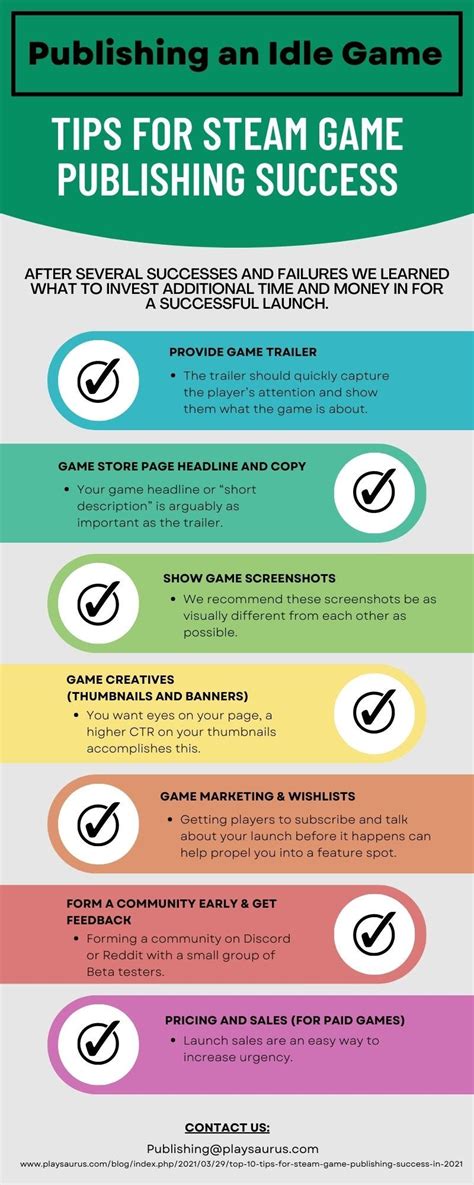
- Visual First: Whenever possible, use screenshots, diagrams, and short animated GIFs or videos (if applicable) to explain concepts. A picture is worth a thousand words, especially in games.
- Contextual Cues: Implement tooltips, highlight new UI elements, and use on-screen prompts that appear only when a player interacts with a new system.
- Scannability: Employ clear headings, subheadings, and bold text to make it easy for players to quickly scan for the information they need.
- Empower Exploration: Design guides that complement exploration, not replace it. Give players the tools to understand what they encounter, but let them discover the joy of the game organically.


Key Takeaway: Respect the Player’s Journey
By structuring game how-to guides using a layered learning approach, you respect the player’s learning curve and individual pace. You transform a potentially overwhelming deluge of information into a manageable, empowering journey of discovery. This not only reduces frustration but also significantly improves player engagement, understanding, and ultimately, retention.

A well-designed guide doesn’t just explain; it enables. It provides the right information at the right time, fostering a sense of accomplishment rather than anxiety, and encourages players to delve deeper into the rich world you’ve created.