




What are effective strategies for choosing age-appropriate games for kids?
In today’s digital age, games are an integral part of most children’s lives. While they offer immense potential for entertainment, learning, and skill development, the sheer volume and variety can make choosing the right ones a daunting task for parents. Selecting age-appropriate games is crucial not only for a child’s safety but also for fostering positive cognitive, emotional, and social growth. It ensures that the content is comprehensible, challenging yet achievable, and aligns with their developmental stage without causing unnecessary stress or exposure to inappropriate themes. So, what strategies can parents employ to navigate this vibrant landscape?
Understanding Developmental Stages
One of the most fundamental strategies is to have a clear understanding of your child’s developmental stage. A game that’s perfect for an eight-year-old might be overwhelming for a four-year-old or too simplistic for a twelve-year-old. Here’s a general guide:
- Toddlers (1-3 years): Focus on simple cause-and-effect games, sensory exploration, and basic interaction. Think about apps with big buttons, bright colors, and simple puzzles that develop motor skills and basic understanding.
- Preschoolers (3-5 years): Games that encourage imagination, simple rule-following, and early educational concepts like letters, numbers, and shapes are ideal. Cooperative play and creative freedom are also beneficial.
- Early School Age (6-8 years): Children in this age group can handle more complex narratives, problem-solving, and strategy. They enjoy games that involve building, exploration, and social interaction, often within a structured environment.
- Pre-teens (9-12 years): At this stage, children are ready for more intricate puzzles, advanced strategies, and multiplayer experiences that require teamwork and communication. Games that foster critical thinking and long-term planning are excellent choices.

Leveraging Game Rating Systems
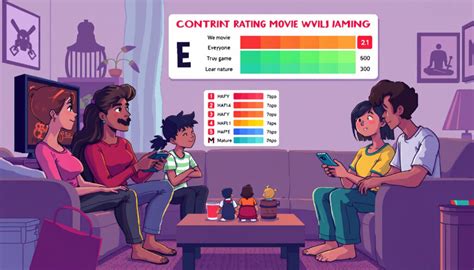
Game rating systems, such as the Entertainment Software Rating Board (ESRB) in North America or PEGI (Pan European Game Information) in Europe, are invaluable tools. These systems provide clear indicators of content appropriateness based on age and specific content descriptors.
- ESRB Ratings: Look for ratings like E (Everyone), E10+ (Everyone 10+), T (Teen), etc., and pay close attention to content descriptors like ‘Fantasy Violence,’ ‘Mild Language,’ or ‘Suggestive Themes.’
- PEGI Ratings: Similar to ESRB, PEGI provides age ratings (e.g., 3, 7, 12, 16, 18) and content descriptors for violence, bad language, fear, sex, drugs, discrimination, and gambling.
These ratings are not just about violence or mature themes; they also indicate the general complexity and skills required to enjoy the game. Always cross-reference the rating with the content descriptors to ensure a complete understanding.

Balancing Education and Entertainment
While entertainment is a primary goal, many games offer significant educational value. Look for titles that stealthily teach critical thinking, problem-solving, creativity, or even academic subjects. Games can enhance spatial reasoning, hand-eye coordination, and strategic planning.
However, it’s also important to strike a balance. Not every game needs to be explicitly educational. Sometimes, pure entertainment and relaxation are just as valuable for a child’s well-being. The key is to avoid solely passive consumption and ensure a varied “game diet” that includes both learning-focused and purely fun experiences.

Considering Your Child’s Unique Interests and Personality
No two children are alike. What one child loves, another might find boring or overwhelming. Pay attention to your child’s individual interests, hobbies, and personality. Do they prefer creative tasks, puzzles, competitive challenges, or cooperative play? Are they easily scared or sensitive to certain themes? Involving them in the selection process, within pre-set boundaries, can empower them and ensure higher engagement with the chosen games.
Reading Reviews and Parental Feedback
Before making a purchase or download, take advantage of the wealth of information available online. Read reviews from trusted gaming sites, and more importantly, look for parental reviews on app stores or dedicated parenting forums. These insights can offer real-world perspectives on a game’s appropriateness, potential pitfalls, and actual developmental benefits.
The Importance of Co-Playing
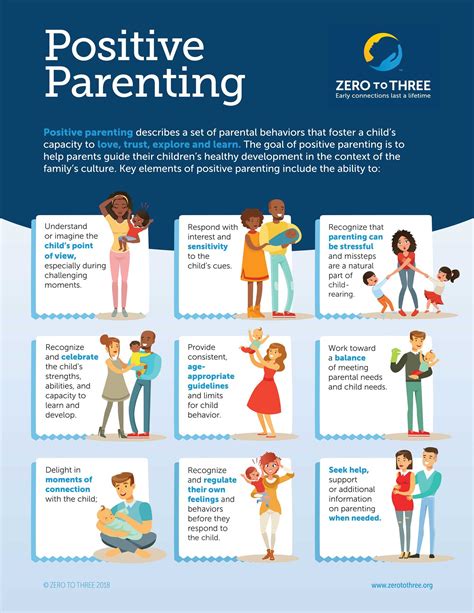
Finally, one of the most effective strategies isn’t about choosing the game, but about how you engage with it. Playing games alongside your child allows you to directly assess its content, difficulty, and overall impact. It also provides a wonderful opportunity for bonding, guiding them through challenges, and discussing themes that may arise. Co-playing can transform screen time into quality family time and offers invaluable insights into your child’s interaction with digital worlds.

Choosing age-appropriate games for children is an ongoing process that requires active parental involvement. By understanding developmental stages, utilizing rating systems, balancing educational and entertainment value, considering individual interests, reading reviews, and engaging in co-play, parents can confidently guide their children towards enriching and positive gaming experiences that support their growth and development.