




Actionable tips for choosing age-appropriate games and managing screen time?

In today’s digital age, navigating the vast world of video games and managing screen time effectively is a common challenge for parents. While games can offer educational benefits and foster creativity, ensuring they are age-appropriate and consumed in moderation is crucial for a child’s healthy development. This guide provides actionable tips to help you make informed decisions and create a balanced digital environment for your family.
Understanding Age-Appropriate Games
Selecting games that align with your child’s developmental stage is the first step. Not all games are created equal, and what might be suitable for a teenager could be highly inappropriate for a younger child.
Utilize Rating Systems
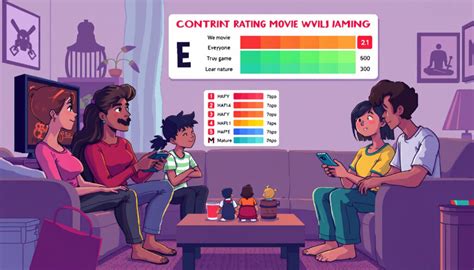
Most games come with clear rating systems. In North America, the Entertainment Software Rating Board (ESRB) provides age and content ratings (e.g., E for Everyone, T for Teen, M for Mature) and content descriptors (e.g., Violence, Language, Sexual Themes). In Europe, the Pan European Game Information (PEGI) system serves a similar purpose. Familiarize yourself with these systems and use them as your primary guide.

Research Beyond the Ratings
While ratings are a good starting point, they don’t tell the whole story. Dive deeper by reading reviews from reputable parenting sites (like Common Sense Media), watching gameplay videos on platforms like YouTube, and even trying games yourself. Pay attention to not just violence or language, but also themes, complexity, and potential for in-app purchases or excessive advertising.
Talk to other parents and educators who might have insights into popular games. Their experiences can provide valuable context that ratings alone cannot offer.

Play Together and Observe
The best way to know if a game is right for your child is to engage with it yourself. Play alongside them, or at least observe their gameplay. This direct involvement allows you to see how they react to the content, understand the game’s mechanics, and discuss any questions or concerns that arise in real-time. It also provides an excellent opportunity for bonding.
Effective Screen Time Management Strategies
Once you’ve chosen appropriate games, the next challenge is managing the amount of time your child spends playing them. Screen time management isn’t about elimination, but about balance and mindful use.
Set Clear and Consistent Limits
Establish specific daily or weekly screen time limits and communicate them clearly to your child. Consistency is key here. Whether it’s 30 minutes on weekdays and an hour on weekends, or a total weekly allowance, stick to the rules you set. Use timers or parental control features on devices to help enforce these limits objectively.

Implement Screen-Free Zones and Times
Designate certain areas or times in your home as screen-free. Examples include the dining table during meals, bedrooms after bedtime, or specific hours before school or during family activities. This promotes face-to-face interaction, better sleep, and encourages participation in other aspects of family life.
Encourage Alternative Activities
Ensure that screen time doesn’t replace essential activities. Promote a rich variety of experiences: outdoor play, reading books, creative arts, board games, homework, and social interaction. Children are more likely to reduce screen time if they have engaging alternatives readily available and encouraged by parents.

Utilize Parental Control Tools
Many devices, operating systems, and game consoles offer robust parental control features. These allow you to set time limits, restrict access to certain content or features, manage purchases, and monitor activity. Learn how to use these tools effectively to support your rules.
Foster Open Communication and Flexibility
Digital parenting is an ongoing journey that requires adaptability as your child grows and technology evolves.
Discuss the ‘Why’ Behind the Rules
Instead of just imposing rules, explain to your children why these limits and choices are important. Discuss the benefits of balanced living, the importance of sleep, and the potential downsides of excessive screen use. Involving them in the conversation makes them more likely to understand and adhere to the guidelines.

Be a Role Model
Children learn by observing. Be mindful of your own screen habits. If you’re constantly glued to your phone or watching TV, it sends a mixed message. Demonstrate healthy screen use, engage in non-screen activities, and put your devices away during family time.
Be Flexible and Adaptable
As children grow, their needs and interests change. What works for a 7-year-old might not work for a 14-year-old. Be prepared to revisit and adjust your rules and choices over time. Open communication ensures that these adjustments are understood and accepted by everyone.
Choosing age-appropriate games and managing screen time are fundamental aspects of modern parenting. By combining informed choices, clear boundaries, and consistent communication, you can help your children develop a healthy, balanced relationship with technology, allowing them to enjoy its benefits while safeguarding their well-being.