




How can I set healthy screen time limits for kids’ gaming without constant battles?

Understanding the Screen Time Struggle
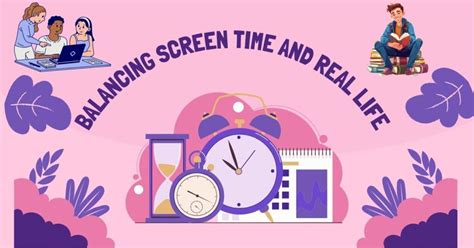
For many parents, the phrase “screen time” can feel like a trigger for an impending battle. Kids’ gaming, in particular, often leads to intense negotiations, power struggles, and frustration. While the digital world offers engaging experiences, finding a balance that supports healthy development without constant conflict is crucial. The good news is, it’s entirely possible to set effective limits that your kids not only understand but also respect, transforming confrontation into cooperation.

The Collaborative Approach: Involve Your Kids
One of the most powerful strategies to avoid battles is to involve your children in the limit-setting process. Instead of imposing rules, sit down with them for an open discussion. Ask them about their gaming habits, what they enjoy, and what they think would be a fair amount of time. This isn’t about letting them dictate the rules, but about giving them a voice and fostering a sense of ownership over the eventual agreement. When kids feel heard and have a hand in creating the rules, they are far more likely to adhere to them.
Discuss the ‘why’ behind the limits – explaining the importance of sleep, physical activity, schoolwork, and family time. Frame it as a family decision aimed at everyone’s well-being, rather than a punishment. This builds a foundation of trust and mutual understanding.
Setting Clear, Consistent Boundaries
Once you’ve had an open discussion, it’s time to establish clear, concise, and consistent boundaries. Vague rules like “not too much gaming” are ineffective. Instead, define specific limits: for example, “30 minutes of gaming after homework and chores are done on weekdays, and 1 hour each on Saturday and Sunday.”
Consistency is paramount. If you enforce the rules one day and relax them the next, kids quickly learn they can push boundaries. Ensure both parents (if applicable) are on the same page and present a united front. Predictability provides security and helps children internalize the expectations.

Utilizing Tools and Strategies for Enforcement
Beyond verbal agreements, several tools and strategies can help enforce screen time limits without you having to be the constant enforcer:
- Timers: A simple kitchen timer or a visual timer can be incredibly effective. When the timer goes off, gaming stops. This external cue depersonalizes the end of the session.
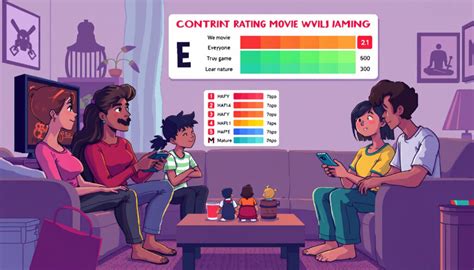
- Parental Control Apps/Features: Many gaming consoles, devices, and internet routers offer built-in parental controls that allow you to set time limits, schedules, and even content restrictions automatically. Leverage these tools to manage access without constant supervision.
- Gaming Currency/Tokens: Some families create a system where kids earn “gaming tokens” (physical or virtual) for completing chores, homework, or exhibiting good behavior. These tokens can then be exchanged for screen time. This teaches valuable lessons about earning privileges.

Encourage Offline Alternatives and Be a Role Model
Reducing gaming time should go hand-in-hand with offering appealing alternatives. Help your children discover other passions and activities. Encourage outdoor play, reading, creative arts, board games, or joining clubs and sports. When there are exciting non-screen options, the pull of gaming diminishes.

Finally, remember that you are your child’s primary role model. Reflect on your own screen habits. Are you constantly on your phone or watching TV? Demonstrating balanced screen use yourself reinforces the message you’re trying to convey to your children. Engage in family activities that don’t involve screens, fostering connection and shared experiences.
Conclusion: Patience and Persistence
Setting healthy screen time limits for gaming is an ongoing process that requires patience, consistency, and a willingness to adapt. There will inevitably be moments of pushback, but by involving your children in the discussion, setting clear boundaries, utilizing helpful tools, and offering engaging alternatives, you can foster a healthier digital environment and avoid the constant battles. Focus on building good habits and open communication, and you’ll be well on your way to a more peaceful coexistence with screens in your home.