




Effective strategies for setting game screen time boundaries?

Navigating the Digital Playground: Setting Smart Game Time Boundaries
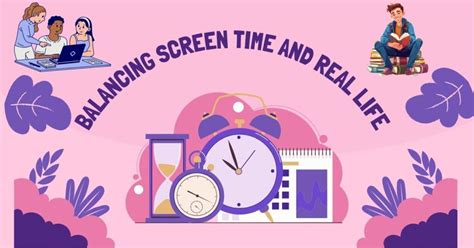
In today’s digital age, video games are an undeniable part of many children’s lives. While they offer entertainment, social connection, and even educational benefits, managing game screen time can be a significant challenge for parents. Striking the right balance is crucial for a child’s overall well-being, including their physical health, academic performance, and social development. This article explores effective strategies for setting and maintaining healthy game screen time boundaries.
Understanding the Importance of Boundaries
Before implementing rules, it’s vital for both parents and children to understand why boundaries are necessary. Excessive game screen time can lead to a range of issues, from sleep disturbances and eye strain to decreased physical activity, impact on academic performance, and potential behavioral problems. Healthy limits, conversely, promote better sleep, encourage outdoor play, foster face-to-face social interactions, and allow time for homework and hobbies. It’s not about prohibiting games entirely, but about integrating them responsibly into a balanced life.

Open Communication is Your Best Tool
The most effective screen time strategies begin with dialogue. Involving your children in the process makes them more likely to understand and adhere to the rules.
Involve Your Children in the Discussion
Instead of imposing rules unilaterally, sit down with your children and discuss screen time expectations. Ask them about their favorite games, why they enjoy them, and how much time they feel is reasonable. This collaborative approach empowers them and fosters a sense of ownership over the rules.
Explain the ‘Why’
Children are more likely to comply when they understand the rationale behind the rules. Explain that boundaries are set out of love and concern for their health, sleep, and overall development. Talk about the importance of exercise, face-to-face friendships, and doing well in school.
Practical Strategies for Setting Limits
Once you’ve had the conversation, it’s time to put concrete strategies into place.
Define Clear, Consistent Rules
Establish specific rules regarding when, where, and for how long games can be played. Examples include:
- Daily/Weekly Limits: A set number of minutes or hours per day or week.
- Time-Based Restrictions: No gaming before homework is done, or no gaming an hour before bedtime.
- Location Rules: Games only in common family areas, not in bedrooms.
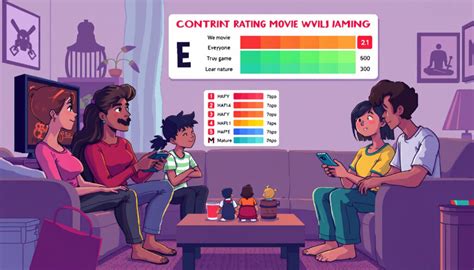
- Content Rules: Agree on age-appropriate games and review their content regularly.
Consistency is key. Once rules are set, stick to them. Inconsistencies can lead to frustration and make enforcement more difficult.

Utilize Technology and Tools
Many devices and platforms offer built-in parental controls that can help enforce boundaries:
- Console and PC Settings: Most gaming consoles (PlayStation, Xbox, Nintendo Switch) and operating systems (Windows, macOS) have settings to limit play time, restrict content, and even schedule downtime.
- Router Controls: Some home Wi-Fi routers allow parents to schedule internet access for specific devices.
- Third-Party Apps: Various apps can monitor and limit screen time across multiple devices.
Create a Screen-Free Zone or Time
Designate certain times or areas as entirely screen-free. Meal times are an excellent opportunity for family conversation without digital distractions. Bedrooms can also be designated as screen-free zones to promote better sleep and other activities.

Encouraging a Balanced Lifestyle
Setting limits is just one part of the equation; actively promoting alternative activities is equally important.
Offer Engaging Alternatives
Help your children discover other passions. Encourage outdoor play, sports, reading, creative arts, board games, or learning a musical instrument. Make these activities appealing and accessible. Sometimes, parents need to initiate and participate in these activities to spark interest.
Model Healthy Screen Habits
Children learn by example. Reflect on your own screen habits. Are you constantly checking your phone? Do you spend hours gaming or watching TV? Modeling responsible screen use, such as putting away your phone during family time or engaging in non-screen activities, sends a powerful message.

Consistency, Flexibility, and Review
Parenting is an evolving process, and screen time boundaries are no exception.
Be Consistent and Follow Through
Enforce the rules calmly and consistently. If there are consequences for breaking rules, ensure they are reasonable and applied fairly. Avoid giving in to nagging or tantrums, as this undermines the boundaries you’ve established.
Review and Adjust as Needed
As children grow, their needs, interests, and responsibilities change. What works for a 7-year-old might not be appropriate for a 13-year-old. Periodically review your screen time rules as a family, discussing what’s working and what isn’t, and be prepared to make adjustments.

Conclusion: Fostering a Healthy Relationship with Technology
Setting game screen time boundaries is not about eliminating fun, but about teaching children valuable self-regulation skills and ensuring they lead well-rounded lives. By fostering open communication, implementing clear and consistent rules, offering engaging alternatives, and modeling healthy habits, parents can guide their children toward a balanced and positive relationship with technology. This approach not only manages screen time but also strengthens family bonds and supports a child’s holistic development.