




What are practical tips for managing kids’ gaming screen time effectively?

Navigating the Digital Playground: A Parent’s Guide
In today’s digital age, video games are an undeniable part of childhood. While they offer entertainment, social connections, and even cognitive benefits, managing screen time effectively remains a top concern for parents. Striking a healthy balance between gaming and other essential activities is key to fostering well-rounded development. This guide provides practical, actionable tips to help you navigate this common parenting challenge.

Setting Clear Boundaries and Expectations
Consistency and clarity are paramount when it comes to screen time rules. Ambiguity often leads to frustration for both parents and children.
Establish Family Screen Time Rules
- Time Limits: Decide on daily or weekly limits. This could be a fixed number of hours or specific time slots (e.g., “no gaming after dinner”). Use timers to help kids track their remaining time.
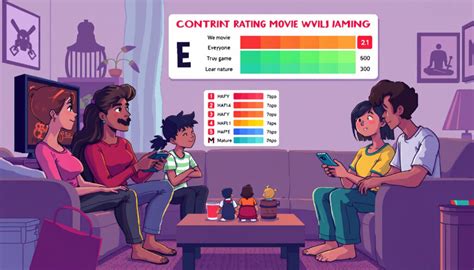
- Content Appropriateness: Ensure games are age-appropriate using ratings like ESRB. Discuss why certain games are off-limits.
- Screen-Free Zones/Times: Designate areas (e.g., dining table, bedrooms at night) and times (e.g., during meals, an hour before bedtime) as screen-free.
- Consequences & Rewards: Clearly outline what happens when rules are broken (e.g., reduced screen time the next day) and how good behavior can be rewarded (e.g., bonus time for chores).
Encouraging a Balanced Lifestyle
Gaming shouldn’t be the only activity your child engages in. Promoting a diverse range of interests is vital.
Offer Engaging Alternatives
- Outdoor Play: Schedule regular outdoor time for sports, cycling, or just playing in the park. Make it appealing and accessible.
- Creative Hobbies: Encourage drawing, reading, building, music, or crafting. Provide materials and opportunities.
- Family Time: Plan board game nights, family walks, or cooking together. These activities build connections and offer screen-free fun.
- Chores and Responsibilities: Integrate household tasks into their routine, teaching responsibility and providing productive activities.

Communication, Collaboration, and Leading by Example
Effective screen time management is a family effort, built on open dialogue and parental modeling.
Talk About It, Don’t Just Dictate
- Involve Kids in Rule-Making: When appropriate, involve older children in setting rules. They’re more likely to follow rules they helped create.
- Understand Their Perspective: Ask them what they enjoy about gaming. Show interest in their games (within reason). Understanding can lead to more effective strategies.
- Discuss the “Why”: Explain the benefits of balanced screen time for their sleep, school, and overall well-being.
Be a Role Model
Children learn by observing. If you’re constantly on your phone or tablet, it sends a mixed message. Practice what you preach by limiting your own recreational screen time, especially during family activities.

Leveraging Tools and Technology
Modern devices and platforms often come with built-in features to help parents manage screen time.
Utilize Parental Controls
- Device Settings: Most smartphones, tablets, and gaming consoles (PlayStation, Xbox, Nintendo Switch) have robust parental control features to set time limits, restrict content, and manage purchases.
- App Blocker/Monitoring Tools: Consider third-party apps designed to monitor and limit screen usage across multiple devices.
- Wi-Fi Schedules: Some home routers allow you to schedule internet access, effectively creating “internet curfews.”

Flexibility and Re-evaluation
Screen time management isn’t a one-time setup; it’s an ongoing process.
Review and Adjust
As children grow and their needs change, so should your approach to screen time. What works for a 7-year-old might not work for a 13-year-old. Be prepared to revisit rules and make adjustments based on their maturity, academic performance, and social life.
Prioritize Well-being Over Strict Rules
While rules are important, remember the ultimate goal: your child’s overall well-being. If a child is consistently struggling, it might be a sign to adjust the rules or seek professional advice.

Conclusion
Managing kids’ gaming screen time effectively is a balancing act that requires patience, consistency, and open communication. By setting clear boundaries, offering engaging alternatives, leading by example, and utilizing available tools, parents can guide their children towards a healthy, balanced relationship with technology. Remember, the goal isn’t to eliminate screens, but to integrate them mindfully into a rich and varied childhood.