




How to smoothly end gaming sessions without meltdowns?

Gaming can be an incredibly engaging activity for children, offering entertainment and often a sense of accomplishment. However, transitioning from a deeply immersive digital world back to reality can often lead to resistance, frustration, and even full-blown meltdowns. For many parents, the phrase “Just five more minutes!” is a familiar precursor to a power struggle. But it doesn’t have to be this way. With a combination of proactive planning, consistent communication, and empathy, you can help your child navigate the end of their gaming sessions more smoothly, fostering cooperation and preserving peace in your home.
Understanding the Challenge
For children, gaming isn’t just a casual pastime; it’s often a highly engaging experience where they feel in control, achieve goals, and connect with friends. When they are asked to stop, they’re not just putting down a controller; they’re being pulled out of a ‘flow state’—a deeply immersive and enjoyable mental state. This abrupt shift can be jarring, leading to feelings of frustration, loss of control, and even a sense of injustice. Understanding this perspective is the first step towards finding effective solutions.
Proactive Strategies for Prevention
The key to smooth transitions often lies in preparation and setting clear expectations long before the game even begins.
- Establish Clear Rules and Schedules: Work with your child to define clear boundaries around gaming time. This includes how long they can play, what times are acceptable, and what happens when time is up. Display these rules visually (e.g., on a whiteboard or chart) in a common area.
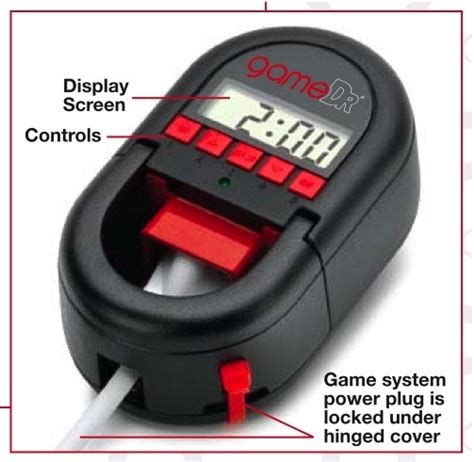
- Use Visual Timers: Digital or analog timers can be powerful tools. Let your child be responsible for starting the timer. This externalizes the ‘bad guy’ (the timer, not you) and gives them a sense of control over their time.
- Agree on Transition Activities: Before starting a session, briefly discuss what they will do after gaming. Having a planned, appealing activity (e.g., building LEGOs, reading a book, going to the park, a snack) can make the transition less daunting and more inviting.

During the Session: Gentle Reminders
While they are playing, subtle interventions can set the stage for a smoother ending.
- Offer Mid-Session Check-ins: About halfway through their allocated time, gently remind them how much time is left. “You have about 15 minutes left, sweetheart. What’s your plan for winding down?” This helps them mentally prepare and prioritize their in-game tasks.
- Avoid Abrupt Interruptions: Never demand they stop mid-game during a critical moment (e.g., a boss fight or a multiplayer match). This is a guaranteed path to a meltdown. If possible, observe their game or ask about their progress so you can anticipate natural stopping points.
The “Five-Minute Warning” and Beyond
This crucial step needs to be handled consistently and clearly.
- The Specific Warning: Approximately five minutes before the end, give a clear verbal warning. “You have five minutes left on your gaming time. Start looking for a good stopping point.” Some children benefit from a “ten-minute warning” followed by a “five-minute warning.”
- Guidance for Winding Down: Encourage them to find a ‘save point,’ finish a level, or complete a quest. This gives them agency and a sense of completion rather than abrupt termination. If they’re in a multiplayer game, discuss with them how they can politely exit their team or inform their friends.
- The Final Countdown: As time runs out, give a final “One minute left!” or “Time’s up!” reminder.
Post-Gaming: Reinforcement and Transition
The moments immediately after gaming are vital for solidifying good habits.
- Acknowledge Their Feelings: If they express frustration, validate it. “I know it’s hard to stop when you’re having fun.” This shows empathy without condoning bad behavior.
- Praise Cooperation: Positively reinforce their efforts. “I really appreciate how you stopped when the timer went off. That shows great self-control!”
- Move to the Next Activity: Gently guide them towards the pre-discussed transition activity. Sometimes a physical change of scenery can help. “Okay, gaming is done. Let’s go outside for a bit.”

Dealing with Resistance and Meltdowns
Despite best efforts, some children will still resist.
- Stay Calm and Consistent: Your reaction is key. Remain calm and firm, reiterating the rules. “Our agreement was X minutes, and time is up. We can try again tomorrow.” Do not engage in arguments or power struggles.
- Validate, then Redirect: “I understand you’re upset, and it’s okay to feel that way. However, gaming time is over.” Then, redirect to the next activity.
- Natural Consequences (Age-Appropriate): If rules are consistently broken, consider a natural consequence, such as reduced gaming time the next day. This should be communicated calmly and applied consistently, not as a punishment but as a logical outcome of their choices.
![Happy happy happy (Lyrics) [TikTok Song] - YouTube](/images/aHR0cHM6Ly90czMubW0uYmluZy5uZXQvdGg/aWQ9T0lQLmV3cmd5cU9pQ1Ztd1V0Sm1OSnJ3V2dBQUFBJnBpZD0xNS4x.webp)
Ending gaming sessions gracefully requires patience, consistency, and a clear understanding of your child’s perspective. By implementing proactive strategies, clear communication, and empathetic guidance, parents can transform potential meltdowns into manageable transitions, teaching valuable lessons about self-regulation and time management along the way. Remember, every child is different, so be prepared to adapt these strategies to find what works best for your family.