



How to choose educational games for my young child?
Making Smart Choices for Digital Play
In today’s digital age, educational games offer a fantastic opportunity to blend learning with play for young children. However, with countless options available, navigating the choices can feel overwhelming. As parents, our goal is to ensure screen time is not just entertaining, but genuinely beneficial for our child’s development. This guide will help you make informed decisions, selecting games that truly support their growth and learning.
Understanding Your Child’s Needs
The first step in choosing the right educational game is to consider your child’s unique developmental stage and interests.
Age-Appropriateness is Key
Games should align with your child’s cognitive and motor skills. A game that is too complex can lead to frustration, while one too simple can quickly bore them. Always look for age recommendations provided by developers, but also observe your child’s individual developmental pace. For toddlers, focus on basic concepts like colors, shapes, and cause-and-effect. Preschoolers can tackle early literacy, numeracy, and more complex problem-solving tasks.

Educational Value and Learning Objectives
Beyond simply keeping them busy, a good educational game should have clear learning goals.
Focus on Active Learning
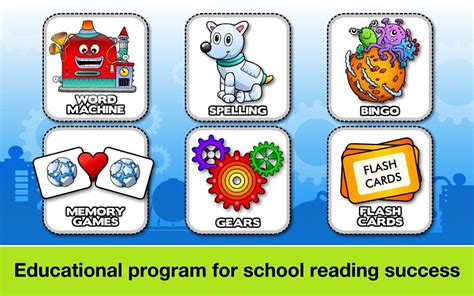
Prioritize games that encourage interaction, critical thinking, and creativity rather than just passive consumption. Look for activities that require children to drag, drop, match, build, or solve puzzles. These active engagements are far more effective for learning than watching animated animated content. Consider if the game teaches specific skills like letter recognition, counting, spatial reasoning, or even social-emotional skills through narrative play.

Engagement, Fun, and Safety Considerations
For a game to be effective, it must first be engaging. If a game isn’t fun, a child won’t play it, regardless of its educational merit.
The Fun Factor and Repetitive Play
Look for games with engaging graphics, intuitive interfaces, and positive reinforcement that motivate your child to continue learning. Young children often benefit greatly from repetition, so games that offer variations on core learning concepts can be highly effective. The enjoyment factor ensures sustained interest and deeper engagement with the learning material.
Safety and Privacy First
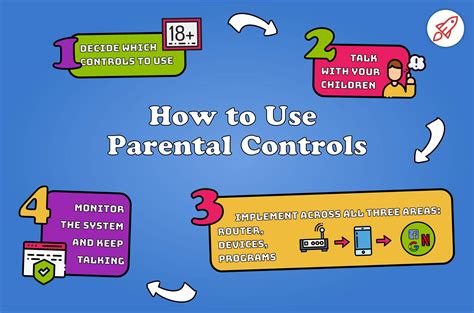
Always check for in-app purchases, excessive ads, or data collection policies. Opt for ad-free versions or apps designed specifically for children to ensure a safe digital environment. Implement parental controls on devices to prevent accidental purchases or access to inappropriate content.
Managing Screen Time and Fostering Balance
Even the best educational games should be part of a balanced daily routine, not the sole source of learning or entertainment.
Quality Over Quantity
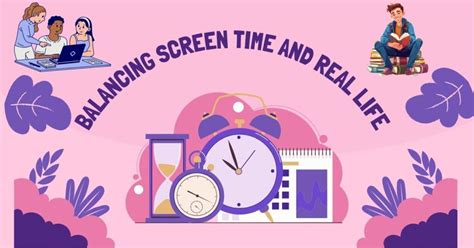
A short, focused session with a high-quality educational game is significantly more beneficial than prolonged, undirected screen time. Adhere to recommended screen time limits for young children, typically advising minimal or no screen time for those under 18 months, and limited, high-quality programming for 2-5 year olds.
Balance with Other Activities
Educational games should complement, not replace, other crucial forms of learning and play. Encourage physical activity, creative play with toys, reading books together, and social interaction with peers. A diverse range of experiences is essential for holistic child development.
Parental Involvement and Review
Your involvement is key to maximizing the benefits of any educational game.
Play Together and Discuss
Engage with your child during game time. Ask questions about what they are seeing and doing, discuss what they are learning, and help them navigate challenges. This interaction enhances the learning experience, models critical thinking, and strengthens your bond. It also allows you to gauge the game’s true effectiveness.
Research and Trial and Error
Before downloading, check app store reviews, educational technology blogs, or recommendations from trusted parenting resources. What works wonders for one child might not resonate with another. Be prepared to try different games and observe your child’s reaction and learning outcomes. Don’t be afraid to uninstall games that aren’t a good fit or have lost their appeal.

Conclusion
Choosing the right educational games for your young child requires thoughtful consideration of their developmental stage, the game’s clear learning objectives, and overall safety and engagement. By prioritizing quality over quantity, actively engaging with your child, and balancing screen time with other enriching activities, you can transform digital play into a powerful tool for early learning and development. This approach sets them up for a lifelong love of discovery, both on and off the screen.