




How to set healthy screen time limits for kids on game consoles?

Navigating the Digital Playground: Why Limits Matter
In today’s digital age, game consoles are a common fixture in many homes, offering entertainment and social connection. However, managing children’s screen time on these devices is a growing concern for parents. Establishing healthy screen time limits isn’t about outright banning games, but about fostering a balanced approach that supports your child’s physical, mental, and social development.
Excessive screen time has been linked to various issues, including sleep disturbances, reduced physical activity, impact on academic performance, and even behavioral challenges. By setting thoughtful limits, parents can help their children enjoy the benefits of gaming without falling prey to its potential downsides.

Leveraging Console-Specific Parental Controls
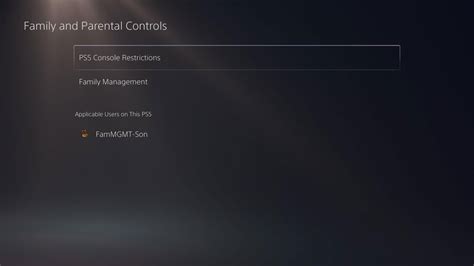
Most modern game consoles (PlayStation, Xbox, Nintendo Switch, PC gaming platforms) come equipped with robust parental control features. These tools are your first line of defense and can be incredibly effective in managing when and for how long your child can play.
Take the time to explore and set up these features. They often allow you to:
- Set daily or weekly play time limits.
- Schedule specific playtimes (e.g., only after homework is done).
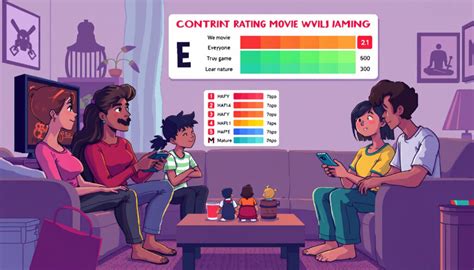
- Restrict access to certain games based on age ratings.
- Control in-game purchases and communication features.
Familiarize yourself with your specific console’s settings menus. Many manufacturers provide detailed online guides or apps that make this process straightforward.
Crafting a Family Screen Time Plan Together
While technical controls are helpful, the most effective limits come from a clear, communicated family plan. Involve your children in this discussion, especially older ones. When kids feel they’ve had a say, they’re more likely to adhere to the rules.
Consider the following when developing your plan:
- Define the ‘Why’: Explain the reasons behind the limits – for better sleep, more outdoor play, improved focus, etc.
- Set Clear Boundaries: Decide on specific time limits (e.g., 60 minutes on weekdays, 90 minutes on weekends). Be precise about when screen time can occur (e.g., only after chores and homework are completed).
- Implement Breaks: Encourage breaks every 30-60 minutes to stretch, rehydrate, and rest eyes.
- Establish Consequences: Clearly outline what happens if rules are broken (e.g., loss of screen time privileges, temporary console ban).
- Prioritize Other Activities: Emphasize that gaming is one of many activities. Encourage reading, outdoor play, creative arts, and family time.
Consistency, Communication, and Flexibility
Once limits are set, consistency is key. Sticking to the rules, even when met with resistance, teaches children the importance of boundaries. Regularly communicate with your children about their gaming habits. Ask them what they enjoy about games, what challenges they face, and how they feel after playing. This open dialogue helps you understand their perspective and allows for adjustments as needed.
Life happens, and sometimes flexibility is required. There might be special occasions or long car trips where extended screen time is acceptable. When you deviate from the rules, explain why it’s an exception, not a new norm. This reinforces trust and understanding.

Leading by Example and Ongoing Review
Children learn by observing. Your own screen habits play a significant role in shaping theirs. Be mindful of your phone and console usage, especially when interacting with your children. Demonstrate a balanced approach to technology yourself.
Finally, screen time needs evolve as children grow. What works for a 7-year-old might not be appropriate for a 12-year-old. Regularly review and adjust your family’s screen time plan. What are their new interests? Are the current limits still serving their well-being? By staying engaged and adaptable, you can ensure that game consoles remain a source of fun and learning, rather than a point of conflict.