


How to set healthy screen time limits for kids’ video games?
Navigating the Digital Playground: Why Limits Matter
In today’s digitally saturated world, video games are an undeniable part of many children’s lives. While they offer entertainment, problem-solving opportunities, and social interaction, unregulated screen time can lead to a host of issues, including sleep disturbances, academic struggles, reduced physical activity, and behavioral problems. Setting healthy screen time limits is not about depriving children of fun, but about fostering a balanced lifestyle that prioritizes their physical, mental, and emotional development.
Parents often grapple with how much screen time is too much and how to effectively enforce limits without constant conflict. The key lies in a thoughtful, consistent approach that involves the child, adapts to their age, and balances digital engagement with real-world experiences.

Understanding Age-Appropriate Guidelines
There’s no one-size-fits-all answer to screen time, as recommendations vary by age and individual child. However, general guidelines can serve as a helpful starting point:
- Toddlers (18-24 months): Limited to no screen time, except for video chatting with family.
- Preschoolers (2-5 years): Up to 1 hour per day of high-quality educational programming, co-viewed with a parent.
- School-Aged Children (6-12 years): Generally 1.5 to 2 hours per day, though this can be flexible based on homework, physical activity, and other responsibilities. Focus on quality content and balanced activities.
- Teens (13+ years): More flexible, but still emphasize balance. Encourage self-regulation and prioritize sleep, school, and social activities over gaming.
It’s crucial to distinguish between active screen time (like educational games or creative apps) and passive screen time (like endless scrolling or watching videos without engagement).
Practical Strategies for Setting and Enforcing Limits
1. Create a Family Media Plan
Involve your children in creating a family media plan. Discuss the ‘why’ behind the limits – how too much screen time affects sleep, mood, and school. Together, decide on specific times, durations, and even game types. This collaborative approach fosters a sense of ownership and makes children more likely to adhere to the rules.
2. Establish Clear Rules and Consequences
- Specific Time Slots: Instead of vague limits, designate specific times for gaming (e.g., 4:00 PM – 5:00 PM after homework).
- Use Timers: Physical timers or in-game parental controls can help children visualize their remaining time.
- No-Screen Zones/Times: Implement rules like ‘no screens during meals,’ ‘no screens in bedrooms,’ or ‘no screens an hour before bedtime.’
- Consistent Consequences: Clearly define what happens if rules are broken (e.g., reduced screen time the next day, loss of privileges). Follow through calmly and consistently.
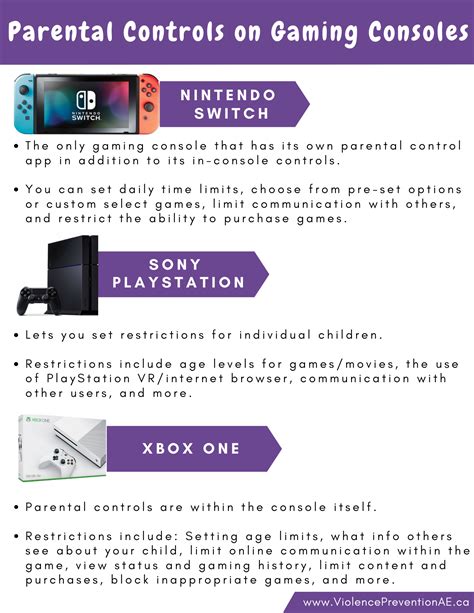
3. Leverage Parental Control Tools
Many gaming consoles, computers, and mobile devices offer built-in parental controls. These tools can help you:
- Set daily time limits.
- Schedule specific play times.
- Restrict access to certain games based on ratings.
- Monitor activity.
Familiarize yourself with these tools and use them to support your family’s media plan, rather than relying on them as the sole solution.

Beyond the Clock: Encouraging a Balanced Lifestyle
Limiting screen time is only one piece of the puzzle. It’s equally important to fill that time with enriching alternatives.
- Promote Physical Activity: Encourage outdoor play, sports, biking, or simply a walk in the park.
- Encourage Hobbies and Interests: Support interests like reading, art, music, building, or board games.
- Prioritize Family Time: Schedule activities together, such as cooking, family game nights, or outings.
- Lead by Example: Children are excellent imitators. Model healthy screen habits yourself by putting down your phone during family time and engaging in non-screen activities.

Flexibility and Open Communication
While consistency is key, there’s also room for flexibility. Special occasions, travel, or a sick day might warrant a temporary adjustment to screen time rules. The most important thing is open communication. Talk to your children about why adjustments are being made and when routines will return to normal. As children grow, their needs and interests change, so revisit your family media plan periodically and adapt it as needed.
Setting healthy screen time limits for video games is an ongoing process that requires patience, consistency, and a deep understanding of your child’s needs. By creating a balanced environment, you’re not just limiting screen time; you’re nurturing a child who knows how to thrive both in the digital world and beyond.