




Parents Corner: Best tips for toddler tantrums?

Toddlerhood is a delightful yet challenging stage, often marked by those infamous emotional explosions known as tantrums. While completely normal, these outbursts can leave even the most patient parents feeling overwhelmed and helpless. Understanding why tantrums happen and equipping yourself with effective strategies can make a world of difference in navigating these turbulent times.
Understanding the Whys of Toddler Tantrums
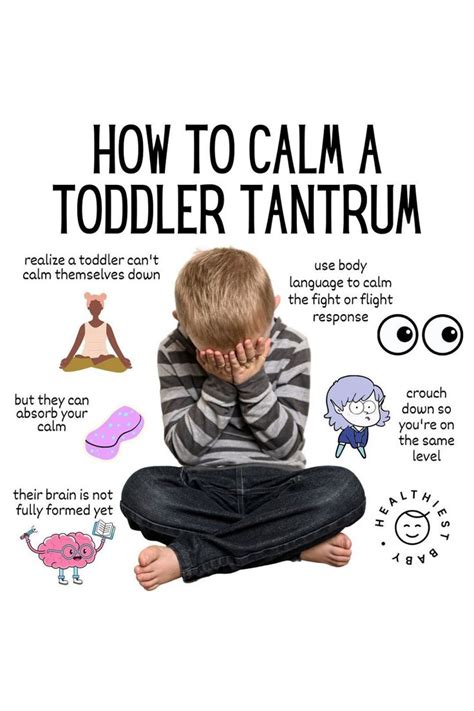
Toddlers are little people with big feelings and limited communication skills. Tantrums are often their way of expressing frustration, anger, or sadness when they can’t articulate their needs, desires, or discomfort. Common triggers include hunger, fatigue, overstimulation, a desire for independence, or simply not getting their way. It’s a crucial developmental stage where they’re learning about boundaries, emotions, and self-control.
Proactive Strategies: Preventing Tantrums Before They Start
While you can’t eliminate all tantrums, many can be prevented or lessened with a few smart strategies:
- Maintain Routines: Predictable schedules for meals, naps, and activities help toddlers feel secure and reduce anxiety.
- Ensure Basic Needs Are Met: A hungry, tired, or overstimulated toddler is a tantrum waiting to happen. Keep snacks handy, stick to nap times, and avoid overly stimulating environments when possible.
- Offer Choices: Give your toddler a sense of control by offering limited, acceptable choices (e.g., “Do you want the red cup or the blue cup?”). This fosters independence without chaos.
- Prepare for Transitions: Give warnings before switching activities (e.g., “Five more minutes until we clean up”).
- Communicate and Connect: Spend quality time with your toddler, engaging in play and conversation. A full “connection cup” can reduce the need for negative attention.

During the Storm: Responding to a Tantrum
Once a tantrum has begun, the goal shifts from prevention to calm and consistent management. Remember, your toddler isn’t giving you a hard time; they’re having a hard time.
- Stay Calm: Your calm demeanor is contagious. Take a deep breath. Yelling or losing your temper will only escalate the situation.
- Acknowledge Feelings: Validate their emotions, even if you don’t agree with their reason. “I see you’re very angry because you can’t have another cookie. It’s frustrating when you want something and can’t have it.”
- Set Clear Boundaries: While acknowledging feelings, be firm about boundaries. “I understand you’re upset, but we can’t hit.” If a boundary is crossed, gently remove them from the situation or activity.
- Ensure Safety: If your child is throwing objects or hitting, move them to a safe space or remove dangerous items.
- Ignore Minor Tantrums: For tantrums designed purely for attention (e.g., whining or flopping), ignoring the behavior (while remaining present and ensuring safety) can sometimes be effective.
- Offer Comfort (If Accepted): Some toddlers need a hug; others need space. Respect their cues.

After the Tantrum: Reconnecting and Learning
Once the storm has passed, it’s a crucial time for reconnection and teaching.
- Reconnect: Offer a hug, a gentle word, or simply sit together. Reassure them of your love and support.
- Talk About It (Age-Appropriate): When your child is calm, you can briefly discuss what happened. “You were very upset when we left the park. Next time, we can say goodbye to the swings.”
- Problem Solve: Help them identify alternative ways to express their big feelings. “When you’re angry, you can stomp your feet or tell me ‘mad!'”

When to Seek Professional Help
Most toddler tantrums are a normal part of development. However, if tantrums are excessively frequent, intense, destructive, or involve self-harm for extended periods, or if they significantly interfere with your child’s daily life, it might be beneficial to consult with your pediatrician or a child psychologist. They can help rule out underlying issues and provide tailored strategies.

Conclusion
Tantrums are a phase, and with consistency, patience, and love, you can help your toddler navigate their big emotions while teaching them valuable coping skills. Remember that every parent faces these challenges, and you’re doing a great job guiding your little one through this wild and wonderful stage of growth.