




How to handle toddler tantrums calmly & effectively?
Understanding the Whirlwind of Toddler Tantrums
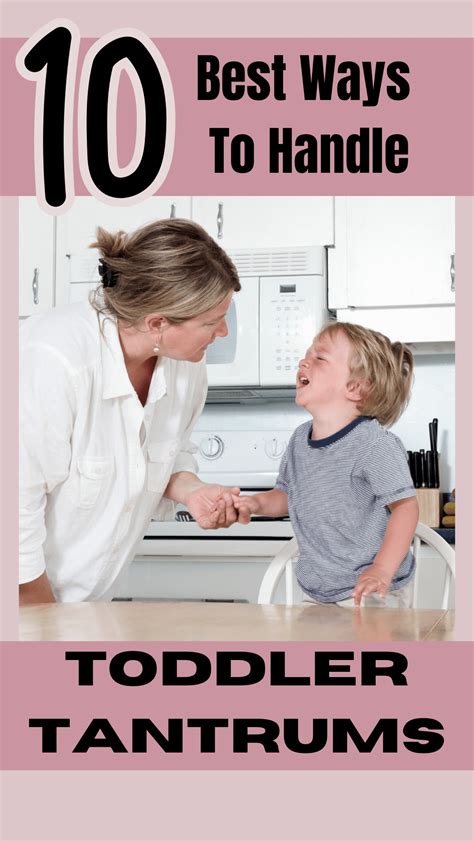
Toddlerhood is a period of immense growth, exploration, and, inevitably, frustration. As little ones develop their independence and language skills, they often lack the tools to express big emotions, leading to what parents commonly know as a tantrum. These outbursts can range from crying and screaming to hitting and throwing, often leaving parents feeling helpless and overwhelmed. Understanding that tantrums are a normal developmental stage – a sign of a child learning to navigate their feelings and the world – is the first step toward handling them effectively.
Tantrums usually stem from a combination of factors: unmet needs (hunger, tiredness), a desire for control, frustration over limited abilities, or simply seeking attention. Recognizing the potential triggers can help you anticipate and sometimes even prevent them.

Strategies for Staying Calm Amidst the Storm
Your reaction is key to de-escalating a tantrum. While it’s natural to feel frustrated or embarrassed, maintaining your own calm is paramount. Children mirror their parents’ emotions, so a calm response from you can help soothe them faster.
1. Take a Deep Breath
When a tantrum erupts, your first instinct might be to react impulsively. Instead, take a few deep breaths. This simple act can help regulate your own nervous system, allowing you to think more clearly.
2. Remind Yourself It’s Not Personal
Your toddler isn’t trying to manipulate or upset you; they are overwhelmed. Detaching emotionally can help you respond with empathy rather than anger.
3. Create a Safe Space
If you feel yourself losing control, ensure your child is in a safe space and take a brief moment (even 10-20 seconds) to compose yourself, perhaps by stepping a foot or two away while remaining visible and accessible.

Effective Techniques During a Tantrum
Once you’re calm, you can implement strategies designed to help your child navigate their emotions and move past the tantrum.
1. Acknowledge and Validate Feelings
Instead of dismissing their feelings, acknowledge them. “I see you’re very angry right now because you can’t have the toy.” This shows empathy and helps them feel understood, even if you can’t give them what they want.
2. Offer Limited Choices or Distraction
Sometimes, a tantrum is about a perceived lack of control. Offer two acceptable choices: “Do you want to wear the blue shirt or the red shirt?” For younger toddlers, distraction can be a powerful tool: point out something interesting or offer a different activity.
3. Set Clear, Firm Boundaries
While validating feelings, it’s crucial to maintain boundaries. If the tantrum is about something non-negotiable (e.g., not touching an electrical outlet), gently but firmly state the boundary. “I know you’re mad, but we don’t touch that.”
4. Physical Comfort or Proximity
Some children respond well to a hug or close physical proximity during a tantrum. For others, it might intensify the outburst. Follow your child’s cues. A comforting presence can often be enough.
5. Ignore Attention-Seeking Tantrums
If you suspect the tantrum is primarily for attention (e.g., in a public place with no real trigger), safely ignore the behavior. Do not engage, make eye contact, or give in. Once the tantrum subsides, offer positive attention immediately.
6. Time-Out (Age-Appropriate)
For older toddlers (around 2.5-3 years and up), a brief, consistent time-out (one minute per year of age) in a designated, boring spot can be effective. Explain why they are there and what they need to do to come out (e.g., calm down). It’s a tool for emotional regulation, not punishment.

Proactive Steps: Preventing Tantrums
The best way to handle tantrums is often to prevent them from happening in the first place.
- Consistent Routines: Predictability provides security and reduces anxiety.
- Ensure Basic Needs Are Met: Hunger and tiredness are prime tantrum triggers. Offer healthy snacks and ensure adequate sleep.
- Offer Choices: Give your child a sense of control over small, appropriate decisions.
- Positive Attention: Proactively “fill their cup” with positive attention and praise when they are behaving well. This reduces their need to seek attention through negative behavior.
- Teach Emotion Words: Help your child develop a vocabulary for their feelings (sad, angry, frustrated).
- Manage Expectations: Don’t put your child in situations that are likely to overwhelm them, and prepare them for transitions.

When to Seek Professional Help
While tantrums are normal, there are times when they might signal a need for professional guidance. Consider consulting your pediatrician or a child psychologist if:
- Tantrums are very frequent (multiple times a day) or prolonged (lasting over 25 minutes).
- Your child regularly harms themselves or others during tantrums.
- They hold their breath until they pass out.
- Tantrums are accompanied by other concerning behaviors, such as significant sleep or eating problems, or regression in development.
- Your ability to cope or your family’s functioning is severely impacted.

Conclusion
Handling toddler tantrums is one of the most challenging aspects of parenting, but with patience, consistency, and a calm approach, you can navigate these stormy phases effectively. By understanding why tantrums happen, staying calm yourself, and employing constructive strategies, you not only manage the immediate outburst but also teach your child valuable lessons in emotional regulation and communication. Remember, you’re not alone, and every tantrum is an opportunity for growth – for both you and your little one.