





What key features help identify quality indie hidden gems among the noise?

In an era brimming with game releases, the digital storefronts often feel like bustling marketplaces where genuine treasures can easily get lost in the din. For enthusiasts of independent gaming, the quest to unearth ‘hidden gems’ – those quality titles that haven’t received mainstream attention – is a rewarding but challenging endeavor. So, how can discerning players cut through the noise and identify the hallmarks of a truly exceptional indie game?
Unique Core Concept & Innovation
One of the most defining characteristics of a quality indie gem is its fresh perspective or innovative gameplay loop. Unlike larger studios that might iterate on established formulas, indie developers often thrive by pushing boundaries, introducing novel mechanics, or reinterpreting familiar genres in surprising ways. Look for games that genuinely try something new, even if it’s a subtle twist on a well-worn path. This originality often speaks volumes about the passion and vision behind the project.
Strong Art Direction & Aesthetic Cohesion
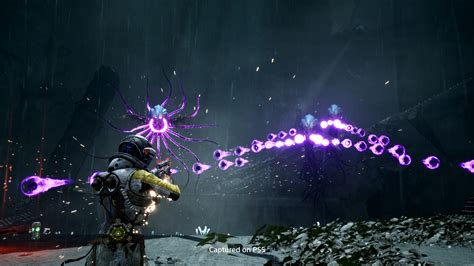
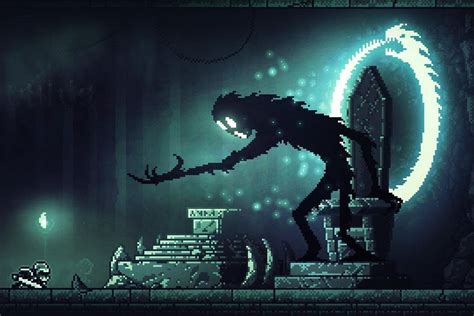
While AAA titles boast hyper-realistic graphics, indie games often excel with distinctive art styles. A quality hidden gem doesn’t necessarily need cutting-edge visuals, but it must possess strong, cohesive art direction. Whether it’s pixel art, hand-drawn animation, or a unique 3D aesthetic, the visual style should complement the game’s themes and mechanics, enhancing the overall experience. The same applies to sound design and music, which often contribute immensely to the atmosphere and player immersion.
Polished Mechanics & User Experience
Even the most innovative concept can fall flat if the execution is clunky. A truly great indie game feels polished. This means intuitive controls, consistent performance, clear user interfaces, and minimal bugs or glitches. While early access titles might have rough edges, a ‘gem’ status typically implies a level of refinement that respects the player’s time and provides a smooth, enjoyable experience from start to finish. Developers who prioritize playability demonstrate a commitment to their craft.

Compelling Narrative or World-Building
For many genres, a captivating story or a richly constructed world is the heart of an indie gem. Even games without explicit narratives often build atmosphere through environmental storytelling, lore, and thematic consistency. These elements draw players deeper into the game’s universe, making the experience more memorable and emotionally resonant. A strong narrative doesn’t have to be epic; it can be intimate, thought-provoking, or even abstract, as long as it engages the player’s imagination.
Passion and Attention to Detail
Perhaps the most intangible yet powerful indicator of a quality indie game is the palpable sense of passion and attention to detail from its creators. This can manifest in small, thoughtful touches: clever environmental interactions, delightful Easter eggs, well-written dialogue, or even robust accessibility options. These elements often stem from a developer’s genuine love for their project and a desire to create something truly special, elevating the game beyond mere entertainment.
Beyond the Game: Developer Engagement & Community
While not strictly a ‘feature’ of the game itself, active developer engagement and a supportive community can be strong indicators of a project’s quality and potential. Developers who listen to feedback, provide regular updates, and foster a positive community around their game often show a dedication that translates into a better final product. Early access phases or smaller, dedicated fan bases can often provide insights into a game’s underlying quality before it breaks out.

Practical Tips for Discovery
Armed with these criteria, how do you actively find these gems? Explore smaller platforms, follow trusted indie game curators and journalists, watch gameplay demos, and don’t shy away from early access titles from reputable developers. Often, the best hidden gems are found by venturing slightly off the beaten path, engaging with smaller communities, and keeping an open mind for experiences that defy conventional expectations.

Conclusion
Identifying quality indie hidden gems requires a discerning eye, an appreciation for innovation, and a keen sense for the dedication poured into a project. By looking beyond marketing hype and focusing on unique concepts, cohesive aesthetics, polished mechanics, engaging narratives, and evident developer passion, players can navigate the vast landscape of indie games and unearth truly unforgettable experiences that enrich the gaming world.