




Setting healthy game limits: How to avoid screen time meltdowns?

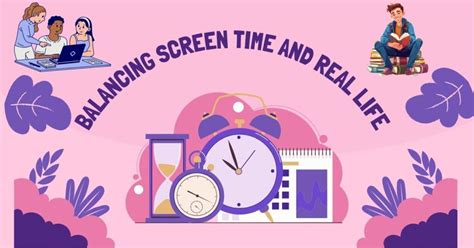
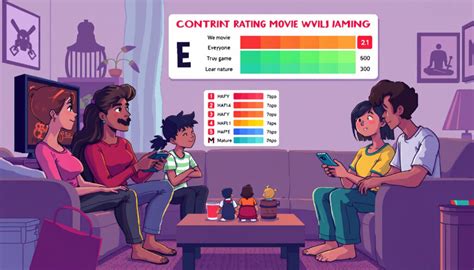
In today’s digital age, video games and screens are an undeniable part of children’s lives. While they offer entertainment and even educational benefits, managing screen time can feel like a constant battle, often culminating in frustrating meltdowns when it’s time to log off. For parents, finding the sweet spot between allowing digital exploration and protecting overall well-being is crucial. This article provides practical strategies to establish healthy gaming limits, turning potential conflicts into opportunities for growth and understanding.
Understanding the Challenge: Why Screen Time Limits Are Essential
The allure of virtual worlds is powerful, making it incredibly difficult for children to disengage. Excessive screen time has been linked to various issues, including sleep disturbances, reduced physical activity, attention problems, and even increased anxiety. Setting clear, consistent limits isn’t about deprivation; it’s about fostering balance, promoting healthy development, and ensuring children engage in a diverse range of activities essential for their physical, emotional, and social well-being.

Strategy 1: Collaborate and Communicate
Involving your child in the process of setting limits can significantly reduce resistance. Instead of dictating rules, open a dialogue. Discuss why limits are important in an age-appropriate way – talk about eye strain, needing time for other activities, or ensuring good sleep. Work together to create a family media plan that outlines when, where, and how long screen time is allowed. When children feel they have a say, they are more likely to adhere to the agreed-upon rules.
Strategy 2: Be Specific and Consistent
Vague rules like “not too much screen time” are ineffective. Instead, establish clear, specific limits: “30 minutes of gaming after homework is done,” or “no screens an hour before bedtime.” Consistency is paramount. Enforce the rules every time, even when it’s challenging. Children thrive on predictability, and consistent boundaries help them internalize the expectations. Consider using visual timers or app-based parental controls to make the limits clear and undisputed.

Strategy 3: Provide Engaging Alternatives
One of the biggest reasons for meltdowns is a lack of appealing alternatives to screen time. Proactively offer engaging, non-screen activities. This could include outdoor play, board games, reading, creative arts, building projects, or helping with age-appropriate chores. The goal isn’t just to take away screens, but to fill that time with enriching experiences that stimulate different parts of their brains and bodies. Keep a “boredom busting” jar filled with ideas ready for when the screens go off.

Strategy 4: The Art of the Transition
The moment of transition from screen to real-world activity is often when meltdowns occur. Prepare your child for the upcoming change. Give warnings: “10 more minutes,” then “5 more minutes.” Avoid sudden cut-offs. Help them save their game or find a natural stopping point. Have a plan for what they’ll do next immediately after screen time ends. For younger children, a specific transition ritual can be helpful, like “Okay, screens off, now let’s build a LEGO tower!”
Strategy 5: Respond to Meltdowns with Empathy and Firmness
Despite your best efforts, meltdowns may still happen. When they do, resist the urge to give in or to engage in a power struggle. Stay calm. Acknowledge their frustration (“I know it’s hard to stop playing that game, it looks really fun”). Validate their feelings, but firmly reiterate the boundary (“The rule is that screen time is over for today”). Help them shift their focus to the next activity. If the meltdown escalates, a brief time-out or a quiet space can help them regulate their emotions before re-engaging.

Leading by Example: Your Own Screen Habits
Children are keen observers. Your own relationship with screens significantly impacts their behavior. Model healthy digital habits. Put your phone away during family meals, engage in non-screen activities, and openly discuss your own screen time choices. When they see you balancing your digital life with other pursuits, they learn valuable lessons about moderation and well-being.

Conclusion: Cultivating a Balanced Digital Life
Setting healthy game limits is an ongoing journey, not a one-time fix. It requires patience, consistency, and a willingness to adapt as your children grow. By collaborating with your children, setting clear expectations, offering appealing alternatives, and managing transitions effectively, you can empower them to develop a healthy relationship with technology. The goal isn’t to eliminate screens, but to integrate them mindfully into a rich, balanced life, minimizing meltdowns and maximizing joy.