

Strategies for fostering digital well-being and safe gaming habits?

In today’s digitally saturated world, navigating screen time and online gaming can feel like a labyrinth for parents. While digital engagement offers numerous benefits, from educational tools to social connection, ensuring our children develop healthy habits is paramount. Fostering digital well-being and safe gaming isn’t about outright prohibition, but rather about equipping children with the skills, understanding, and self-regulation needed to thrive in a connected environment.
Establishing Clear Boundaries and Consistent Routines
One of the most effective strategies is to set clear, age-appropriate limits on screen time and gaming. This isn’t a one-size-fits-all approach; what works for a teenager might be different for a younger child. Develop a family media plan that outlines daily time limits, specific “no-screen” zones (like bedrooms or during meals), and designated screen-free hours before bedtime. Consistency is key; children thrive on predictability, and consistent enforcement of these rules helps them internalize healthy habits.

Fostering Open Communication and Digital Literacy
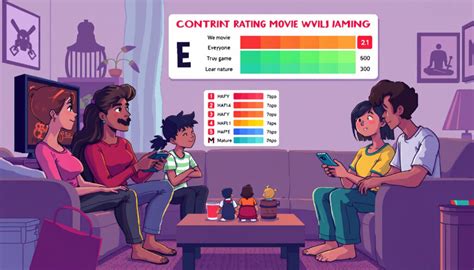
The digital world can be complex, and children often encounter situations they don’t understand. Encourage an open dialogue about their online experiences, asking questions about the games they play, the content they consume, and who they interact with. Teach them about online safety, privacy settings, the risks of sharing personal information, and how to identify and report cyberbullying. Discuss game ratings (ESRB, PEGI) and why certain games might be unsuitable for their age. When children feel comfortable coming to you with concerns, you become their first line of defense.
Leading by Example and Engaging Together
Children are keen observers, and parental digital habits significantly influence their own. Model responsible screen use by limiting your own distractions during family time, putting your phone away during conversations, and prioritizing offline activities. Even better, occasionally join your child in their digital world. Playing a game together or watching a favorite educational video can transform screen time into a bonding experience, allowing you to understand their interests and observe their online interactions firsthand. This shared experience also opens doors for discussions about appropriate behavior and critical thinking.

Leveraging Parental Controls and Privacy Settings
Modern devices, apps, and gaming platforms offer a wealth of parental control features. Learn how to use them effectively. These tools can help manage screen time, filter inappropriate content, restrict in-app purchases, and control who your child can communicate with online. While parental controls are not a substitute for active parenting and communication, they provide an essential layer of protection and help enforce the boundaries you’ve established. Regularly review and adjust these settings as your child grows and their needs change.
Prioritizing a Balanced Lifestyle with Offline Activities
Digital well-being is intrinsically linked to a balanced life. Actively encourage and provide opportunities for your children to engage in a wide range of offline activities. This includes outdoor play, sports, creative hobbies (art, music), reading physical books, and face-to-face social interactions. A rich and varied schedule helps ensure that digital engagement doesn’t overshadow other crucial aspects of development and personal growth. It also helps children discover other passions and reduces their reliance on screens for entertainment and stimulation.

Recognizing and Addressing Warning Signs
It’s important for parents to be vigilant for signs that digital habits might be becoming unhealthy. These could include a significant drop in academic performance, changes in sleep patterns or mood, withdrawal from real-world friends and activities, increased irritability when screen time is interrupted, or an obsession with gaming or online interactions. If you notice these signs, approach the situation with empathy and concern, not anger. Seek professional advice if needed, as these behaviors can sometimes indicate underlying issues.

Fostering digital well-being and safe gaming habits is an ongoing journey that requires adaptability and consistent effort. By combining clear boundaries, open communication, active participation, and a commitment to a balanced lifestyle, parents can guide their children toward a responsible, enriching, and ultimately healthy relationship with the digital world. The goal is not to eliminate screens, but to empower children to use them wisely and to their benefit.