




How can video games boost kids’ learning and problem-solving skills?

Beyond the Joystick: Unlocking Cognitive Potential
For many parents, the phrase “video games” often conjures images of endless screen time and distractions from schoolwork. However, a growing body of research suggests that, when approached thoughtfully, video games can be powerful tools for enhancing children’s learning and problem-solving abilities. Far from being mere entertainment, many games are complex environments that demand strategic thinking, quick decision-making, and persistent effort.
This article delves into how interactive digital play can positively contribute to a child’s intellectual development, equipping them with skills that are increasingly valuable in today’s rapidly evolving world. We’ll explore the various cognitive benefits and provide insights on how parents can leverage this potential.
Sharpening Cognitive Skills: Memory, Attention, and Spatial Reasoning
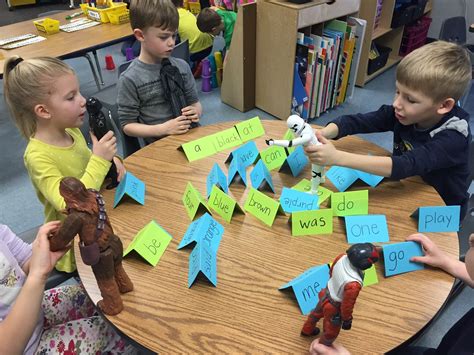
Many video games, particularly those involving puzzles, quests, or strategic planning, are excellent for strengthening a child’s core cognitive functions. Games like Minecraft, for instance, require players to remember crafting recipes, understand resource locations, and plan construction projects, actively engaging their working memory and long-term memory.
Fast-paced action games or real-time strategy games often demand focused attention and the ability to process multiple streams of information simultaneously. Children learn to filter out distractions, prioritize tasks, and react quickly, thereby improving their selective and sustained attention skills. Furthermore, games involving navigation, object manipulation, and environment mapping significantly enhance spatial reasoning – the ability to understand and remember the relationships between objects in space – a skill crucial for subjects like math and science.
Fostering Problem-Solving and Strategic Thinking
At their core, many video games are elaborate problem-solving exercises. Whether it’s figuring out how to defeat a boss, solving an environmental puzzle, managing resources in a city-building simulator, or planning a route to a hidden treasure, children are constantly confronted with challenges that require critical thinking.
They learn to analyze situations, devise hypotheses, test different solutions, and adapt their strategies based on outcomes. This iterative process of trial and error, often accompanied by immediate feedback, is a highly effective way to teach resilience and the importance of perseverance. Games encourage children to think several steps ahead, anticipate consequences, and make calculated risks, all vital components of effective problem-solving in real life.
Promoting Collaboration and Communication
While often perceived as solitary activities, many modern video games are inherently social. Multiplayer online games or cooperative challenges require players to work together, communicate effectively, and coordinate their actions to achieve a common goal. Children learn to delegate tasks, understand different roles, and resolve conflicts peacefully.
These experiences teach invaluable social skills such as teamwork, leadership, negotiation, and empathy. They learn to articulate their ideas clearly and listen to others, fostering a sense of camaraderie and shared accomplishment. This collaborative aspect mirrors real-world team environments, preparing them for future academic and professional settings.
The Role of Parental Guidance and Game Selection
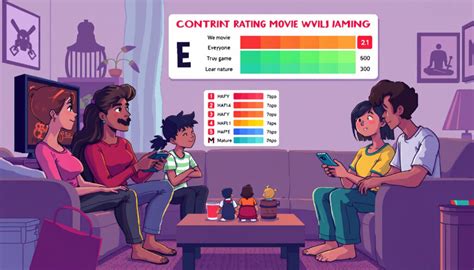
To maximize the educational benefits of video games, parental involvement is key. It’s crucial for parents to actively participate in the game selection process, choosing age-appropriate titles that offer genuine learning opportunities rather than just mindless entertainment. Look for games that are rated appropriately, encourage creativity, strategic thinking, and collaboration.

Setting healthy screen time limits is also paramount to ensure a balanced lifestyle. Engage with your children about the games they play – ask them about their strategies, their progress, and what they’ve learned. Playing alongside them can provide bonding opportunities and allow you to witness their problem-solving processes firsthand, offering a chance to discuss and reinforce the skills they are developing.
Conclusion: A Balanced Approach to Digital Play
Video games, when chosen wisely and played in moderation, offer a rich landscape for children to cultivate essential learning and problem-solving skills. From enhancing cognitive functions like memory and attention to fostering strategic thinking, collaboration, and resilience, the benefits are clear. By embracing a balanced and guided approach, parents can transform what might seem like a mere pastime into a powerful educational tool, preparing their children for success in a world that increasingly values critical thinking and adaptability.