




How to set healthy gaming screen time limits?
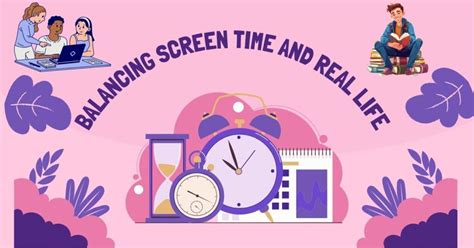
In today’s digital age, video games are an integral part of many children’s lives, offering entertainment, social connection, and even educational benefits. However, finding the right balance between enjoyment and excessive play can be a significant challenge for parents. Setting healthy gaming screen time limits isn’t about outright banning games; it’s about fostering responsible digital habits and ensuring your child’s overall well-being.
Why Setting Limits is Crucial
While gaming has its perks, unchecked screen time can lead to various issues, including sleep disruption, decreased physical activity, academic struggles, and potential social isolation in the real world. Establishing clear boundaries helps children develop self-regulation, prioritize other essential activities, and maintain a healthier lifestyle. It’s about teaching them that there’s a world beyond the screen, full of diverse experiences and opportunities for growth.

Open Communication is Your Best Tool
The most effective way to set screen time limits is not by imposing rules dictatorially, but by involving your child in the conversation. Sit down with them and discuss your concerns and the reasons behind setting limits. Explain the potential downsides of excessive gaming and the benefits of a balanced lifestyle. When children understand the “why,” they are more likely to accept and adhere to the rules.
Ask for their input and listen to their perspectives. What games do they enjoy? How much time do they feel is reasonable? While you, as the parent, make the final decision, their involvement fosters a sense of ownership and responsibility, making them more invested in the solution.
Practical Steps to Establish Limits
1. Define Clear, Consistent Rules
Establish specific, measurable, achievable, relevant, and time-bound (SMART) rules. For example, instead of “less gaming,” try “gaming for 60 minutes on weekdays after homework is done, and 90 minutes on weekend days.” Clearly outline what constitutes gaming time, when it can happen, and what the consequences are for breaking the rules.
2. Use Technology to Your Advantage
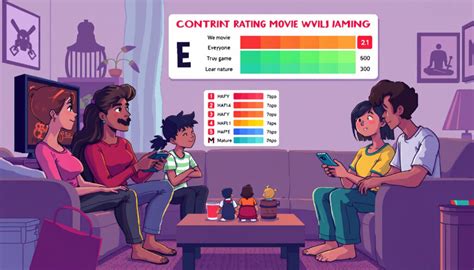
Many gaming consoles, PCs, and mobile devices offer built-in parental control features that allow you to set time limits, block certain content, and monitor usage. These tools can be invaluable in enforcing the rules consistently, reducing daily arguments. Explore options like Xbox Family Settings, PlayStation Family Management, Nintendo Switch Parental Controls, or screen time settings on iOS/Android devices.

3. Create a Schedule and Stick to It
Integrate gaming time into your child’s daily or weekly schedule. This helps them anticipate when they can play and when they need to transition to other activities. Display the schedule prominently, perhaps on a family whiteboard or fridge, to serve as a constant reminder for everyone.
4. Encourage Alternative Activities
Help your child fill the void left by reduced screen time with engaging alternatives. Encourage outdoor play, reading, hobbies, creative arts, board games, or spending time with friends and family. The goal is not just to take away gaming but to replace it with equally or more rewarding experiences that contribute to their holistic development.

Dealing with Pushback and Challenges
It’s natural for children to resist new limits, especially if they’re used to unlimited gaming. Be prepared for arguments, negotiations, or even tantrums. Stay calm, firm, and consistent. Remind them of the agreed-upon rules and the reasons behind them. Avoid getting drawn into endless debates. Acknowledge their feelings (“I know it’s frustrating to stop playing when you’re having fun”), but reiterate the boundaries.
Consider a “cool-down” period if emotions run high, and then revisit the discussion when everyone is calmer. Consistency is the cornerstone of effective parenting; if you give in once, it undermines the entire system.

Monitor, Adjust, and Lead by Example
Screen time limits aren’t set in stone. As children grow and their needs change, it’s important to periodically review and adjust the rules. Have regular family check-ins to discuss how the limits are working and if any modifications are needed. This demonstrates flexibility and respect for their evolving autonomy.
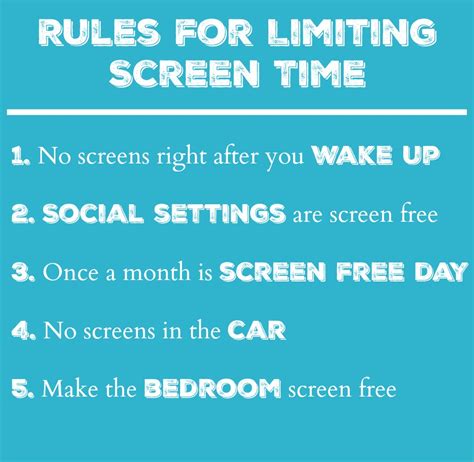
Finally, remember that children learn by example. Reflect on your own screen habits. Are you constantly on your phone or computer? Modeling responsible digital behavior, such as having tech-free mealtimes or designated “unplugged” family hours, sends a powerful message and reinforces the importance of balance for everyone.

Conclusion
Setting healthy gaming screen time limits is an ongoing journey that requires patience, clear communication, and consistency. By involving your children, utilizing available tools, and providing engaging alternatives, you can guide them toward a balanced digital life that prioritizes their physical, mental, and social well-being. The ultimate goal is to equip them with the skills to make responsible choices about technology, fostering a lifelong habit of digital wellness.