
How to choose age-appropriate video games for my child?
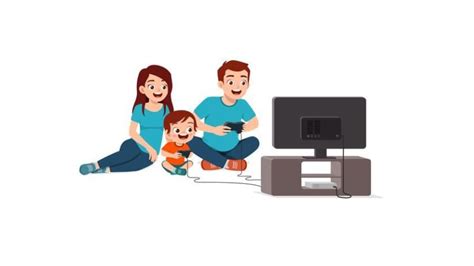
Understanding Video Game Rating Systems
In today’s digital age, video games are a ubiquitous form of entertainment, and for many children, a central part of their social and recreational lives. However, for parents, the sheer volume and variety of games can make choosing appropriate titles a challenging task. Ensuring your child plays games that align with their developmental stage and maturity level is crucial for their well-being and a positive gaming experience.
The first and most important tool at your disposal is understanding video game rating systems. While these systems vary globally, they all serve the same purpose: to provide parents with information about a game’s content. In North America, the Entertainment Software Rating Board (ESRB) is the primary system, using age categories like EC (Early Childhood), E (Everyone), E10+ (Everyone 10+), T (Teen), M (Mature), and AO (Adults Only).
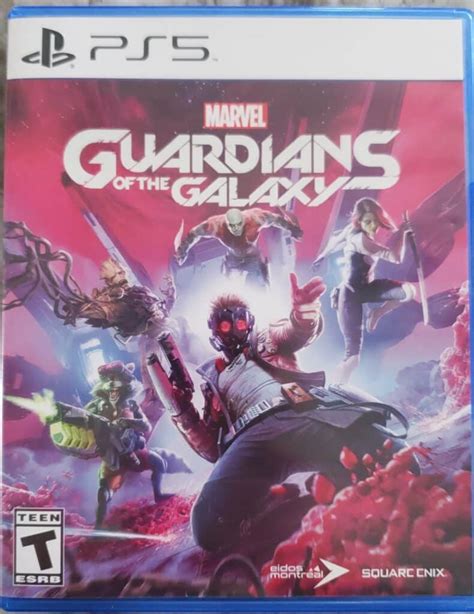
Similarly, Europe uses the Pan European Game Information (PEGI) system, with ratings like PEGI 3, PEGI 7, PEGI 12, PEGI 16, and PEGI 18. Australia has its own system with G, PG, M, MA15+, and R18+ classifications. Familiarize yourself with the system prevalent in your region, and always check the rating on the game’s packaging or digital store page before purchase.
Beyond the Age Rating: Content Descriptors
While an age rating provides a general guideline, it doesn’t tell the whole story. Most rating systems also include content descriptors, which are short phrases explaining *why* a game received a particular rating. For example, an ESRB ‘T’ (Teen) rated game might have descriptors like “Fantasy Violence,” “Mild Language,” or “Use of Alcohol.” These descriptors are invaluable because they highlight specific elements that might be concerning to you as a parent, regardless of the overall age recommendation.
- Violence: Distinguish between cartoon violence, realistic violence, and blood/gore.
- Language: Note if there’s mild language, strong language, or sexual references.
- Substances: Be aware of depictions of alcohol, tobacco, or drug use.
- Thematic Elements: Some games have mature themes like psychological horror or intense emotional content.
Taking the time to read these descriptors can prevent surprises and help you make more informed decisions tailored to your child’s specific sensitivities and your family’s values.
Researching and Engaging with the Game
Even with ratings and descriptors, the best way to understand a game is to do a little research. A quick search online can yield a wealth of information:
- Read Reviews: Look for reviews from reputable gaming websites and parent-focused media outlets.
- Watch Gameplay Videos: YouTube and Twitch offer countless gameplay videos that allow you to see the game in action before your child plays it. This can give you a clear picture of the graphics, gameplay mechanics, and overall tone.
- Talk to Other Parents: Word-of-mouth recommendations from parents you trust can be very helpful.
- Play Together: The most direct approach is to play the game with your child, or at least watch them play. This not only allows you to monitor content but also provides an opportunity for shared experiences and discussions.

Know Your Child and Set Boundaries
Ultimately, rating systems and research are guides, but you know your child best. A game rated ‘E10+’ might be perfectly fine for one 9-year-old but too intense for another. Consider your child’s:
- Maturity Level: Can they understand nuanced themes or separate fantasy from reality?
- Sensitivities: Are they easily frightened or sensitive to certain types of content?
- Interests: Do they prefer creative games, puzzles, or action-packed adventures?
Beyond content, it’s also important to consider screen time. Establish clear rules about how long and when your child can play. This teaches balance and ensures gaming doesn’t interfere with school, sleep, physical activity, or other family activities.

Conclusion: A Balanced and Informed Approach
Choosing age-appropriate video games doesn’t have to be an overwhelming task. By utilizing rating systems, paying attention to content descriptors, conducting a bit of research, and, most importantly, knowing your child’s individual needs, you can confidently select games that are both entertaining and beneficial. Remember, the goal is to foster a healthy relationship with technology, allowing children to enjoy the many positive aspects of gaming in a safe and supportive environment.