


Actionable ways to discuss game content ratings with children effectively?

In today’s digital age, video games are an integral part of many children’s lives. While they offer entertainment and learning opportunities, navigating the vast world of game content can be challenging for parents. Game content ratings, such as ESRB, PEGI, or CERO, are designed to help, but simply stating an age restriction often isn’t enough. The key lies in having proactive, ongoing, and effective discussions with your children.
Why Game Ratings Matter Beyond the Age Label
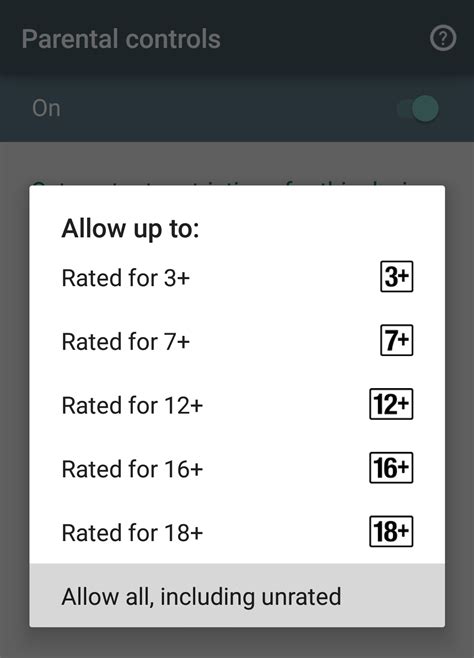
Game ratings are more than just an age recommendation; they are comprehensive guides to a game’s content, detailing elements like violence, language, drug use, and suggestive themes. Understanding these nuances empowers parents to make informed decisions that align with their family’s values and a child’s developmental stage. When children grasp the ‘why’ behind a rating, they are more likely to respect boundaries and develop critical media literacy skills.

Initiating the Conversation: Make it Collaborative, Not Confrontational
The best time to discuss game ratings is before a new game enters your home, or even before your child expresses interest in one. Approach the topic with curiosity and openness, rather than a lecture. Ask questions like, “What kind of games are your friends playing?” or “What makes a game exciting to you?” This sets a foundation for a dialogue where children feel heard and respected.
Decoding the Ratings Together
Instead of just telling them a game is “too mature,” sit down with your child and explore the rating system together. Many rating boards have websites with detailed explanations for each category and content descriptor. Look up a game they are interested in and discuss what the symbols mean. For example, if a game is rated “T for Teen” with descriptors like “Fantasy Violence” and “Mild Language,” explain what those specific elements might entail and why they are flagged.
- Explain the ‘What’: Detail what each content descriptor (e.g., Blood, Language, Violence) means in practical terms.
- Discuss the ‘Why’: Help them understand why certain content might be inappropriate for their age, focusing on emotional maturity and understanding complex themes rather than just explicit content.
- Connect to Real Life: Draw parallels between in-game actions and real-world consequences, if applicable.

Setting Family Gaming Rules and Boundaries
Once you’ve discussed the ratings, establish clear, consistent family gaming rules. These rules should not just cover age ratings but also include playtime limits, appropriate online behavior, and where and when gaming is allowed. Involve your children in creating these rules, which increases their sense of ownership and adherence. Document these rules and place them in a visible spot as a constant reminder.
For example, a rule might be: “Games rated E for Everyone and E10+ are generally okay, but we’ll review T for Teen games together before playing.” This introduces a collaborative vetting process.
Beyond the Labels: Fostering Critical Thinking
The goal isn’t just to enforce rules but to equip children with the skills to make responsible choices themselves. Encourage them to think critically about the games they play and consume. Ask questions like:
- “How does this game make you feel?”
- “Do you think the actions in this game are okay in real life?”
- “What messages do you think this game is sending?”
This approach moves beyond simple compliance and fosters a deeper understanding of media influence.

Lead by Example and Stay Engaged
Your children observe your media habits. If you play games, make sure you’re also mindful of ratings and discuss your choices. Periodically check in with your children about the games they’re playing, even if they’ve already been approved. Playing games with them occasionally can provide valuable insights into the content and allow for real-time discussions about in-game situations.

Effectively discussing game content ratings is an ongoing process that evolves as your children grow. By fostering open communication, explaining the ‘why’ behind ratings, setting clear expectations, and encouraging critical thinking, you can empower your children to navigate the world of video games safely and responsibly, turning potential conflicts into opportunities for growth and understanding.