


Gaming limits & age-appropriate game picks: How to balance screen time?

In today’s digital age, video games are an undeniable part of many children’s lives, offering entertainment, social interaction, and even educational opportunities. However, for parents, the challenge lies in striking the right balance: how much screen time is too much, and how do we ensure our children are engaging with appropriate content? This article provides practical strategies for setting healthy gaming limits and making informed choices about age-appropriate game selections, helping families navigate the digital world with confidence.
Understanding the Appeal and the Pitfalls
Video games captivate children with immersive worlds, engaging challenges, and opportunities for social connection with friends. While gaming can develop problem-solving skills, hand-eye coordination, and strategic thinking, excessive or unsupervised play can lead to issues like sleep disruption, neglect of other activities, and exposure to inappropriate content. Recognizing both the benefits and potential drawbacks is the first step toward effective management.

Setting Healthy Gaming Limits
Establishing clear, consistent boundaries around gaming time is crucial. The key is not just limiting screen time, but also ensuring that the time spent gaming is productive and balanced with other activities.
- Define Clear Rules: Work with your child to establish daily or weekly time limits. This could be a set number of hours per day or a total for the week, allowing for flexibility.
- Be Consistent: Once rules are set, enforce them consistently. Inconsistency can lead to confusion and frustration for both parents and children.
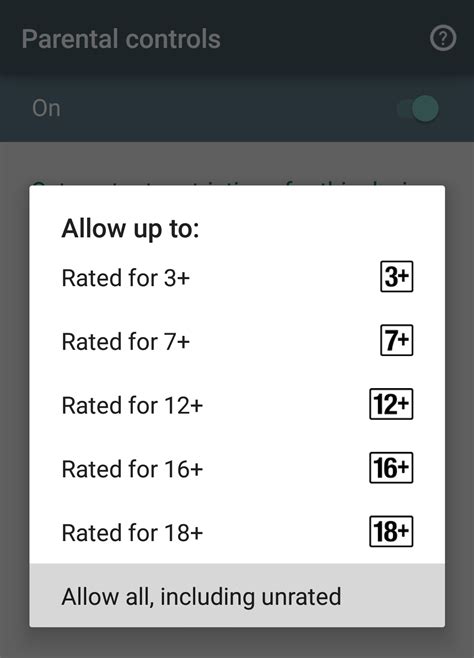
- Use Tools if Necessary: Many gaming consoles and devices offer parental control settings that can enforce time limits automatically, helping to avoid arguments.
- Screen-Free Zones and Times: Designate certain areas (e.g., bedrooms at night) or times (e.g., meal times, before homework) as screen-free zones to encourage other interactions.
- Encourage Breaks: Even within permitted gaming time, suggest short breaks every 30-60 minutes to rest eyes and move around.

Choosing Age-Appropriate Games
Beyond screen time, the content of the games your child plays is equally important. Not all games are created equal, and what’s suitable for a teenager might be highly inappropriate for a younger child.
- Understand Game Ratings: Familiarize yourself with rating systems like ESRB (Entertainment Software Rating Board) in North America or PEGI (Pan European Game Information) in Europe. These ratings provide age recommendations and content descriptors (e.g., violence, language, suggestive themes).
- Research Beyond Ratings: While ratings are a good starting point, they don’t always tell the whole story. Read reviews from reputable gaming sites, watch gameplay videos, and talk to other parents.
- Play Together or Watch Them Play: The best way to understand a game’s content and suitability is to experience it yourself. Play a game with your child or simply observe their gameplay to gauge its themes and challenges.
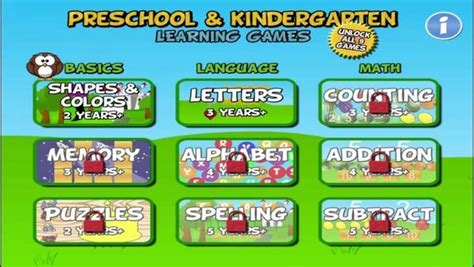
- Consider Learning and Creativity: Look for games that offer educational value, encourage creativity (like building games), or promote problem-solving and strategic thinking.
- Check for In-App Purchases: Be aware of games that rely heavily on microtransactions or ‘loot boxes,’ which can encourage excessive spending and potentially foster gambling-like behaviors.

Fostering Open Communication and Engagement
Rather than simply imposing rules, foster an environment of open dialogue. Talk to your children about why certain limits are in place and why specific games are allowed or disallowed. Show genuine interest in what they’re playing, asking about their favorite characters, challenges, and achievements. This engagement can turn potential conflict into an opportunity for connection and mutual understanding.

Balancing Screen Time with Other Activities
The goal isn’t just to limit gaming, but to ensure a rich and varied life experience. Actively encourage and provide opportunities for other activities:
- Outdoor Play: Promote physical activity and exploration in nature.
- Hobbies and Interests: Encourage reading, arts and crafts, music, sports, or any other non-screen-based hobbies.
- Family Time: Dedicate time for family meals, board games, conversations, and outings.
- Homework and Chores: Ensure responsibilities are met before gaming privileges are granted.
Conclusion
Balancing gaming limits and choosing age-appropriate games is an ongoing process that requires active parental involvement, consistent boundaries, and open communication. By staying informed, setting clear expectations, and fostering a diverse range of activities, parents can guide their children toward a healthy and balanced relationship with technology, ensuring that gaming remains a fun and enriching part of their lives without overshadowing other essential aspects of childhood development.