

What game ratings (ESRB/PEGI) best guide age-appropriate choices?
Navigating the vast world of video games can be daunting for parents seeking to ensure their children are engaging with age-appropriate content. Fortunately, standardized rating systems like the Entertainment Software Rating Board (ESRB) and Pan European Game Information (PEGI) were established to provide clear guidance. But how effectively do these systems help parents make the best choices?
Understanding ESRB: A North American Perspective
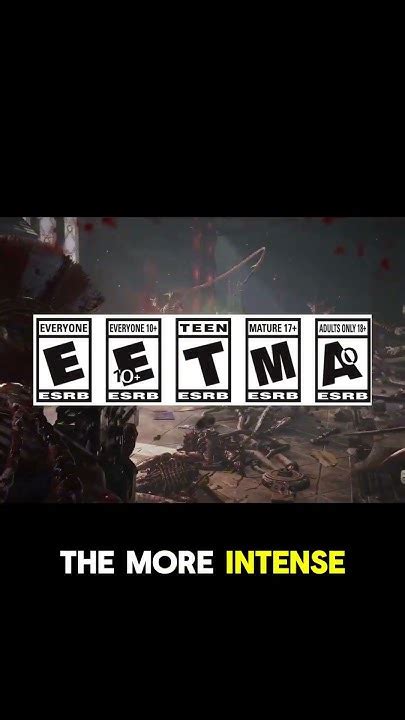
The ESRB system is primarily used in the United States, Canada, and Mexico. It assigns age categories and content descriptors to video games, helping consumers understand the nature of a game’s content before purchase. The main age ratings are:
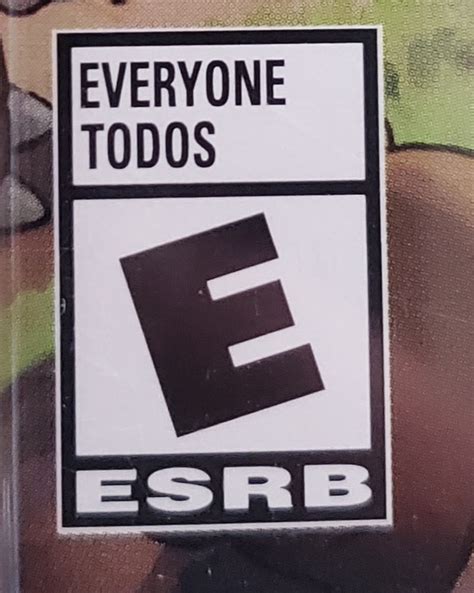
- E (Everyone): Content generally suitable for all ages. May contain minimal cartoon, fantasy or mild violence and/or infrequent mild language.
- E10+ (Everyone 10+): Content generally suitable for ages 10 and up. May contain more cartoon, fantasy or mild violence, mild language, and/or minimal suggestive themes.
- T (Teen): Content generally suitable for ages 13 and up. May contain violence, suggestive themes, crude humor, minimal blood, simulated gambling, and/or infrequent use of strong language.
- M (Mature): Content generally suitable for ages 17 and up. May contain intense violence, blood and gore, sexual content, and/or strong language.
- AO (Adults Only 18+): Content suitable only for adults. May include prolonged scenes of intense violence, graphic sexual content, and/or gambling with real currency.
Beyond these age ratings, ESRB provides “Content Descriptors” (e.g., “Fantasy Violence,” “Strong Language,” “Blood,” “Sexual Themes”) and “Interactive Elements” (e.g., “In-Game Purchases,” “Users Interact”) which offer more specific details about the game’s content and online features.
Demystifying PEGI: European Standards
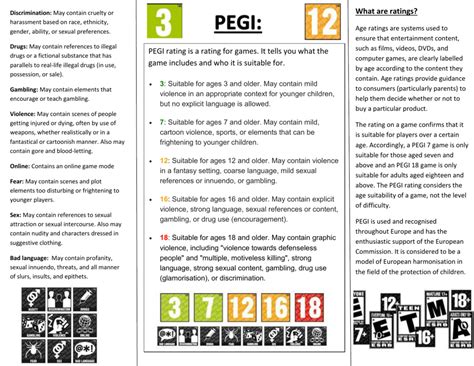
PEGI is the most widely recognized rating system across Europe, used in 38 countries. Similar to ESRB, PEGI also offers age classifications and content descriptors. The age ratings are:
- PEGI 3: Suitable for all age groups.
- PEGI 7: Content that could be disturbing to younger children, requiring parental discretion.
- PEGI 12: Games with mild violence, suggestive themes, or gambling.
- PEGI 16: More realistic violence, sexual innuendo, or the promotion of illegal drugs.
- PEGI 18: Adult content, including graphic violence, explicit sexual content, and glorification of drug use.
PEGI’s content descriptors provide additional insight through specific icons like “Violence,” “Bad Language,” “Fear,” “Sex,” “Drugs,” “Gambling,” “Discrimination,” and “In-Game Purchases.” These icons highlight the specific reasons for a game’s age rating, allowing parents to quickly identify potentially problematic elements.
ESRB vs. PEGI: Which is Better?
While both systems aim to guide parents, they have slightly different philosophies. ESRB tends to focus more on the “type” of content (e.g., cartoon violence vs. realistic violence), while PEGI’s age ratings are often seen as a direct recommendation for the minimum age a child should be to play. However, both systems are incredibly valuable tools.
Neither system is inherently “better” than the other; their effectiveness depends on the region and the parent’s approach. What’s crucial is that parents understand the system prevalent in their geographical area and utilize all the information it provides, not just the headline age rating.
Beyond the Rating: A Holistic Approach
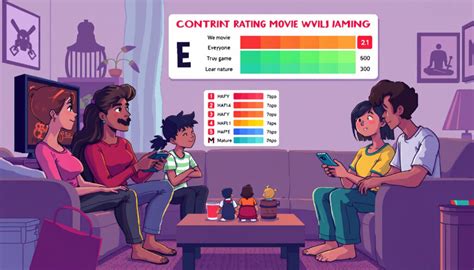
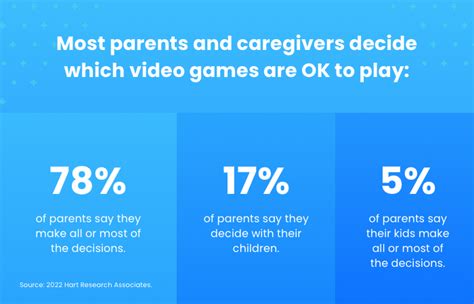
While game ratings are an excellent starting point, they should not be the sole determinant of a game’s suitability. Parents are encouraged to take a more holistic approach:
- Read the Content Descriptors: Always look beyond the age rating. A “T” for Teen game with “Mild Language” might be acceptable, but one with “Blood and Gore” might not be.
- Watch Gameplay Videos: Platforms like YouTube offer countless gameplay videos. Watching a few minutes can give you a much clearer picture of the game’s tone, action, and overall content.
- Talk to Your Children: Engage in conversations about the games they want to play and why. Understand their interests and assess their maturity levels. Some children may handle mature themes better than others, though age ratings provide a general guideline.
- Play Together: When possible, play games with your children. This allows you to directly experience the content and discuss any concerns or teachable moments as they arise.
- Check Parental Controls: Most gaming consoles and digital stores offer robust parental control features that can restrict access based on ratings, limit screen time, or control in-game purchases.

Empowering Parental Choices
Ultimately, both ESRB and PEGI serve as indispensable resources, empowering parents to make informed and responsible decisions about their children’s video game consumption. By understanding what each rating system signifies and delving into the detailed content descriptors, parents can confidently guide their children towards games that are not only fun but also appropriate for their age and developmental stage.
Remember, these ratings are guides, not absolute rules. Combining them with your personal knowledge of your child’s maturity and interests will always yield the best results for a healthy and safe gaming experience.