




How to set healthy gaming screen time limits without meltdowns?
Navigating the Digital Playground: Setting Gaming Limits Peacefully
In today’s digital age, video games are an undeniable part of many children’s lives. While offering entertainment and even developmental benefits, excessive gaming can lead to challenges, from neglected homework to emotional meltdowns when it’s time to log off. Setting healthy screen time limits is crucial, but how do parents do this without triggering a battle?
Understanding the ‘Why’ Behind the Meltdown
Before imposing limits, it’s vital to understand why children react strongly. For them, gaming isn’t just a pastime; it’s often a social connection, a source of achievement, or a way to unwind. Abruptly cutting off can feel like a loss of control, a disruption to their social world, or an unfair punishment. Empathy is your first tool.

Collaborate, Don’t Dictate: Involve Your Child in the Process
One of the most effective ways to avoid meltdowns is to give your child a sense of ownership over the rules. Instead of announcing new limits, initiate a conversation. Ask them what they think are fair gaming times, considering their responsibilities and other activities.
- Hold a Family Meeting: Discuss the benefits of balanced screen time (more outdoor play, better sleep, time for other hobbies).
- Listen Actively: Hear their concerns and ideas without judgment.
- Co-create the Rules: Work together to draft a screen time schedule that everyone can agree on. This often leads to greater buy-in.
Set Clear Expectations and Consequences
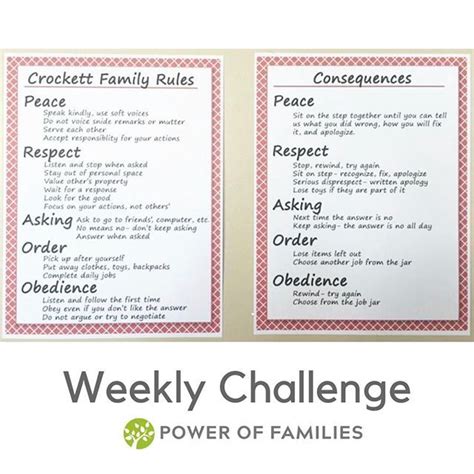
Once limits are agreed upon, clarity is key. Write down the rules and post them where everyone can see them. Be specific about:
- When gaming is allowed: (e.g., after homework, only on weekends).
- How long gaming is allowed: (e.g., 60 minutes per day, 90 minutes on Saturday).
- What happens when time is up: (e.g., a 10-minute warning, then turn off).
- Consequences for not following the rules: (e.g., loss of gaming privileges for the next day, reduced time).
Consistency in enforcing these rules is paramount. If you bend the rules often, your child will learn that ‘no’ doesn’t always mean ‘no’.
Making Transitions Smoother: The Art of the Warning
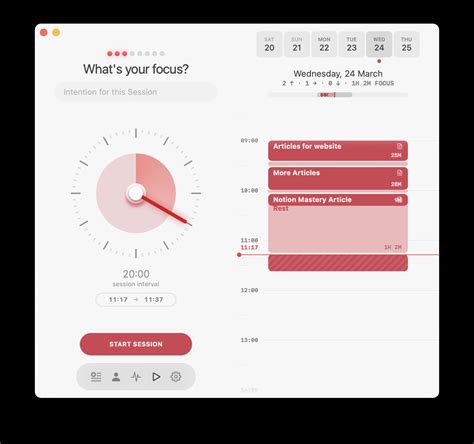
Sudden cut-offs are a prime trigger for meltdowns. Implement a warning system to help your child mentally prepare for the end of their gaming session.
- Verbal Warnings: Give a 15-minute, then a 5-minute warning before time is up.
- Use a Visual Timer: A physical timer or an app that visually counts down can be very helpful, making the limit feel less like an arbitrary parental decision and more like an objective rule.
- Transition Activities: Suggest what they can do next. “When you’re done, we can read a book together, or you can go outside and play.”
- Encourage ‘Saving’: Teach them to find a natural stopping point in their game, like saving their progress, which empowers them to end on their terms.

Offer Engaging Alternatives and Lead by Example
Children are less likely to resist logging off if they have exciting alternatives. Plan family activities, encourage new hobbies, or simply spend quality time together. Your behavior also speaks volumes. If you’re constantly on your phone or computer, it sends a mixed message. Model healthy screen habits yourself.

Conclusion: Patience, Empathy, and Consistency are Key
Setting healthy gaming screen time limits without meltdowns is an ongoing process that requires patience, empathy, and unwavering consistency. By involving your child in the decision-making, setting clear expectations, providing smooth transitions, and offering appealing alternatives, you can foster a healthier relationship with technology for your entire family, transforming potential conflicts into opportunities for growth and understanding.