



What are practical steps to manage kids’ gaming screen time effectively?

In today’s digital age, managing children’s gaming screen time is a common challenge for parents. While gaming offers entertainment, problem-solving opportunities, and social connection, excessive use can impact physical health, academic performance, and family life. The key isn’t necessarily to eliminate gaming, but to integrate it into a balanced lifestyle. This article outlines practical, actionable steps parents can take to effectively manage their kids’ gaming habits, promoting a healthier balance between digital and real-world experiences.
1. Establish Clear Boundaries and Consistent Rules
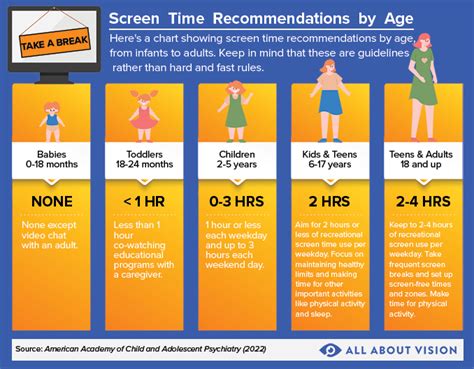
The foundation of effective screen time management is a set of well-defined rules. Work collaboratively with your children to establish specific limits on gaming duration per day or week, and designate screen-free zones or times, such as during meals, homework, or before bedtime. Consistency is crucial; once rules are set, enforce them fairly and predictably. This helps children understand expectations and builds a sense of structure around their digital habits.
Consider using a timer to help kids track their own screen time, empowering them with a sense of responsibility. Discuss the “why” behind these rules – explaining the importance of balance, sleep, physical activity, and social interaction – rather than just dictating them.

2. Leverage Technology and Parental Controls
Many gaming platforms, devices, and internet routers offer built-in parental control features. These tools can be invaluable for enforcing time limits, filtering content, and even scheduling internet access. Explore the settings on consoles (PlayStation, Xbox, Nintendo Switch), mobile devices (iOS, Android), and PC operating systems. Dedicated apps designed for screen time management can also provide detailed reports and control options across multiple devices.
Familiarize yourself with these technological safeguards and use them to support the boundaries you’ve established. Remember that technology is a tool, not a substitute for communication, but it can provide a helpful layer of enforcement and peace of mind.

3. Encourage and Facilitate Alternative Activities
A significant part of reducing excessive gaming is offering engaging alternatives that capture your child’s interest. Actively encourage and participate in non-screen activities. This could include outdoor play, sports, creative arts and crafts, reading, board games, cooking, or family outings. The goal is to fill the void that gaming might otherwise occupy with enriching experiences that promote physical activity, creativity, learning, and social interaction.
Sometimes, children default to gaming because they are bored or lack other immediate options. By providing accessible and appealing alternatives, you can help them discover new passions and develop a more diverse range of interests. Make these alternatives a regular and exciting part of your family routine.

4. Foster Open Communication and Collaboration
Instead of just imposing rules, engage your children in the conversation about screen time. Ask them about their favorite games, what they enjoy about them, and how gaming makes them feel. Understanding their perspective can help you tailor rules that are more likely to be accepted and followed. Involve them in creating the family’s media plan, making them feel like a partner rather than just a subject of the rules.
Discuss the potential downsides of too much screen time, such as eye strain, sleep disruption, or missed opportunities for other activities, in an age-appropriate and non-judgmental way. Regular check-ins can help you monitor their habits and adjust rules as needed, always focusing on their well-being.

5. Lead by Example and Be Flexible
Children are keen observers, and your own screen habits set a powerful example. Be mindful of your phone, tablet, and TV usage, especially when interacting with your children. Demonstrate a balanced approach to technology in your own life. This shows them that the rules apply to everyone and that a digital-free life is both possible and enjoyable. Model the behaviors you wish to see in them.
Finally, remember that parenting is an evolving journey. What works for one child might not work for another, and what works today might need adjusting tomorrow. Be prepared to adapt your rules and strategies as your children grow and their needs change. Flexibility, combined with a strong foundation of boundaries, open communication, and consistent effort, will lead to the most sustainable success in managing gaming screen time effectively for a healthy, balanced family life.