




How to choose truly age-appropriate games for my child?
Choosing games for children can feel like navigating a maze of options, from educational apps to action-packed console adventures. While official age ratings like ESRB or PEGI provide a baseline for content, they don’t always capture the nuances of a child’s developmental stage, temperament, or specific needs. Truly age-appropriate games go beyond mere content warnings; they challenge without overwhelming, engage without overstimulating, and support growth rather than hindering it. This article will guide parents through a comprehensive approach to selecting games that genuinely align with their child’s cognitive, emotional, and social development, fostering a positive and enriching play experience.

Understanding Developmental Stages
The first step in choosing the right game is understanding where your child is developmentally. A game perfect for a 3-year-old exploring cause-and-effect will likely bore a 10-year-old seeking strategic challenges, and vice-versa. Children evolve rapidly, and their capacity for complex rules, abstract thinking, fine motor skills, and social interaction shifts significantly across different age groups.
- Toddlers (1-3 years): Focus on sensory exploration, basic cause-and-effect, simple matching, and gross motor skills. Games should be highly interactive, require minimal instruction, and have bright colors and engaging sounds.
- Preschoolers (3-5 years): Developing fine motor skills, language, and early problem-solving. Look for games that encourage creativity, pretend play, letter and number recognition, and simple puzzles.
- Early School Age (6-9 years): Expanding cognitive abilities, reading skills, and social understanding. Games can introduce more complex rules, basic strategy, resource management, and cooperative play. Educational games that reinforce school subjects are often appealing.
- Pre-Teens (10-12 years): Growing interest in strategy, logic, deeper narratives, and social dynamics. Games with intricate storylines, complex puzzles, competitive or cooperative multiplayer modes, and opportunities for creative expression are suitable.
Beyond ESRB/PEGI Ratings: What Else to Consider
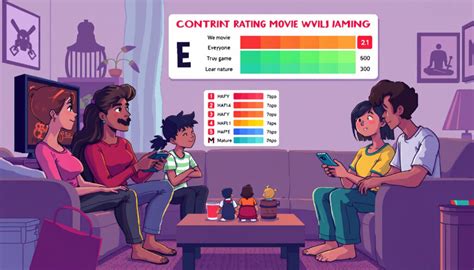
While official ratings are crucial for flagging mature content like violence, strong language, or suggestive themes, they are a blunt instrument for gauging developmental appropriateness. Savvy parents need to look deeper:
- Complexity of Rules: Is the game’s learning curve appropriate for your child’s age? Too simple, and they’ll get bored; too complex, and they’ll get frustrated.
- Required Skills: Does the game demand fine motor precision, quick reflexes, reading comprehension, or strategic thinking beyond your child’s current capabilities?
- Emotional Content: Even if not rated “mature,” some games can contain themes of loss, suspense, or competition that might be too intense for sensitive children.
- Pacing and Engagement: Does the game move at a pace that allows your child to process information and make decisions, or is it overly frantic or slow?
- Social Interaction: Does the game encourage positive social skills (cooperation, negotiation) or primarily competitive, individualistic play? Consider if it allows for shared family experiences.
- Educational Value: While not every game needs to be “educational,” consider if it promotes critical thinking, creativity, problem-solving, or knowledge in any domain.

Practical Tips for Game Selection
Making informed choices requires a bit of detective work and understanding your unique child:
- Observe and Inquire: Pay attention to what your child enjoys and struggles with in their current play and learning. Ask them what kind of games interest them and why.
- Read Reviews & Watch Gameplay: Look for parent reviews, not just marketing materials. Many online platforms (YouTube, game review sites) offer gameplay videos, allowing you to preview the mechanics and content firsthand.
- Try Before You Buy: Many games offer demos, free trials, or are available through subscription services. Utilize these opportunities to test a game’s suitability before committing. Borrowing from friends or libraries can also be an option for physical games.
- Play Together: Especially for new games, play alongside your child. This helps you gauge their reaction, understand the game’s demands, and guide them through initial challenges. It also creates a shared experience.
- Monitor and Adjust: Children’s interests and developmental needs change. A game that was perfect last year might not be engaging today, or a new game might unexpectedly cause frustration. Be prepared to remove or set aside games that aren’t serving them well.

The Role of Parental Involvement
Your involvement extends far beyond the initial selection. Active parenting can transform any game into a more enriching experience:
Set clear boundaries around screen time and game content. Discuss any potentially confusing or challenging aspects of a game with your child. Co-playing not only helps you understand the game but also provides opportunities for bonding, teaching strategies, and discussing in-game decisions. Even seemingly simple games can be opportunities to teach patience, persistence, sportsmanship, or critical thinking when played alongside an engaged parent.

Conclusion
Choosing truly age-appropriate games is an ongoing process that requires observation, research, and active parental involvement. By looking beyond simple age ratings and considering your child’s unique developmental stage, interests, and emotional needs, you can curate a play environment that stimulates their growth, encourages healthy engagement, and provides genuine joy. Remember, the best games are those that fit the child, not the other way around.