


How can I find fun, safe games and manage kids’ playtime effectively?

Navigating the Digital Playground: Fun, Safe Games for Kids
In today’s fast-paced world, finding games that are both entertaining and appropriate for children can feel like a daunting task. Parents often grapple with ensuring safety while also fostering creativity and learning. This guide will help you confidently select fun, secure games and establish effective playtime management strategies, promoting a healthy balance in your child’s development.
Identifying Age-Appropriate and Engaging Games
The first step to effective playtime management is choosing the right games. This involves a blend of research, understanding your child’s interests, and prioritizing safety.
Online Resources and Ratings
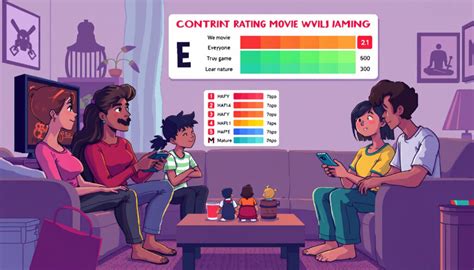
- ESRB/PEGI Ratings: Always check game ratings (e.g., ESRB in North America, PEGI in Europe) which provide guidance on age appropriateness and content descriptors (violence, language, etc.). These are crucial for digital and physical games.
- Reputable Review Sites: Websites like Common Sense Media offer in-depth reviews from a parent’s perspective, highlighting educational value, potential dangers, and discussion points.
- Educational Game Platforms: Explore platforms specifically designed for children, often vetted by educators, offering a range of learning games in subjects like math, reading, and coding.
Beyond the Screen: Embracing Diverse Play
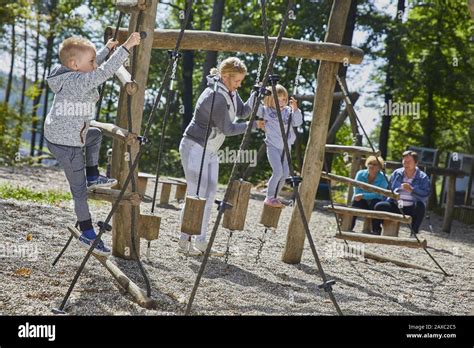
While digital games are popular, don’t forget the rich benefits of traditional and outdoor play. Board games, puzzles, building blocks, creative arts, and outdoor sports all contribute significantly to a child’s cognitive, physical, and social development. A balanced approach means integrating these into their routine.

Implementing Effective Playtime Management Strategies
Once you’ve curated a selection of safe, fun games, the next challenge is managing how and when your children play them. Consistency and clear communication are key.
Establishing Clear Boundaries and Schedules
- Set Daily/Weekly Limits: Determine reasonable screen time limits based on your child’s age and individual needs. The American Academy of Pediatrics (AAP) offers guidelines, but flexibility for specific educational content or family movie nights is understandable.
- Create a Playtime Schedule: Integrate screen time into a broader daily schedule that includes homework, outdoor play, reading, family meals, and creative activities. Visual schedules can be very helpful for younger children.
- “Screen-Free” Zones/Times: Designate certain times (e.g., during meals, an hour before bedtime) or areas (e.g., bedrooms, dining room) as screen-free zones to encourage interaction and better sleep.
Involving Your Child in the Process
Kids are more likely to adhere to rules they helped create. Discuss screen time limits and game choices with them. Explain the “why” behind your decisions, focusing on their well-being and brain development. This fosters a sense of responsibility and reduces power struggles.

Monitoring, Supervision, and Leading by Example
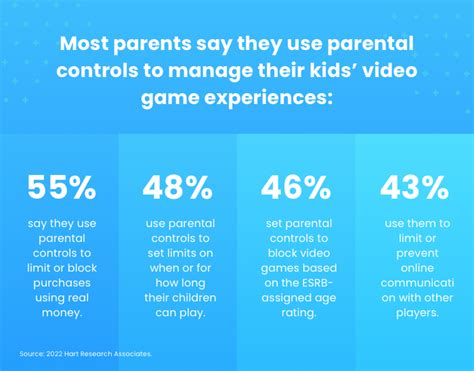
Active parental involvement is crucial. Stay informed about the games your children are playing. Play with them occasionally to understand the content and interactions. Most gaming platforms offer parental controls to manage purchases, communication with other players, and time limits – utilize these tools.
Remember that children learn by observing. Your own relationship with screens significantly influences their habits. Demonstrate balanced screen use, engage in non-screen activities, and be present during family time.
The Benefits of a Balanced Play Diet
By finding appropriate games and managing playtime effectively, you contribute to several positive outcomes for your child:
- Improved Focus and Attention: Reduced excessive screen time can enhance concentration.
- Enhanced Creativity and Problem-Solving: Diverse play encourages innovative thinking.
- Better Social Skills: Offline interactions strengthen communication and empathy.
- Physical Health: More active play leads to better physical development.
- Academic Success: A balanced routine can positively impact school performance.

Conclusion
Successfully navigating the world of kids’ games and playtime management is an ongoing journey that requires patience, consistency, and open communication. By carefully selecting fun, safe games and implementing clear, flexible boundaries, you empower your children to enjoy the benefits of play in a healthy, balanced way, fostering their overall growth and well-being.