


Effective screen time limits for kids’ competitive online gaming?

Navigating the World of Kids’ Competitive Online Gaming
The exhilarating world of competitive online gaming has captured the attention of countless children and teenagers. What started as a casual pastime has evolved into a structured environment with teams, strategies, and even professional aspirations for some. For parents, this presents a unique challenge: how to support their child’s passion while ensuring it doesn’t overshadow other crucial aspects of their development. Setting effective screen time limits isn’t just about restricting access; it’s about fostering healthy digital habits in a high-stakes environment.

Why Traditional Screen Time Rules Might Not Fully Apply
Unlike casual gaming, competitive online gaming often involves scheduled practice sessions, team commitments, and tournaments. These activities can be less forgiving when it comes to interruptions or arbitrary cut-offs, as a child’s participation affects their teammates. This means that blanket “two-hour limits” might need to be re-evaluated and adapted to the specific demands of their gaming involvement. Understanding the nature of their commitment is the first step towards creating realistic and respected boundaries.
The Critical Need for Balanced Engagement
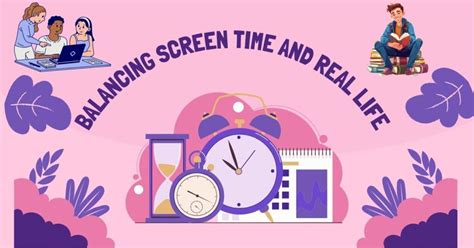
While competitive gaming can teach valuable skills like teamwork, strategic thinking, and quick decision-making, excessive screen time carries potential risks. These include eye strain, sleep disruption, decreased physical activity, impact on academic performance, and reduced real-world social interaction. Parents must weigh the potential benefits against these risks to ensure their child’s overall well-being remains the top priority. A balanced approach allows children to pursue their interests without sacrificing their health or other responsibilities.

Strategies for Setting Effective Limits
1. Open Communication and Collaboration
Involve your child in the discussion. Explain your concerns and listen to their perspective on their gaming commitments. Together, you can establish rules that are understood and more likely to be followed. This collaborative approach empowers them and fosters a sense of responsibility.
2. Create a Gaming Schedule
Instead of vague limits, work with your child to create a specific gaming schedule. This can include designated practice times, tournament slots, and “off-limits” periods (e.g., during homework, family meals, or an hour before bedtime). Use a shared calendar to visualize and manage their commitments.
3. “Earned” Screen Time
Link gaming time to the completion of other responsibilities. For example, homework must be finished, chores done, or a certain amount of physical activity completed before gaming begins. This teaches time management and prioritisation.

4. Prioritize Offline Activities
Actively encourage and schedule time for non-screen activities like sports, reading, hobbies, and face-to-face social interactions. A rich and varied life outside of gaming is essential for healthy development and provides a natural balance.
5. Implement “Digital Detox” Periods
Consider implementing regular “digital detox” days or periods where gaming is entirely off-limits, perhaps once a week, or during family vacations. This helps kids disconnect and re-engage with the physical world.

Monitoring and Consistency are Key
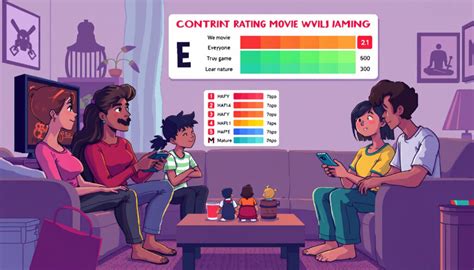
Once limits are set, consistent enforcement is paramount. Use parental control apps if necessary, but more importantly, maintain regular check-ins and conversations. Be prepared to adjust the rules as your child matures or as their gaming commitments change. Look for signs of stress, fatigue, academic decline, or social withdrawal, which could indicate that current limits are not effective.
Beyond the Screen: Fostering Overall Well-being
Remember that screen time is just one piece of the puzzle. Ensure your child has a healthy diet, gets enough sleep, and engages in regular physical activity. These foundational elements are crucial for their physical and mental resilience, whether they are gaming competitively or not. Ultimately, the goal is not to eliminate gaming, but to integrate it into a balanced and fulfilling life.

Conclusion: Finding the Right Balance
Setting effective screen time limits for kids involved in competitive online gaming is a dynamic process that requires understanding, communication, and flexibility. By collaborating with your child, establishing clear schedules, prioritizing overall well-being, and staying consistent, parents can help their children enjoy their passion responsibly and develop into well-rounded individuals. The conversation around competitive gaming should always be an ongoing one, adapting as your child grows and their interests evolve.