



Practical tips for managing kids’ video game screen time?

The Digital Balancing Act: Why Screen Time Management Matters
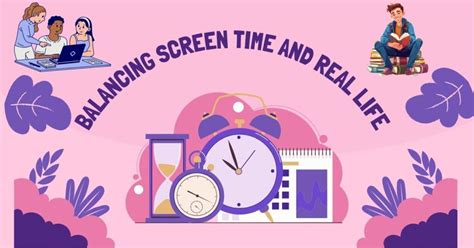
In today’s digitally saturated world, video games are an undeniable part of many children’s lives. While they offer entertainment, learning opportunities, and social connections, unchecked screen time can lead to challenges in other areas of development. For parents, striking the right balance is crucial for fostering healthy habits and ensuring well-rounded growth. Navigating this digital landscape effectively requires a thoughtful approach, clear boundaries, and consistent application.

1. Establish Clear Rules and Expectations
Consistency is key to effective screen time management. Before your child starts playing, clearly define the rules regarding video game screen time. This includes daily or weekly limits, acceptable times to play (e.g., after homework, before dinner), and any conditions (e.g., chores must be done first). Involve your children in this discussion to foster a sense of ownership and understanding of the ‘why’ behind the rules.
Document these rules. A simple visual chart, a family agreement, or a written contract can serve as a constant reminder for everyone. Ensure that consequences for breaking rules are also clearly outlined and consistently enforced. Predictability helps children understand boundaries and learn self-regulation.
2. Utilize Parental Control Tools
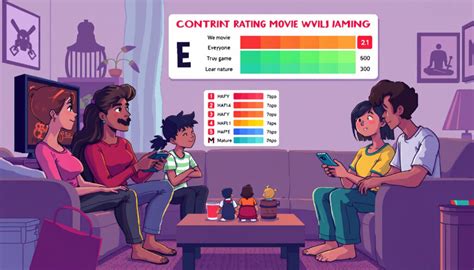
Modern gaming consoles, PCs, and mobile devices come equipped with robust parental control features. These tools allow you to set time limits, restrict access to certain games or content based on age ratings, and even monitor activity. Learn how to use them effectively for each platform your child uses. This provides a valuable layer of enforcement and peace of mind, acting as a digital guardian for your family’s rules.

3. Encourage Alternative Activities
A proactive approach to managing screen time involves actively promoting and making available other engaging activities. The goal isn’t just to limit screen time, but to replace it with enriching experiences. Encourage outdoor play, reading, creative hobbies (art, music, crafts), board games, sports, and social interactions that don’t involve screens. Provide opportunities for these alternatives and participate in them as a family to demonstrate their value and fun.
These activities contribute significantly to physical health, social skills, cognitive development, and emotional well-being, offering a vital counterbalance to digital engagement.

4. Lead by Example: Your Own Screen Habits
Children are excellent imitators, and they observe their parents’ behaviors closely. Reflect on your own screen habits. Are you constantly glued to your phone or TV? Demonstrating healthy screen usage yourself, such as having device-free meals, designated family time without screens, or taking digital detoxes, sends a powerful message. Talk about why you’re taking a break from screens and model mindful engagement with technology.

5. Focus on Quality and Communication
Not all screen time is created equal. Engage with your children about the games they play. Understand their interests, discuss game content, and help them choose games that are age-appropriate, potentially educational, or creativity-boosting. Open communication allows you to guide their choices and understand their perspective, rather than just imposing limits without context.
Regularly check in with your child about how they feel about the screen time rules. Be open to adjusting them as they grow and mature, making it a collaborative effort rather than a strict imposition. This ongoing dialogue fosters trust and adaptability, crucial for long-term digital well-being.

Conclusion: Finding the Right Balance for Your Family
Managing kids’ video game screen time is an ongoing process that requires patience, consistency, and adaptability. There’s no one-size-fits-all solution, but by setting clear boundaries, utilizing available tools, encouraging diverse activities, leading by example, and fostering open communication, parents can help their children develop a healthy relationship with technology. The ultimate goal is to integrate digital entertainment responsibly into a balanced life, ensuring children thrive both on and offline, becoming well-rounded individuals in an increasingly digital world.