




How to balance kids’ gaming screen time with schoolwork effectively?

Navigating the Digital Playground: A Parent’s Guide
In today’s digital age, video games have become an almost ubiquitous part of childhood. While they offer entertainment, social connection, and even skill development, the allure of gaming can often clash with the essential demands of schoolwork. For many parents, striking a healthy balance between a child’s love for gaming and their academic responsibilities feels like an ongoing uphill battle.
This challenge isn’t just about setting limits; it’s about fostering responsibility, teaching time management, and promoting overall well-being. The key lies in creating a structured, communicative, and supportive environment where both play and academics can thrive without one overshadowing the other.

Understanding the Landscape: Why the Struggle is Real
To effectively manage screen time, it’s crucial to understand why gaming is so compelling for children. Games offer immediate gratification, a sense of achievement, social interaction with friends, and an escape into imaginative worlds. These powerful motivators can make it incredibly difficult for kids to put down the controller and pick up a textbook.
Simultaneously, schoolwork requires focused attention, discipline, and often delayed gratification, which stands in stark contrast to the instant rewards of gaming. Parents often find themselves mediating this internal conflict within their children, leading to stress and arguments if not handled proactively.
Foundations of Balance: Setting Clear Expectations
Establish Family Rules and Routines
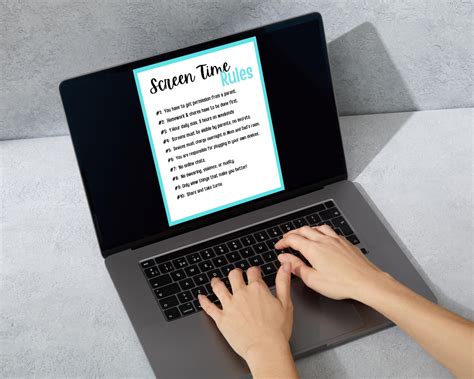
The first step toward effective balance is to establish clear, consistent family rules regarding screen time and schoolwork. Involve your children in this process to foster a sense of ownership and compliance. Decide on specific times for gaming, homework, and other activities. A visual schedule can be incredibly helpful for younger children.
For instance, a rule could be: “Homework must be completed and checked before any gaming begins.” Or, “Gaming is allowed for one hour after all chores and homework are done.” Consistency is paramount; stick to the rules even when it’s challenging.
Practical Strategies for Effective Management
Time Blocking and Scheduling
Utilize timers and schedules to allocate specific blocks for homework, study, and gaming. Many parents find success with a ‘homework first’ approach, ensuring academic tasks are prioritized. Consider using a physical timer that kids can see count down their gaming time, helping them self-regulate.
Reward Systems and Consequences
Implement a positive reinforcement system where gaming time is earned. For example, for every 30 minutes of focused study, your child earns 15 minutes of gaming. This teaches them that screen time is a privilege tied to responsibility. Conversely, clear and fair consequences for not completing schoolwork or breaking screen time rules are also necessary.

Diversifying Activities
Encourage a wide range of interests beyond gaming. Promote outdoor play, sports, reading, creative hobbies, and social interactions that don’t involve screens. The more fulfilling alternative activities your child has, the less they will rely solely on gaming for entertainment and social connection. Occasionally, suggest educational games that align with school subjects.
Open Communication and Active Involvement
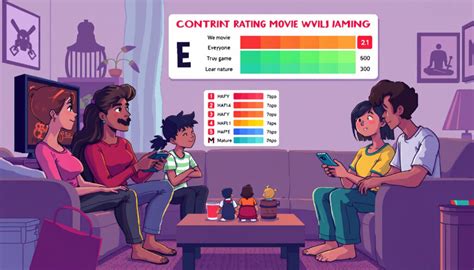
Instead of just dictating rules, engage in open conversations with your child about their gaming. Ask what they enjoy about their games, who they play with, and what they learn. Understanding their gaming world can help you connect with them and provide more informed guidance. Occasionally, join them in a game or watch them play to show interest and monitor content.
Discuss the importance of schoolwork, not just for grades, but for learning and future opportunities. Help them connect their academic efforts to their long-term goals and interests. This approach builds trust and mutual respect, making them more likely to cooperate.

Leading by Example and Seeking Support
Children often mirror their parents’ behavior. Be mindful of your own screen habits. If you’re constantly on your phone or computer, it sends a mixed message. Demonstrate healthy screen use, prioritize family time, and engage in non-screen activities yourself.
Don’t hesitate to utilize parental control apps or device settings that can help enforce time limits and block inappropriate content. These tools can be a helpful support system, especially for younger children. Remember that finding the right balance is an ongoing process that may require adjustments as your child grows and their needs change.

Conclusion: Cultivating Healthy Digital Habits
Balancing kids’ gaming screen time with schoolwork is a modern parenting challenge, but one that is entirely manageable with a thoughtful approach. By setting clear expectations, implementing effective strategies, fostering open communication, and leading by example, parents can help their children develop responsible digital habits that serve them well into adulthood. The goal isn’t to eliminate gaming, but to integrate it into a balanced lifestyle where academic success and overall well-being remain priorities.