



How to identify player-friendly F2P Gacha games & avoid predatory tactics?

Decoding the Free-to-Play Gacha Landscape
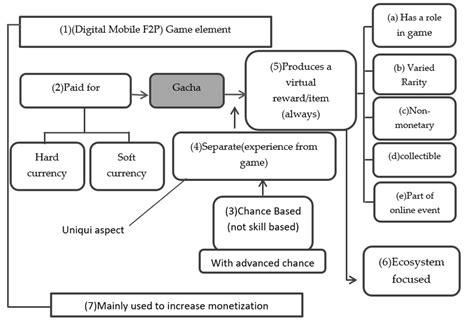
The world of Free-to-Play (F2P) Gacha games is vast and ever-growing, offering enticing gameplay loops and the thrill of collecting rare characters or items without an upfront cost. However, beneath the surface of engaging mechanics and vibrant graphics, a spectrum of monetization strategies exists. Some games genuinely aim for long-term player satisfaction, while others employ aggressive, even predatory, tactics designed to extract maximum revenue, often at the expense of player well-being. Identifying the former and steering clear of the latter is crucial for an enjoyable and sustainable gaming experience.
![DOWNLOAD VLC MEDIA PLAYER LATEST VERSION 2022 [Windows & Mac] » Edu ...](/images/aHR0cHM6Ly90czMubW0uYmluZy5uZXQvdGg/aWQ9T0lQLjFjemlHbDBVNXF5VlNkenJ1UTFjU0FIYUVvJnBpZD0xNS4x.webp)
Signs of a Genuinely Player-Friendly Gacha Game
A truly player-friendly gacha game prioritizes retention and enjoyment over immediate cash grabs. Here are key indicators to look for:
- Generous Premium Currency Distribution: Look for games that offer a steady, substantial stream of premium currency (the in-game money used for gacha pulls) through daily logins, quests, achievements, and regular in-game events. This allows F2P players to participate meaningfully in gacha systems.
- Fair Gacha Rates and Pity Systems: Transparency is key. Good games publish their gacha rates clearly. Even better are robust pity systems that guarantee a rare pull after a certain number of attempts, or ‘soft pity’ where rates increase gradually. This provides a sense of achievable progression.
- Viable Free-to-Play Progression: Can you clear most, if not all, of the game’s content using only characters and resources obtained without spending money? If the core gameplay loop doesn’t hit a paywall, it’s a good sign. Character kits should feel complete without multiple paid duplicates.
- Cosmetics Over Power: A healthy monetization model often focuses on selling optional cosmetic items (skins, emotes, housing decorations) rather than essential power boosts. When spending is primarily for aesthetic reasons, it signals that the game’s core balance is respected.
- Good Communication & Developer Engagement: Developers who listen to feedback, implement changes based on community input, and communicate openly about future updates and game balance issues tend to foster a more positive player environment.
Recognizing and Avoiding Predatory Tactics
On the flip side, many games employ strategies designed to exploit psychological vulnerabilities and encourage impulsive spending. Be wary of these red flags:

- Aggressive Monetization Pop-ups & FOMO: Constant, intrusive pop-ups promoting limited-time offers, ‘whale packs,’ or ‘beginner bundles’ that disappear quickly create a sense of urgency and fear of missing out (FOMO). This pressure can lead to impulse purchases.
- Rapid Power Creep: This occurs when newly released characters or items are significantly more powerful than existing ones, quickly rendering older, often expensive, characters obsolete. This forces players to constantly spend to stay competitive.
- Lack of Pity or Extremely Low Rates: Games without any pity system, or with extremely low gacha rates combined with high costs per pull, are designed to be money pits. The odds of getting what you want become astronomically low without significant spending.
- Energy Systems that Heavily Restrict Playtime: While energy systems aren’t inherently bad, those that deplete extremely quickly, recharge very slowly, and offer little in-game regeneration often push players to buy energy refills just to play the game for a reasonable duration.
- Direct Pay-to-Win Elements: If the game makes it nearly impossible to progress or compete in PvP without spending money on specific characters, gear, or stat boosts, it’s a clear pay-to-win model. This creates an unfair advantage for spenders and frustrates F2P players.
- Misleading UI & Psychological Nudges: Using bright colors, flashing animations, and confusing currency exchanges (e.g., buying ‘gems’ to buy ‘crystals’ to buy ‘pulls’) can obscure the real monetary cost and make spending feel less impactful.

How to Research and Evaluate Before Committing
Before investing significant time (or money) into a new gacha game, do your homework:
- Check Community Reviews: Head to Reddit, dedicated game forums, YouTube reviews, and Twitch streams. Look for discussions about monetization, power creep, and F2P viability. Disgruntled players are often vocal.
- Watch Long-Term Playthroughs: Don’t just watch launch day hype videos. Find creators who have played the game for months or even years to see how the meta evolves and if the game remains F2P friendly over time.
- Try It Out: Download the game and play for a week or two without spending. See how far you can get, how many gacha pulls you accumulate naturally, and if you hit any frustrating paywalls.
- Analyze Developer History: If the developer or publisher has a track record of launching predatory games, approach their new titles with extreme caution.
Conclusion: Play Smart, Not Hard
The F2P gacha market can be a minefield, but with a discerning eye and a bit of research, you can find gems that offer genuine fun without constantly demanding your wallet. By understanding the hallmarks of player-friendly design and recognizing the red flags of predatory monetization, you empower yourself to make informed choices, ensuring your gaming experience remains enjoyable and respectful of your time and resources. Remember, the goal is to play games, not to be played by them.