


How to manage kid’s gaming screen time without daily battles?

The ping of a notification, the intense focus on a gaming console, or the endless scroll through a tablet – for many parents, these familiar scenes often lead to daily skirmishes over screen time. Managing children’s gaming habits has become one of the most persistent challenges in modern parenting. The struggle is real: kids want more, parents worry about the impact, and the ensuing power struggles can leave everyone exhausted.
But what if there was a way to navigate this digital landscape without the constant friction? What if you could foster healthy tech habits and establish clear boundaries, not through endless nagging, but through understanding, collaboration, and consistent strategies? This article will explore practical, battle-free approaches to managing your child’s gaming screen time, turning conflict into cooperation.
Understanding the Digital Tug-of-War
Before we can find solutions, it’s crucial to understand why screen time often becomes a contentious issue. For children, gaming isn’t just a pastime; it’s a world of social connection, achievement, and thrilling challenges. Limiting it can feel like a punishment or an attack on their social life. They might experience FOMO (fear of missing out) if their friends are still online, or frustration from being pulled away mid-game.
On the parental side, concerns range from academic performance and sleep disruption to social development and potential addiction. This fear often translates into reactive measures, leading to arbitrary rules that feel unfair to children and are difficult for parents to enforce consistently.

Shifting from “Rules” to “Routines” and “Collaboration”
The most powerful shift you can make is moving away from authoritarian rules towards a collaborative family routine. Involve your child in the process of setting limits. When children feel heard and have a say, they are far more likely to buy into the plan and adhere to it voluntarily.
Create a Family Media Plan Together
Sit down as a family and discuss screen time. Don’t just dictate; ask questions: “How much gaming time feels fair to you?” “What responsibilities need to be done before screen time?” “What other activities do we want to make time for?” Write down the agreed-upon plan. This could include:
- Specific daily/weekly gaming limits.
- Designated screen-free times (e.g., during meals, an hour before bedtime).
- A ‘first-then’ approach (e.g., “First homework, then gaming”).
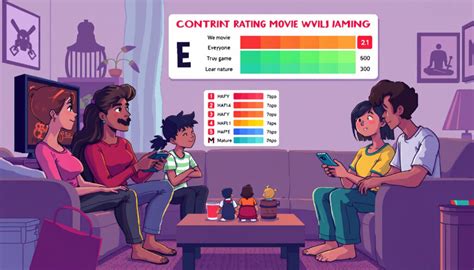
- Agreement on game content.
Practical Strategies for Smooth Management
Once you have a collaborative plan, implement practical strategies to make adherence easier for everyone.
Utilize Timers and Visual Cues
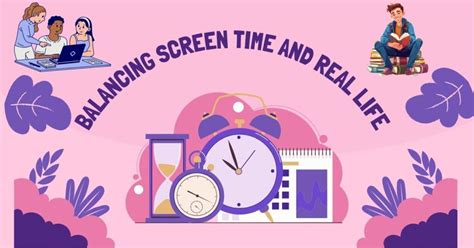
Analog timers or kitchen timers are excellent tools. When the timer goes off, the gaming stops. This external cue depersonalizes the limit; it’s not you saying “stop,” it’s the timer. For younger children, visual countdowns can be very effective. Many games and consoles also have built-in timers or parental control features.

Designate Tech-Free Zones and Times
Establish certain areas or times as completely tech-free. Examples include the dining table during meals, bedrooms after a certain hour, or family outings. This helps children develop healthy boundaries around technology and encourages face-to-face interaction.
“Earned” Screen Time
Link screen time to responsibilities. For instance, complete chores, homework, or spend time reading, and then earn gaming minutes. This teaches valuable lessons about responsibility, time management, and the idea that privileges are often earned.
Encourage Diverse Activities
Ensure there are appealing alternatives to gaming. Provide opportunities for outdoor play, creative arts, reading, board games, and spending time with friends offline. When children have a variety of engaging options, they are less likely to default to screens out of boredom.

Leveraging Technology (Wisely)
It might seem counterintuitive, but technology itself can be an ally in managing screen time.
Parental Control Apps and Features
Many devices and routers offer built-in parental controls that allow you to set time limits, filter content, and even schedule internet shutdowns. Explore options like Google Family Link, Apple Screen Time, or specific console settings (PlayStation, Xbox, Nintendo). These tools can enforce limits automatically, reducing the need for constant parental intervention.

Lead by Example and Stay Consistent
Children are keen observers. Your own relationship with screens significantly influences theirs. Are you constantly checking your phone? Do you model balanced digital habits? Being mindful of your own screen use sends a powerful message.
Consistency is key. A plan that is enforced one day and ignored the next will quickly lose its effectiveness. It takes patience and persistence, but sticking to the agreed-upon routine builds trust and reinforces the boundaries. Be prepared to adapt the plan as your child grows and their needs change.

Conclusion
Managing kids’ gaming screen time doesn’t have to be a daily battleground. By fostering an environment of open communication, collaboration, and consistent routines, you can empower your children to develop self-regulation and healthy digital habits. Remember, the goal isn’t to eliminate screens, but to integrate them mindfully into a balanced and fulfilling life. With patience and a proactive approach, you can transform conflict into cooperation, ensuring a more peaceful and digitally healthy home.