


How to balance gaming screen time with homework & outdoor play?

Navigating the Digital-Real World Divide for Kids
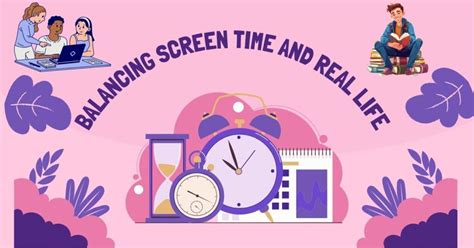
In today’s digitally saturated world, parents often find themselves walking a tightrope: balancing their children’s innate desire for gaming and screen time with the crucial demands of homework and the irreplaceable benefits of outdoor play. It’s a common dilemma, and finding that sweet spot is essential for fostering well-rounded, healthy, and happy children.
The allure of virtual worlds is strong, offering endless entertainment and social connections. However, excessive screen time can impede academic performance, physical activity, and social development in the real world. This article will provide practical strategies and insights for parents aiming to create a harmonious schedule that respects all facets of a child’s growth.

Understanding the Modern Parental Challenge
The challenge isn’t just about limiting screens; it’s about understanding the “why” behind the screen attraction and offering compelling alternatives. Children are naturally drawn to interactive games and digital content. For many, it’s a social hub, a creative outlet, or a way to unwind. Dismissing it entirely can lead to resentment and defiance. Instead, the goal is integration and moderation.
Moreover, the academic pressures on children are significant. Homework can feel like a chore, often postponed in favor of more stimulating digital activities. Simultaneously, outdoor play, once a cornerstone of childhood, now competes with indoor entertainment, leading to concerns about physical health, creativity, and connection with nature.
Establishing Clear Boundaries and Consistent Routines
The foundation of a balanced lifestyle for children lies in clear expectations and predictable routines. Discussing these boundaries as a family and involving children in the process can significantly increase their buy-in and cooperation.
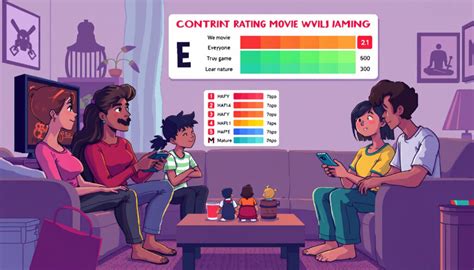
- Family Media Plan: Create a written plan detailing when, where, and for how long screens can be used. Define screen-free zones (e.g., dinner table, bedrooms) and times (e.g., an hour before bedtime).
- Use Timers: Physical timers can be incredibly effective for managing screen time limits, making the rules feel less arbitrary and more objective. When the timer goes off, the screen goes off.
- “First, Then” Rule: Implement a structure where responsibilities come before rewards. For example, “First, homework is done, then you can have 30 minutes of gaming.”

Prioritizing Academic Responsibilities
Homework is a non-negotiable part of school life, helping children consolidate learning and develop responsibility. Integrating it smoothly into the daily schedule prevents it from becoming a source of conflict.
- Dedicated Homework Time: Establish a consistent time and quiet space for homework immediately after school or after a short break. This signals its importance.
- Break Down Tasks: For children who feel overwhelmed, help them break larger assignments into smaller, manageable chunks. This can make the process less daunting and allow for mini-breaks or rewards.
- Connect to Real-World Rewards: While gaming time can be a reward, also emphasize non-screen related rewards for completed tasks, such as extra story time, a special outing, or choosing the family dinner.

Fostering a Love for Outdoor Play
Outdoor play is vital for physical health, cognitive development, creativity, and social skills. It provides sensory experiences that screens simply cannot replicate.
- Schedule It In: Just like homework or screen time, allocate specific slots for outdoor play. Make it a non-negotiable part of the day, even if it’s just 30 minutes in the backyard or a walk around the block.
- Make it Engaging: Provide opportunities for varied outdoor activities – bikes, balls, chalk, gardening tools, or simply exploring a local park. Invite friends over for outdoor games.
- Lead by Example: Join your children outdoors. Play catch, go for a walk, or work in the garden together. Your participation makes outdoor time more appealing and models healthy habits.

The Power of Communication and Flexibility
No plan is perfect, and children’s needs evolve. Open communication and a willingness to adapt are crucial for long-term success.
- Involve Children in Decisions: Regularly check in with your children about how the schedule is working. Listen to their perspectives and involve them in finding solutions to challenges. This fosters a sense of ownership.
- Be Flexible, Not Lenient: There will be days when the schedule needs adjusting due to special events or unforeseen circumstances. Be flexible, but ensure the core principles of balance remain intact.
- Educate Them: Explain the ‘why’ behind the rules. Help them understand the benefits of physical activity, the importance of learning, and the potential downsides of excessive screen time.
Achieving a healthy balance between gaming, homework, and outdoor play is an ongoing journey, not a destination. By implementing clear boundaries, consistent routines, and fostering open communication, parents can empower their children to enjoy the best of both worlds – digital and real – preparing them for a balanced and fulfilling life.