




Actionable tips for managing kids’ game screen time limits without arguments?

Navigating the Digital Playground Peacefully
Managing kids’ screen time, especially when it comes to beloved video games, often feels like a daily battleground. The beeping timers, the pleas for ‘just five more minutes,’ and the inevitable meltdowns can strain even the most patient parent. But what if there was a way to navigate these digital waters without constant arguments? The good news is, with a proactive approach, clear communication, and consistent boundaries, it’s entirely possible to establish healthy screen time habits peacefully.
The key lies in shifting from a reactive stance to one of collaboration and understanding. Instead of imposing rules, aim to involve your children in the process, helping them develop self-regulation and a balanced approach to technology. This article will provide actionable strategies to help you manage game screen time limits, fostering cooperation rather than conflict.

Establish Clear Expectations and Consistent Routines
One of the biggest sources of arguments stems from unclear expectations. Children thrive on routine and knowing what to expect. When screen time limits are ambiguous or inconsistently applied, it creates fertile ground for negotiation and protest.
- Collaborate on Rules: Instead of dictating, sit down with your children and discuss screen time. Ask them what they think are reasonable limits and why. When children feel heard and have a say in the rules, they are far more likely to adhere to them.
- Visual Timers are Your Friend: Digital or physical timers can be incredibly effective. A visual timer that counts down eliminates the need for you to constantly remind them. When the timer goes off, the game stops. This external tool takes the ‘bad guy’ role away from you.
- Predictable Schedule: Integrate screen time into the daily routine. For example, ‘After homework and dinner, you have 30 minutes of game time.’ This predictability reduces anxiety and the feeling that screen time is a random reward or punishment.
- The ‘Why’ Matters: Explain the reasons behind the limits – for their eyes, for their brains, for other activities, for sleep. Understanding the rationale helps children internalize the importance of balance, rather than just seeing it as an arbitrary restriction.
Create a Screen Time Contract
For older children, a written screen time contract can be a powerful tool. It formalizes the agreement and serves as a clear reference point for everyone. This isn’t just a list of rules; it’s a mutual understanding.
Include details such as:
- Daily or weekly time limits for games.
- Specific times when gaming is allowed (e.g., after chores, before dinner).
- What needs to be done before screen time (homework, chores, outdoor play).
- Consequences for not following the agreement (e.g., losing screen time the next day).
- Family screen-free zones or times (e.g., no devices at the dinner table, charging devices outside bedrooms).
Have everyone sign it, including parents, and post it in a visible place. This shared accountability reduces room for debate.

Offer Alternatives and Encourage Other Activities
Often, children gravitate towards screens because they don’t have appealing alternatives or feel bored. Proactively suggesting and facilitating other engaging activities can naturally reduce their desire for game time.
- Brainstorm Fun Alternatives: Regularly sit down as a family and brainstorm non-screen activities: board games, reading, crafting, outdoor adventures, cooking together, playing sports.
- Make it Accessible: Ensure that toys, books, and art supplies are easily accessible and organized. A messy playroom can be as uninviting as a blank wall.
- Lead by Example: Your own screen habits set a powerful precedent. If you’re constantly on your phone, it’s harder to preach moderation to your children. Model the balance you wish to see.
- Planned “Screen-Free” Times: Dedicate specific times each day or week for the entire family to engage in screen-free activities. This could be ‘family game night’ or a ‘nature walk afternoon.’
Leverage Technology for Your Advantage
While technology can be the source of conflict, it can also be part of the solution. Many devices and apps offer built-in parental controls designed to help manage usage.
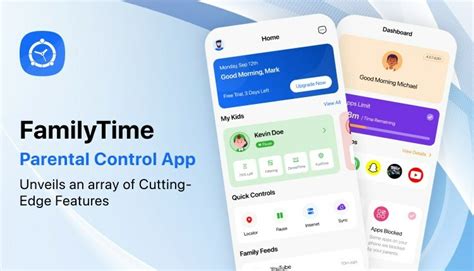
- Parental Control Apps/Features: Explore features on gaming consoles, tablets, and smartphones that allow you to set time limits, schedules, and even content restrictions. Many routers also offer network-level controls.
- Time Management Tools: Use apps like ‘OurPact,’ ‘Qustodio,’ or ‘Google Family Link’ to manage and monitor screen time across multiple devices. These tools can automatically lock devices or specific apps when limits are reached.
- The “Charging Station” Rule: Designate a central charging station, preferably outside bedrooms, where all devices go at a certain time each night. This ensures better sleep and reduces late-night gaming temptation.
The Power of Connection and Positive Reinforcement
Ultimately, managing screen time is less about control and more about connection. When children feel understood and valued, they are more cooperative.
- Acknowledge Feelings: When it’s time to turn off the game, acknowledge their feelings. ‘I know it’s hard to stop when you’re in the middle of something fun.’ This validates their experience before gently redirecting.
- The “First/Then” Approach: Structure requests using ‘first/then.’ ‘First, you finish your homework, then you can have 30 minutes of game time.’ This provides clarity and motivation.
- Spend Quality Time: Regularly engage with your children in activities they enjoy, both on and off-screen. Sometimes, children use games to fill a void or seek attention.
- Praise and Reward: Positively reinforce good behavior. When they gracefully transition from gaming to another activity, praise their effort and cooperation. Small rewards (not related to screen time) can also be effective motivators.

Conclusion
Managing kids’ game screen time limits without arguments is a journey, not a destination. It requires patience, consistency, and a willingness to adapt as your children grow. By involving your kids in the rule-making process, setting clear expectations, offering engaging alternatives, and leveraging available technology, you can transform a common source of conflict into an opportunity for teaching valuable life skills in self-regulation and balanced living. Remember, the goal isn’t just to limit screen time, but to cultivate a healthy, harmonious relationship with technology within your family.