




How to balance kids’ daily gaming with other activities & avoid screen time battles?

In today’s digital age, video games are an undeniable part of many children’s lives. While offering entertainment, problem-solving skills, and social connection, excessive gaming can sometimes overshadow other crucial activities like homework, outdoor play, and family time. For parents, navigating this landscape often leads to frustrating screen time battles. The key isn’t to ban gaming entirely, but to foster a healthy, balanced approach.
Understanding the Allure: Why Kids Love Gaming
To effectively manage screen time, it helps to understand why games are so captivating. They offer instant gratification, a sense of accomplishment, social interaction with friends, and a temporary escape. Recognizing these underlying needs can help parents find healthier outlets or integrate them into a balanced schedule rather than just imposing restrictions. It’s about meeting those needs constructively.

Establishing Clear Boundaries and Routines
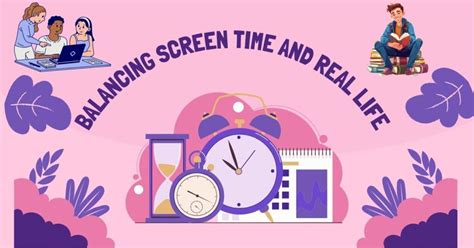
Consistency is paramount. Work with your child to establish clear, age-appropriate rules for gaming. This isn’t about rigid dictation but about collaborative rule-setting. Discuss daily limits – perhaps 30 minutes on weekdays and an hour on weekends, or tied to completed chores/homework. Use visual timers, set up device time limits through parental control apps, and have designated “no-screen” zones or times, like during meals or before bed.
Create a daily schedule that visibly allocates time for gaming alongside schoolwork, outdoor play, reading, and creative activities. When children know what to expect, and that gaming is a part of their day, they are often more compliant. Make sure these boundaries are consistently enforced by all caregivers.
Encouraging and Facilitating Alternative Activities
Gaming often fills a void. Proactively introduce and encourage a diverse range of alternative activities. Sign them up for sports, art classes, music lessons, or Scouts. Encourage outdoor play – a bike ride, a trip to the park, or simply playing in the garden. Set up a family game night with board games, read together, or engage in creative projects like drawing, building, or cooking.
The goal is to make these alternatives as appealing as possible. Sometimes, parents need to actively participate and make these experiences fun, rather than just suggesting them. Explore your child’s non-gaming interests and help them pursue those passions.

Open Communication and Collaboration
Instead of imposing rules, involve your children in the decision-making process. Ask them what they think is a fair amount of screen time, and discuss the consequences of excessive gaming (e.g., eye strain, poor sleep, neglected responsibilities). When kids feel heard and have a say, they are more likely to buy into the rules. Use “if-then” statements: “If your homework is done and your chores are complete, then you can have 30 minutes of gaming.”
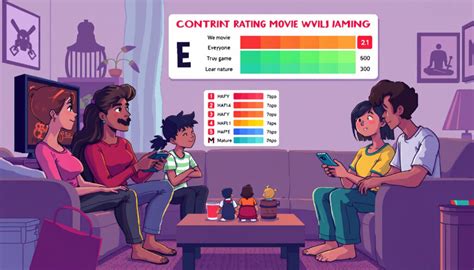
Regularly check in with them about what games they are playing and who they are playing with. This opens lines of communication and allows you to understand their digital world better, fostering trust rather than resentment.

Leading by Example and Seeking Balance as a Family
Children are keen observers. If parents are constantly glued to their phones or laptops, it sends a mixed message. Model healthy screen habits by setting your own device-free times, engaging in non-digital hobbies, and being present during family activities. Make a conscious effort to put your devices away during meals and conversations.
Consider implementing “tech-free” zones or hours for the entire family. This demonstrates that balance is important for everyone, not just the kids. Family members can then rediscover conversations, hobbies, and shared experiences.

Conclusion: Fostering a Healthy Digital Ecosystem
Balancing kids’ daily gaming with other activities is an ongoing process that requires patience, consistency, and adaptability. By understanding the appeal of gaming, establishing clear boundaries, encouraging diverse interests, maintaining open communication, and leading by example, parents can avoid constant screen time battles. The goal is to cultivate a healthy digital ecosystem where gaming is a fun, integrated part of a child’s life, not the sole focus, ensuring they thrive in all aspects of their development.