




What are practical tips for managing kids’ gaming screen time without daily battles?

Managing children’s gaming screen time is a common challenge for parents in the digital age. The goal isn’t necessarily to eliminate gaming, but rather to foster a healthy balance that supports their development, education, and well-being without constant arguments. This article will explore practical, battle-free strategies to help families navigate the complexities of digital entertainment.
Establish Clear Expectations and a Family Media Plan
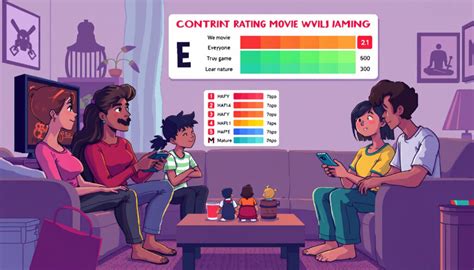
The first step to avoiding daily screen time battles is to set clear, consistent boundaries. Involve your children in creating a “Family Media Plan.” This isn’t just about limiting time; it’s about defining when, where, and what kind of content is acceptable. Discuss why these rules are important, focusing on health, sleep, and other activities. A visual chart or written agreement can be a powerful tool for mutual understanding.
Consider a screen time budget, where children have a certain amount of time they can allocate throughout the day or week. This teaches them self-regulation and the value of their time, giving them a sense of control within established limits.

Prioritize Communication and Collaboration
Instead of dictating rules, engage in open dialogue with your children. Ask them what games they enjoy, why they like them, and how much time they think is reasonable. You might be surprised by their insights. When children feel heard and have a say in the rules, they are far more likely to adhere to them. This collaborative approach builds trust and reduces resentment.
Discuss the difference between “gaming” time and “educational” screen time, if applicable, and how those might be managed differently. Regularly revisit and adjust the plan as children grow and their needs change, fostering a flexible yet structured environment.

Implement Structured Schedules and Tech-Free Zones
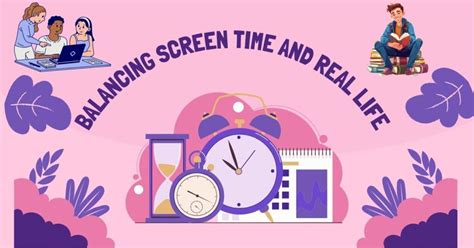
Predictability is a powerful ally in managing screen time. Establish a daily routine that clearly designates times for gaming and times for other activities. For instance, gaming might be allowed only after homework and chores are done, or during specific windows on weekends. Use a visual timer to help children understand when their session is ending, giving them time to finish their current activity and transition smoothly.

Define “tech-free zones” and “tech-free times.” Bedrooms, mealtimes, and family gatherings are excellent candidates for no-screen policies. This ensures dedicated time for sleep, conversation, and face-to-face interaction, reinforcing the idea that screens are one part of life, not the whole of it.
Encourage a Diverse Range of Offline Activities
One of the most effective ways to reduce screen time battles is to make offline life more appealing. Actively encourage and provide opportunities for other interests. This could include sports, art, music lessons, reading, outdoor play, board games, or helping with household projects. When children have engaging alternatives, they are less likely to gravitate solely towards screens.

Get involved yourself! Join them in outdoor adventures, cook together, or read a book. Your active participation in non-screen activities not only strengthens family bonds but also models a balanced lifestyle. The goal is to fill the void that might otherwise be taken up by gaming, offering rich, real-world experiences.
Lead by Example and Maintain Consistency
Children are keen observers. Your own screen habits significantly influence theirs. If you’re constantly on your phone or tablet, it’s harder to enforce limits for your kids. Model healthy screen use by putting away your devices during family time, meals, and before bed. Show them that there’s a world beyond the glowing screen.

Consistency is paramount. Once rules are established, stick to them. Bending the rules occasionally sends mixed messages and can quickly lead back to battles. While flexibility is important for adapting to new situations, the core principles of your media plan should remain firm. When setbacks occur, calmly reiterate the rules and the reasons behind them, rather than engaging in power struggles.
Conclusion
Managing kids’ gaming screen time without daily battles is an ongoing process that requires patience, communication, and consistency. By establishing clear expectations, collaborating on rules, implementing structured routines, encouraging diverse offline activities, and modeling healthy habits, parents can guide their children toward a balanced and fulfilling life where digital entertainment plays a positive, rather than dominant, role. Remember, the ultimate goal is not just control, but teaching self-regulation and fostering a love for varied experiences.