




What F2P gacha mechanics signal a fair game vs. a predatory one for new players?
Navigating the Gacha Landscape: Fair Play vs. Predation
The free-to-play (F2P) gacha model has become a dominant force in mobile gaming and increasingly, on PC and console. While offering a seemingly free entry point, these games often rely on randomized mechanics to incentivize spending. For new players, the line between a genuinely fair, enjoyable experience and a predatory system designed to exploit wallets can be incredibly blurry. Understanding key mechanics is essential to making informed choices and enjoying the game without financial regret.
Signals of a Fair F2P Gacha Game
A fair F2P gacha game prioritizes player enjoyment and long-term engagement, even for those who choose not to spend. Here are the hallmarks:
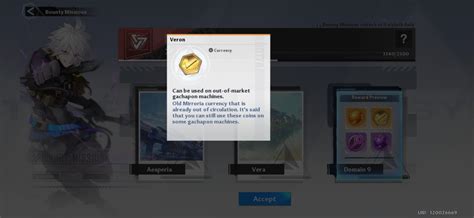
- Generous Premium Currency: Fair games provide ample opportunities to earn premium currency (the in-game money used for gacha pulls) through gameplay, events, daily quests, and story progression. This allows F2P players to accumulate enough for meaningful pulls over time.
- Clear & Transparent Gacha Rates: Reputable games openly publish their gacha rates, often directly within the summoning menu. These rates should be understandable and consistent, showing the probability of pulling different rarities or specific characters/items.
- Guaranteed Pity Timers & Spark Systems: A “pity timer” ensures that after a certain number of failed pulls, players are guaranteed a high-rarity item. “Spark systems” allow players to accumulate a specific currency from pulls (sparks) that can then be exchanged for a desired character/item, preventing endless unlucky streaks.
- Meaningful Non-Gacha Progression: F2P players should be able to make significant progress and enjoy core content without relying solely on gacha. This includes robust crafting systems, farmable resources, alternative ways to acquire strong characters/gear, and challenging content that doesn’t strictly require the “best” gacha pulls.
- Events Rewarding Engagement: Events should offer valuable rewards, including premium currency, unique characters/items, and progression materials, that are accessible to F2P players who invest their time.
Warning Signs of a Predatory Gacha Game
Conversely, predatory gacha games are often characterized by mechanics designed to frustrate, pressure, and ultimately compel players into spending money.
- Extreme Premium Currency Scarcity: F2P premium currency income is meager, making it nearly impossible to save for pulls without spending. This forces players to either spend money or accept minimal progression.
- Obscure or Misleading Rates: Gacha rates are hidden, vaguely worded, or presented in a way that makes it difficult to understand the true odds. Sometimes, rates might even be “dynamic” or manipulated.
- Lack of Pity or Extremely High Pity: No guaranteed pity timer means players can spend indefinitely without getting what they want. If a pity exists, it might be set at an unreasonably high number (e.g., hundreds of pulls for a single desirable item) or doesn’t guarantee the specific item.
- Aggressive Power Creep: New characters or items are constantly released that significantly outclass existing ones, making previous investments feel obsolete and creating a perpetual need to pull for the latest “meta.”
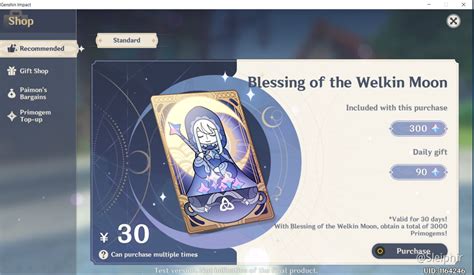
- Intrusive Monetization & Time Gates: Constant pop-ups, limited-time offers with aggressive timers, and energy systems that severely restrict gameplay unless more “stamina” is purchased are common. These tactics aim to create urgency and frustration.
- Pay-to-Win (P2W) Barriers: Competitive modes or end-game content are designed in such a way that F2P players are at a severe disadvantage, effectively gating access to the full experience behind a paywall.

The Impact on New Players
For new players, these distinctions are particularly critical. A predatory game can quickly lead to burnout, frustration, and the feeling that you “missed out” because you didn’t spend. It can warp expectations, making you believe that constant spending is the norm. A fair game, however, offers a welcoming environment where skill, strategy, and consistent play are rewarded, allowing you to build a strong roster and enjoy content at your own pace without feeling pressured.
When starting a new gacha game, take time to observe its mechanics. Check community forums, review guides, and see how long a player can progress without spending. A game that respects its F2P player base is one that often thrives in the long run, fostering a healthy community.
Conclusion: Choosing Wisely
The F2P gacha market is vast, offering both incredible experiences and regrettable traps. For new players, the ability to identify fair mechanics—generous F2P currency, transparent rates, pity timers, and non-gacha progression—versus predatory ones—scarcity, hidden rates, relentless power creep, and P2W barriers—is your best defense. Choose games that reward your time and engagement, not those that prey on your desire to keep up. Your gaming enjoyment, and your wallet, will thank you.