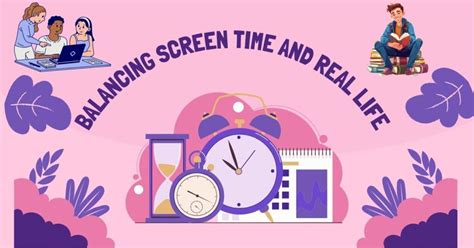





How to balance kids’ gaming with schoolwork & family time?

In today’s digital age, video games are an undeniable part of many children’s lives, offering entertainment, social connection, and even educational opportunities. However, for parents, striking a harmonious balance between their children’s gaming passions, academic duties, and quality family time can feel like an insurmountable challenge. The key lies not in outright banning games, but in thoughtful management and open communication.
Understanding the Allure of Gaming
Before implementing rules, it’s helpful to understand why gaming is so appealing to kids. Games offer instant gratification, a sense of accomplishment, social interaction with friends, and a way to de-stress. Recognizing these aspects can help parents approach the topic with empathy rather than frustration.

Setting Clear Boundaries and Rules
Consistency is paramount when it comes to managing screen time. Establish clear, age-appropriate rules for gaming hours, outlining when and for how long children can play. Consider using a family media plan or a written agreement to make these rules explicit. This might include “no gaming during weekdays” or “1 hour of gaming after homework is done.”
- Time Limits: Use timers to help children stick to their allotted gaming time.
- Designated Gaming Areas: Keep gaming in common areas of the house, not isolated bedrooms.
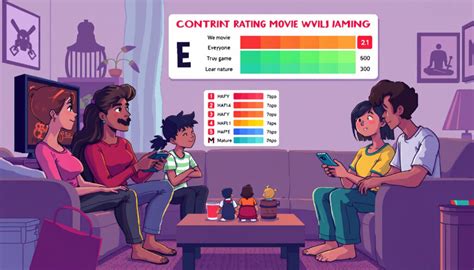
- Content Monitoring: Be aware of the games your children are playing and ensure they are age-appropriate.
Prioritizing Schoolwork and Responsibilities
School responsibilities must always come first. Make it a non-negotiable rule that homework, studying, and other academic tasks are completed before any gaming begins. This teaches children about priorities and responsibility. If grades slip, it’s a clear indicator that adjustments to the gaming schedule are needed.

Encourage children to break down larger assignments and manage their time effectively, using gaming as a reward for productive work rather than a distraction from it. This approach helps them develop vital time management skills.
Fostering Quality Family Time
Dedicated family time is crucial for bonding and creating lasting memories. Schedule regular “unplugged” activities where everyone puts away their devices. This could be family dinner, board game nights, outdoor adventures, or movie nights. The goal is to show children that there’s a vibrant world of interaction and fun beyond their screens.

Involve children in the planning of these activities to increase their buy-in and excitement. Sometimes, inviting them to play a family-friendly video game together can also be a way to bridge the gap and share in their interests, provided it’s balanced with other activities.
Open Communication and Flexibility
Regularly talk to your children about their gaming habits, the rules, and the reasons behind them. Listen to their perspectives and concerns. As children grow, their needs and interests change, so be prepared to review and adjust the rules as necessary. Flexibility doesn’t mean giving in; it means adapting the framework to suit evolving circumstances while maintaining core principles.
Teach them about digital citizenship and the importance of self-regulation. Empowering them to make responsible choices is a long-term goal that will serve them well beyond their childhood gaming years.
Conclusion: The Art of Balanced Living
Balancing kids’ gaming with schoolwork and family time is an ongoing process that requires patience, consistency, and a willingness to adapt. By setting clear boundaries, prioritizing responsibilities, creating engaging unplugged activities, and maintaining open lines of communication, parents can guide their children towards a healthy and well-rounded lifestyle where screens are a tool for enjoyment, not a dominating force.