


How to balance kids’ gaming with school & other activities effectively?

In today’s digital age, video games are an almost universal part of childhood. While they offer entertainment, social connection, and even cognitive benefits, the challenge for parents lies in preventing them from overshadowing schoolwork, family time, and other crucial developmental activities. Achieving this delicate balance requires clear strategies, consistent effort, and open communication. This guide provides practical steps to help your family navigate the world of gaming effectively.
Understanding the Appeal of Gaming
Before imposing strict rules, it’s helpful for parents to understand why gaming is so captivating. Games offer challenges, a sense of accomplishment, social interaction with friends, and a way to unwind. Acknowledging these aspects can foster empathy and help in creating rules that feel less like punishment and more like constructive guidance.
Setting Clear Boundaries and Expectations
The foundation of effective gaming management is setting clear, consistent boundaries. This means establishing specific times when gaming is allowed and how long sessions can last. Involve your children in this discussion to foster a sense of ownership over the rules.
- Time Limits: Define daily or weekly gaming allowances. Consider using timers or parental control features on devices.
- “No-Gaming” Zones/Times: Designate certain times (e.g., during meals, homework, bedtime) or areas (e.g., bedrooms after a certain hour) as screen-free.

Prioritizing Schoolwork and Responsibilities
School and homework must always take precedence. A fundamental rule should be that all academic tasks and household chores are completed before any gaming begins. This teaches responsibility and reinforces the importance of education.
- Designated Homework Time: Create a dedicated, quiet time for homework that is free from digital distractions.
- Check-in System: Before gaming, have your child show you completed homework or chores.
Encouraging Diverse Activities
A balanced childhood includes a variety of experiences. Encourage your children to explore hobbies, sports, reading, creative arts, and outdoor play. These activities are vital for physical health, social skill development, and intellectual growth beyond screens.
- Offer Alternatives: Suggest family outings, board games, or trips to the library.
- Enroll in Activities: Sign them up for sports teams, music lessons, or art classes that align with their interests.

The Family Gaming Contract
For older children, consider creating a “Family Gaming Contract.” This is a written agreement, signed by both parents and children, outlining the agreed-upon rules, consequences for breaking them, and rewards for adherence. This formalizes expectations and promotes accountability.

Leading by Example
Children learn by observing their parents. If you’re constantly on your phone or tablet, it sends a mixed message. Model healthy screen habits by limiting your own non-essential screen time, especially during family activities and meals.
Monitoring Content and Engagement
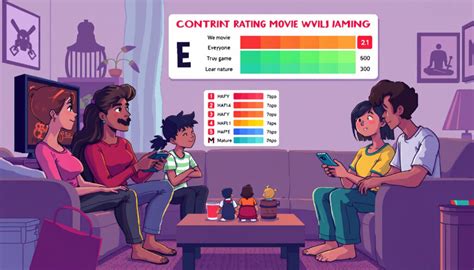
Stay informed about the games your children are playing. Understand their content, age ratings (ESRB), and online interactions. Play with them occasionally to understand their experience and ensure they are engaging in appropriate and safe environments.

When to Seek Help
While most children can balance gaming with other activities, some may struggle. Be aware of signs that gaming might be becoming problematic: neglecting personal hygiene, declining grades, withdrawing from friends/family, or showing irritability when unable to play. If you notice these patterns, don’t hesitate to consult a pediatrician, school counselor, or child psychologist.

Balancing kids’ gaming with other essential aspects of life is an ongoing process that requires patience, consistency, and adaptability. By setting clear rules, encouraging diverse interests, leading by example, and maintaining open communication, parents can help their children develop healthy habits that will benefit them far beyond their gaming years.