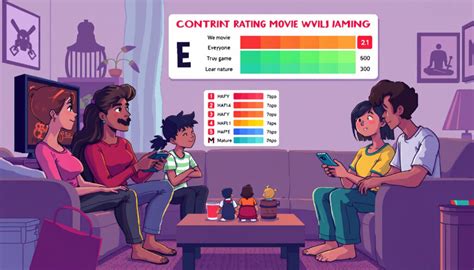





Tips to balance kids’ screen time with offline activities for healthy play?
Navigating the Digital Age: Finding Balance for Your Child’s Play
In today’s digitally saturated world, screens are an undeniable part of children’s lives. From educational apps to entertainment, digital devices offer a wealth of opportunities. However, the challenge for parents lies in striking a healthy balance, ensuring that screen time doesn’t overshadow the critical importance of offline play and real-world engagement. Nurturing healthy development means fostering creativity, physical activity, social skills, and emotional intelligence – all areas significantly boosted by non-digital interactions.
Establish Clear Boundaries and Schedules
One of the most effective strategies is to set clear, consistent rules around screen usage. This isn’t about outright banning, but rather about mindful management. Define specific time limits for different activities and age groups, perhaps 1-2 hours for older children and very limited or no recreational screen time for toddlers. Consider using timers or apps that automatically limit usage. Crucially, communicate these rules clearly to your children, explaining the ‘why’ behind them, such as the importance of outdoor play or family time.
Creating a daily or weekly schedule that designates screen-free periods or specific times for educational apps can be incredibly helpful. For instance, ‘no screens during meals’ or ‘screens only after homework and outdoor play are done.’

Promote Engaging Offline Activities
The key to reducing reliance on screens is to make offline alternatives irresistibly appealing. Stock your home with a variety of engaging options:
- Creative Play: Art supplies (paints, crayons, clay), building blocks (LEGOs, Magnatiles), dress-up clothes, musical instruments.
- Outdoor Adventures: Encourage cycling, hiking, playing sports in the park, gardening, or simply exploring the backyard. Nature play is vital for physical and mental well-being.
- Reading: Establish a daily reading time, visit the library regularly, and make books easily accessible. Reading sparks imagination and improves literacy.
- Board Games & Puzzles: These are excellent for developing critical thinking, problem-solving, and social skills (turn-taking, sportsmanship).
- Imaginative Play: Provide open-ended toys and encourage role-playing scenarios, whether it’s setting up a pretend shop or building a fort.

Model Healthy Digital Habits
Children are keen observers. Your own relationship with screens significantly influences theirs. If you’re constantly glued to your phone, it sends a mixed message. Practice what you preach by setting boundaries for your own digital use:
- Put your phone away during family meals and conversations.
- Designate screen-free times for yourself, showing your child you value other activities.
- Engage in offline activities alongside your children – read with them, play a game, or go for a walk together.
This not only sets a good example but also strengthens family bonds through shared experiences.

Designate Screen-Free Zones and Times
Creating specific areas or periods where screens are not allowed can be highly effective. The dining table is a classic example, ensuring meal times are for family connection. Bedrooms, especially at night, should ideally be screen-free to promote better sleep hygiene. Establishing a ‘digital detox’ hour before bedtime for everyone in the family can improve sleep quality and promote winding down activities like reading or talking.
Consider a ‘charging station’ outside bedrooms where all devices are put away overnight, preventing late-night scrolling and ensuring devices are ready for the next day’s controlled use.
Involve Kids in the Process and Be Flexible
When children feel like they have a say, they are more likely to comply with rules. Involve them in discussions about screen time limits and activity choices. Ask them what offline activities they’d like to try, or how they think the family can best balance screens. This fosters a sense of responsibility and ownership.
While consistency is key, flexibility is also important. There might be special occasions – a long car trip, a family movie night, or a sick day – where screen time rules can be temporarily relaxed. The goal is balance, not rigidity. Review your family’s screen time plan periodically and adjust as your children grow and their needs change.

Conclusion: Fostering a Balanced Childhood
Balancing kids’ screen time with offline activities isn’t about deprivation; it’s about enrichment. It’s about ensuring children experience the full spectrum of childhood: the joy of discovery outdoors, the satisfaction of creating something with their hands, the warmth of connecting with family and friends, and the quiet pleasure of a good book. By implementing clear boundaries, offering compelling alternatives, modeling healthy habits, and involving your children in the process, you can guide them towards a childhood rich in both digital literacy and real-world experiences, setting the foundation for lifelong well-being and healthy play.