




Effective screen time limits for kids’ games: What works best?

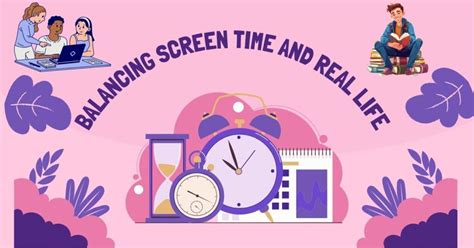
In today’s digital age, video games are an undeniable part of most children’s lives. While they can offer educational benefits, social interaction, and problem-solving skills, managing the amount of time kids spend gaming remains a significant concern for parents. The quest for effective screen time limits isn’t about outright banning games, but rather finding a healthy balance that promotes well-rounded development.

Understanding the ‘Why’ Behind Screen Time Limits
Before implementing any rules, it’s crucial for parents to understand the reasons for setting limits. Excessive screen time can interfere with physical activity, sleep patterns, academic performance, and even social-emotional development. It can also contribute to issues like eye strain, sedentary lifestyles, and potential exposure to inappropriate content. Establishing boundaries helps ensure children engage in a variety of activities essential for their growth, both online and offline.
Different Approaches to Setting Limits
There’s no one-size-fits-all solution for screen time, as every child and family is unique. However, several popular strategies can be adapted to fit your family’s needs.
Time-Based Limits: The Clock Approach
This is perhaps the most straightforward method: allocating a specific amount of time for gaming each day or week (e.g., 30 minutes on weekdays, an hour on weekends). This approach is easy to understand and enforce, especially with younger children. However, it doesn’t always account for the type or quality of the game, and stopping mid-game can lead to frustration.
Content-Based Limits: Quality Over Quantity
Instead of focusing solely on minutes, this approach prioritizes what children are playing. Educational games, creative sandboxes, or games played with family might be given more leeway than purely recreational or competitive ones. The idea here is that some screen time is more beneficial than others, promoting learning and positive interaction.

Activity-Based Rewards: Earning Screen Time
In this model, screen time for games is earned by completing other essential activities. This could include finishing homework, doing chores, spending time outdoors, or reading a book. This method encourages a balanced routine and teaches children about responsibility and time management. It frames screen time as a privilege, not an entitlement.
Family Agreements and Scheduled Play
For older children and teenagers, involving them in the discussion about screen time limits can be highly effective. A family agreement or contract, outlining agreed-upon limits, specific times for gaming, and consequences for non-compliance, fosters a sense of ownership and responsibility. Scheduling game time, much like scheduling other activities, helps integrate it into a balanced daily routine.

Quality Over Quantity: Beyond the Clock
It’s not just about how long kids play, but also how they play. Encourage games that promote critical thinking, creativity, and problem-solving. Consider co-playing with your children; this not only allows you to monitor content but also creates shared experiences and strengthens family bonds. Engaging with your child’s digital world can open doors for communication and understanding.

Practical Tips for Implementation
- Be Consistent: Once rules are set, stick to them. Inconsistency can undermine your efforts.
- Communicate Clearly: Explain the ‘why’ behind the limits in an age-appropriate way.
- Lead by Example: Children are keen observers. Model healthy screen habits yourself.
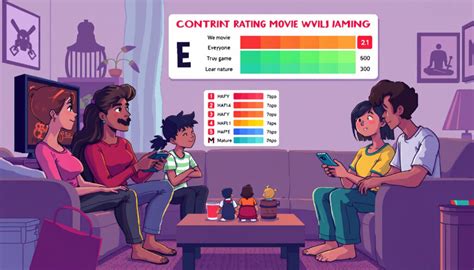
- Use Parental Control Tools: Many devices and games offer built-in controls to help enforce limits.
- Encourage Alternatives: Actively provide and promote engaging offline activities, such as sports, arts and crafts, reading, or outdoor play.
- Flexibility When Needed: Understand that special occasions or events might warrant temporary adjustments to limits.

Conclusion
Setting effective screen time limits for kids’ games is an ongoing process that requires patience, communication, and adaptability. By understanding the potential impacts, exploring various approaches, and focusing on both the quantity and quality of screen time, parents can guide their children toward a healthy and balanced digital lifestyle. The goal isn’t to eliminate games, but to integrate them responsibly into a fulfilling childhood.