




Practical tips for setting healthy video game screen time limits?

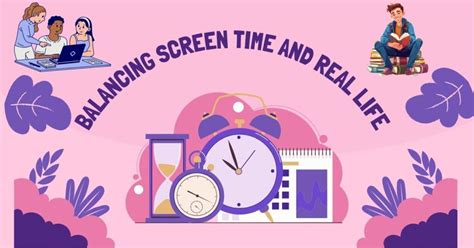
Navigating the digital landscape with children can be one of modern parenting’s greatest challenges, particularly when it comes to video games. While games offer entertainment and even skill development, unchecked screen time can impact a child’s health, academic performance, and social interactions. Setting healthy limits isn’t about outright banning but fostering a balanced approach to digital wellness. Here are practical tips to help parents establish and maintain sensible video game screen time boundaries.

Start with Open Communication
The foundation of effective screen time management is open dialogue. Instead of imposing rules, involve your children in the discussion. Explain why limits are important – for their health, sleep, studies, and other activities. Listen to their perspectives and concerns. When children feel heard, they are more likely to buy into the rules.
- Jointly create rules: Work together to decide on daily or weekly limits.
- Discuss consequences: Clearly outline what happens if rules are broken.
- Set expectations: Help them understand the value of balance.
Be Consistent and Clear
Once limits are established, consistency is paramount. Children thrive on routine and clear expectations. If rules are enforced sporadically, they lose their power and can lead to frustration for both parents and children.
- Use timers: Physical timers can help children track their own time and signal when it’s time to stop.
- Define “screen-free zones”: Designate certain areas (e.g., dining table, bedrooms at night) or times (e.g., during meals, homework) as completely screen-free.
- Avoid exceptions: While flexibility is good, avoid making frequent exceptions that undermine the established routine.

Prioritize Quality Over Quantity
Not all screen time is created equal. Consider the content your child is engaging with. Educational games or those that involve problem-solving, creativity, or social interaction (with real-world friends) might be viewed differently than passive entertainment or excessively violent games. Encourage games that offer developmental benefits.
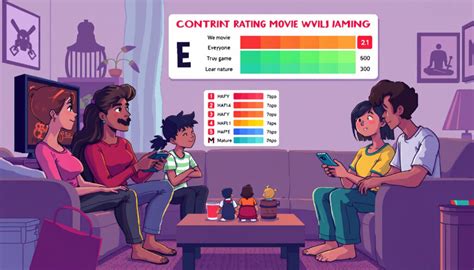
- Research games: Use resources like Common Sense Media to understand game content and age ratings.
- Play together: Join your child in their favorite games sometimes to understand the appeal and assess suitability.
Link Screen Time to Responsibilities and Rewards
Introduce the concept of earning screen time. This can be a powerful motivator for completing chores, homework, or engaging in other non-screen activities. This method teaches responsibility and self-regulation.
- “First-then” approach: “First, finish your homework, then you can play for 30 minutes.”
- Chores for time: Allocate specific amounts of screen time for completing household tasks.
- Reading goals: Tie screen time to reading a certain number of pages or for a specific duration.

Offer Engaging Alternatives
Children often default to video games out of boredom or a lack of other appealing options. Actively encourage and provide opportunities for diverse activities that stimulate their minds and bodies. This might require a bit more effort from parents but is crucial for holistic development.
- Outdoor play: Bike riding, sports, playground visits.
- Creative outlets: Art projects, building with LEGOs, music lessons.
- Reading: Trips to the library, shared story time.
- Board games and puzzles: Excellent for family bonding and cognitive skills.

Lead by Example
Children are keen observers. Your own screen habits will significantly influence theirs. If you’re constantly glued to your phone or TV, it’s harder to enforce limits on your children. Model the balanced screen usage you wish to see in them.
- Designate family screen-free times: Model putting devices away during meals or family outings.
- Prioritize face-to-face interaction: Show them the value of real-world connections.
- Be mindful of your own habits: Reflect on your screen time and adjust if necessary.
Be Flexible and Review Regularly
As children grow, their needs and interests change. What worked at age 7 might not be suitable at age 12. Regularly review your screen time rules as a family, perhaps quarterly or every six months. Discuss what’s working and what isn’t, and be prepared to make adjustments.
- Age-appropriate adjustments: Recognize that older children might have different needs, such as for online school projects or connecting with friends.
- Special occasions: Allow for some flexibility during holidays, vacations, or sleepovers.

Conclusion
Setting healthy video game screen time limits is an ongoing process that requires patience, clear communication, and consistency. The goal isn’t to demonize video games but to integrate them healthily into a child’s life, ensuring they benefit from a diverse range of activities essential for their growth and well-being. By following these practical tips, parents can empower their children to develop responsible digital habits that will serve them well into adulthood.