




How to balance kids’ game time with education and real-world play?
Navigating the Digital-Real World Divide
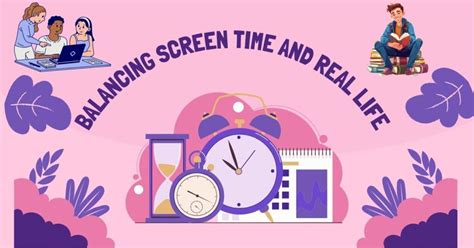
In today’s digitally saturated world, striking a healthy balance between children’s beloved video games, essential academic learning, and vital real-world play has become one of the most significant challenges for parents. While digital games offer entertainment and can even provide cognitive benefits, over-reliance can hinder development in other crucial areas. The key lies not in outright banning, but in thoughtful integration and strategic management.

Understanding the Allure of Digital Play
Digital games are designed to be engaging, offering instant gratification, challenges, and social interaction. For kids, they can be a source of fun, a way to unwind, and even a platform for developing problem-solving skills, hand-eye coordination, and strategic thinking. Acknowledging this appeal is the first step towards creating a balanced approach rather than viewing games as purely negative.
The Undeniable Importance of Education
Formal education remains the cornerstone of a child’s future. Reading, writing, mathematics, and critical thinking skills developed through schoolwork are irreplaceable. Excessive game time can easily encroach upon study hours, homework completion, and even the mental space required for deep learning. Integrating learning with play, where appropriate, can make education more appealing, but dedicated study time is non-negotiable.
Embracing the Power of Real-World Play
Real-world play, whether structured sports or unstructured outdoor exploration, is fundamental for physical, social, and emotional development. It fosters creativity, builds social skills through face-to-face interaction, develops gross motor skills, encourages problem-solving in dynamic environments, and teaches resilience. Time spent outdoors reduces screen fatigue and connects children with nature, promoting overall well-being.

Practical Strategies for Achieving Balance
Creating equilibrium requires a proactive and consistent approach. Here are several effective strategies:
1. Establish Clear Boundaries and Schedules
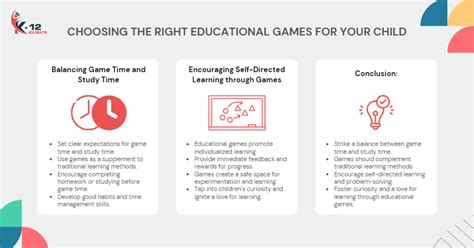
Set specific, non-negotiable limits for game time. This could be a daily allowance or a weekly total, clearly communicated to your children. Use timers and visual schedules to help younger children understand. Ensure game time only happens after schoolwork is done and chores are completed. Consistency is paramount.

2. Curate Digital Content Mindfully
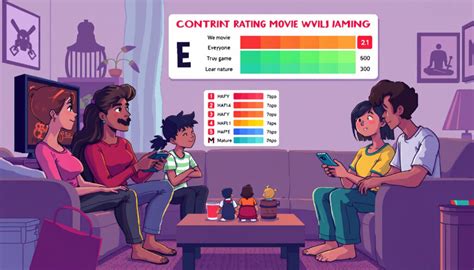
Not all screen time is equal. Encourage or introduce educational games that promote learning, creativity, or problem-solving. Review game content to ensure it’s age-appropriate and aligns with your family’s values. Consider using parental controls to manage access and screen time limits on devices.

3. Prioritize Real-World and Outdoor Activities
Actively schedule time for outdoor play, sports, art projects, reading physical books, board games, and creative free play. Make these activities appealing by providing materials, suggesting ideas, or joining in. Encourage participation in community clubs or activities that align with their interests.
4. Lead by Example
Children are keen observers. Model balanced behavior by limiting your own screen time, engaging in real-world hobbies, and prioritizing family interactions over digital devices. Share your passions and involve them in activities you enjoy.

5. Foster Open Communication
Talk to your children about why these boundaries are important. Explain the benefits of diverse activities for their brains, bodies, and friendships. Involve them in creating the family schedule where appropriate, giving them a sense of ownership over the rules.
Finding the Sweet Spot
Achieving balance is an ongoing process that requires flexibility and adaptation as children grow. It’s about empowering them to develop a healthy relationship with technology while ensuring they receive the rich, diverse experiences crucial for becoming well-rounded, capable individuals. By being intentional and consistent, parents can guide their children toward a future where digital enjoyment coexists harmoniously with academic success and joyful real-world exploration.