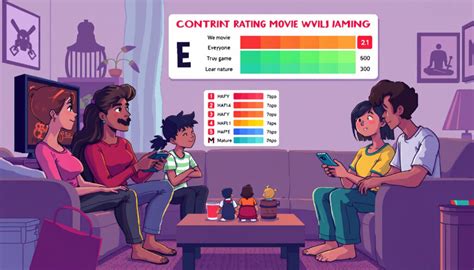


Practical strategies to manage kids’ daily gaming screen time?

In today’s digital age, managing children’s daily gaming screen time has become a prominent concern for many parents. While gaming can offer entertainment, social connection, and even educational benefits, uncontrolled usage can lead to negative impacts on physical health, sleep patterns, academic performance, and family interactions. The key lies in establishing a healthy balance that integrates digital activities into a broader spectrum of life experiences.
Understanding the Challenge and Importance
The allure of video games is undeniable for kids, with engaging graphics, interactive storylines, and social components keeping them hooked. For parents, navigating this landscape means understanding not just the appeal, but also the potential pitfalls of excessive screen time. It’s about protecting their development while fostering responsible digital citizenship. A balanced approach ensures children grow up with a healthy relationship with technology, rather than being overwhelmed by it.
Setting Clear Boundaries and Expectations
The foundation of effective screen time management is clear communication and consistent rules. Establish family guidelines that everyone understands. These rules should specify daily time limits, acceptable gaming hours (e.g., after homework, before dinner), and designated “screen-free” zones or times (e.g., bedrooms, meal times). Involve older children in setting these rules to foster a sense of ownership and responsibility.

Involving Kids in the Process
Rather than simply imposing rules, empower your children by involving them in the decision-making process. Discuss the “why” behind the limits – how too much gaming can affect sleep, school, or outdoor play. When kids feel heard and understand the rationale, they are more likely to comply and internalize the importance of balance. This collaborative approach can turn a potential power struggle into a shared goal.
The Power of Schedules and Timers
Implement a daily schedule that allocates specific blocks for gaming, ensuring it doesn’t spill over into other essential activities. Visual timers or app-based timers can be incredibly useful tools, giving children a clear countdown and helping them self-regulate. For younger children, a simple “first/then” rule (e.g., “first finish your homework, then you can play for 30 minutes”) can be very effective.

Offering Engaging Alternatives
One of the most effective ways to reduce screen time is to fill the void with exciting alternatives. Encourage participation in sports, creative arts, reading, board games, or simply unstructured outdoor play. Plan family outings, park visits, or cooking sessions. The richer and more varied a child’s real-world experiences are, the less dependent they will be on digital entertainment for stimulation.

Leading by Example and Digital Literacy
Children are keen observers. Your own screen habits set a powerful precedent. Be mindful of your phone usage during family time and demonstrate a balanced approach to technology. Additionally, take the opportunity to educate your children about digital literacy, online safety, and responsible internet behavior. Discuss potential risks, privacy settings, and how to interact respectfully with others online.
Utilizing Parental Control Tools
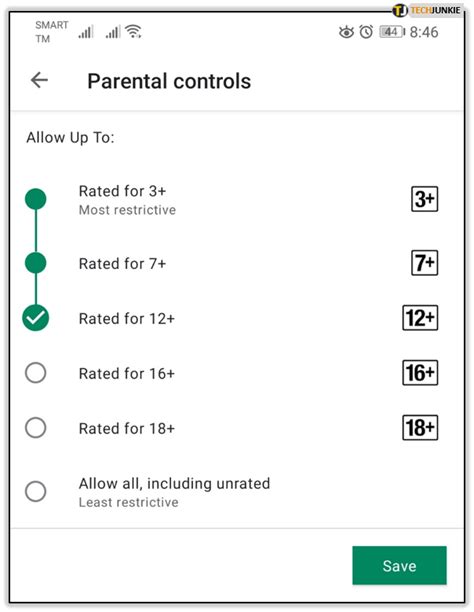
Many gaming consoles, operating systems, and internet routers offer built-in parental control features. These tools can help enforce time limits, filter content, and manage online interactions. Explore these options to create a safer and more controlled gaming environment tailored to your family’s needs. Remember, these tools are aids, not substitutes for active parenting and communication.
Consistency, Flexibility, and Communication
Consistency is paramount. Sticking to the agreed-upon rules helps children understand that limits are firm. However, also recognize the need for flexibility on special occasions (e.g., holidays, long car rides). Open and ongoing communication is key. Regularly check in with your children about their gaming habits, their online friendships, and any challenges they might be facing. This continuous dialogue fosters trust and makes adjustments easier.

Conclusion
Managing kids’ daily gaming screen time is an ongoing process that requires patience, consistency, and a proactive approach. By setting clear boundaries, involving children in the rules, offering compelling alternatives, and leading by example, parents can guide their children towards a balanced digital life. The goal isn’t to eliminate gaming, but to integrate it healthily, ensuring technology enhances rather than detracts from a child’s overall well-being and development.