




How can I effectively manage kids’ gaming screen time without daily battles?

Establishing Clear Boundaries and Expectations
Managing kids’ gaming screen time can often feel like navigating a minefield, with daily requests turning into arguments. The key to moving past these daily battles lies in establishing clear, consistent boundaries and expectations from the outset, involving your children in the process where appropriate.
Instead of imposing rules unilaterally, try to frame discussions around healthy habits and family values. Explain the ‘why’ behind the limits – for eye health, physical activity, sleep, and family connection – rather than just dictating ‘no.’ This helps children understand the rationale and fosters a sense of responsibility.

The Power of a Family Screen Time Contract
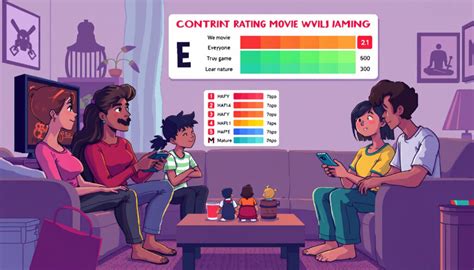
One highly effective strategy is creating a family screen time contract. This isn’t just a list of rules; it’s a collaborative agreement. Sit down with your children and draft the contract together. Discuss daily or weekly time limits, acceptable games, specific times for gaming (e.g., after homework, before dinner), and consequences for not adhering to the contract.
When children are involved in setting the rules, they are more likely to own them. Make sure the contract is written down, signed by everyone, and displayed prominently. This serves as a tangible reminder and a reference point when disputes arise, shifting the focus from parental authority to a shared agreement.
Implementing Structured Schedules and Time-Tracking Tools
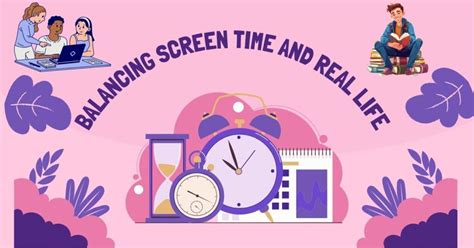
Predictability reduces resistance. Implement a consistent daily or weekly schedule for gaming. For example, specify that gaming is allowed for an hour after school or during designated weekend slots. Using visual timers (like sand timers or kitchen timers) can be incredibly helpful for younger children to see when their time is running out, reducing the shock of being told to stop.
For older children, consider using parental control apps or built-in console features that allow you to set time limits automatically. These tools can turn off gaming access once the set time is reached, taking the ‘bad cop’ role away from you and transferring it to a neutral system. This automation can significantly reduce the potential for arguments.

Promoting Alternative Activities and Quality Family Time
Screen time doesn’t exist in a vacuum; it often fills a void. To effectively manage gaming, you need to offer compelling alternatives. Encourage and facilitate other engaging activities such as outdoor play, reading, creative arts, board games, or sports. Make these alternatives easily accessible and exciting.
Crucially, dedicate time for quality family interactions that don’t involve screens. Family dinners, walks in the park, shared hobbies, or just talking and listening without distractions are vital. When children feel connected and engaged in real-world activities, the allure of gaming often naturally diminishes.

Being a Role Model and Practicing Flexibility
Children learn by watching. Be mindful of your own screen habits. If you’re constantly on your phone or laptop, your words about screen limits may ring hollow. Model balanced screen use and make an effort to put your devices away during family time.
Finally, remember that managing screen time is an ongoing process, not a one-time fix. Be prepared to be flexible and adjust rules as your children grow and their needs change. There will be days when limits are tested, but by staying consistent, calm, and collaborative, you can foster a healthier relationship with technology for your entire family without the daily battles.