
How to manage kids’ game screen time effectively without daily arguments?

Managing children’s screen time, especially when it comes to video games, is a common battleground for many parents. The daily struggle often leads to frustration, arguments, and a feeling of powerlessness. But what if there was a way to navigate this digital landscape effectively, fostering cooperation rather than conflict? The good news is, it’s entirely possible to set healthy boundaries for gaming without resorting to daily arguments. It requires a shift in approach, focusing on collaboration, consistency, and clear communication.
Establish Clear Expectations and Rules
Setting clear, understandable rules is the foundation of effective screen time management. Ambiguity breeds conflict. Instead of vague statements like “too much screen time,” define specific limits. For instance, “You can play games for 60 minutes after homework is done on weekdays, and 90 minutes on weekends.” Communicate these rules when everyone is calm, not in the heat of a gaming session.
Discuss the ‘why’ behind the rules. Explain the importance of physical activity, family time, and schoolwork. When children understand the reasoning, they are more likely to internalize and respect the boundaries, rather than seeing them as arbitrary punishments.
Consider setting a ‘no-screens-before-X-time’ or ‘no-screens-during-meals’ rule. These universal rules simplify enforcement and create natural breaks in screen usage. Consistency is paramount; once rules are set, stick to them. Wavering sends a message that the rules are negotiable, inviting more arguments.

Involve Your Kids in the Solution
Children are more likely to comply with rules they helped create. Instead of dictating terms, involve your kids in a family discussion about screen time. Ask them for their input on what feels fair and what they think are reasonable limits. This empowers them and gives them a sense of ownership over the agreement.
You might be surprised at their suggestions; often, kids are more reasonable than we give them credit for. Frame the discussion around finding a balance between gaming, other activities, and responsibilities. This collaborative approach transforms a potential battle into a shared problem-solving exercise.

Leverage Tools and Create Routines
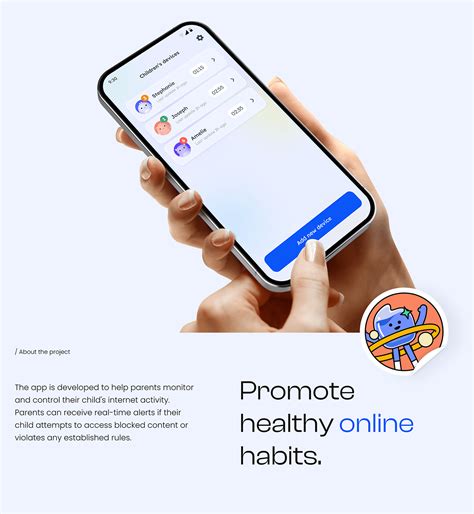
Automating screen time management can significantly reduce friction. Many devices and operating systems offer parental control features that allow you to set time limits, schedules, and even content restrictions. Utilize these tools to enforce boundaries without you having to be the constant ‘screen time police’.
Beyond technological tools, establish a clear routine. For example, “first homework, then play,” or “screen time ends 30 minutes before bedtime.” Visual timers can also be incredibly effective for younger children, giving them a concrete countdown to when their session ends, reducing the shock of being told to stop abruptly.
Provide Engaging Alternatives and Be Present
One of the biggest reasons kids gravitate towards screens is boredom or lack of other engaging options. Actively encourage and provide opportunities for non-screen activities. This could be board games, outdoor play, reading, creative arts, or helping with household tasks.
Crucially, be present and engage with them in these alternatives. If you’re constantly on your own phone while telling your child to get off theirs, the message is lost. Spend quality time together doing things that don’t involve screens. This not only models healthy behavior but also strengthens your bond and provides genuine alternatives to gaming.

Model Healthy Screen Habits Yourself
Children are keen observers. If they see you constantly glued to your phone, tablet, or computer, they’ll mimic that behavior. Practice what you preach. Be mindful of your own screen usage, especially during family time, meals, and before bed.
Show them that there’s a world beyond screens by engaging in hobbies, reading books, exercising, and interacting with others face-to-face. When parents demonstrate a balanced approach to technology, children learn invaluable lessons about digital wellness by example, making screen time discussions much easier and less confrontational.

Conclusion
Managing kids’ game screen time doesn’t have to be a daily battle. By establishing clear, consistent rules, involving children in the decision-making process, utilizing available tools, offering compelling alternatives, and modeling healthy digital habits, parents can transform conflict into cooperation. This proactive and collaborative approach not only reduces arguments but also teaches children valuable self-regulation skills, paving the way for a more balanced and harmonious family life in the digital age.