




What age-appropriate game criteria help parents choose wisely?

Decoding Age-Appropriate Game Choices for Children
In today’s digital landscape, video games are an undeniable part of many children’s lives. While they offer a wealth of entertainment, and often educational and developmental benefits, the sheer volume and variety can be overwhelming for parents striving to make responsible choices. How can parents confidently select games that are not only fun but also suitable for their child’s age and developmental stage? By understanding specific age-appropriate game criteria, parents can move beyond mere ratings and make truly informed decisions.
Understanding Game Rating Systems: A Starting Point
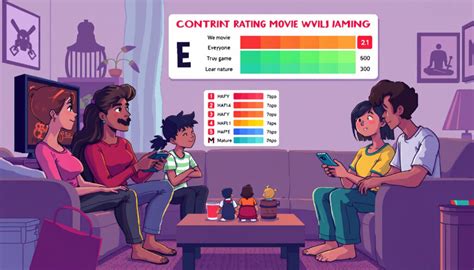
Rating systems like ESRB (Entertainment Software Rating Board) in North America, PEGI (Pan European Game Information) in Europe, or CERO in Japan, are designed to give parents an initial overview. These ratings typically suggest an age suitability and detail content descriptors such as violence, language, drug reference, or sexual themes. While invaluable, these systems are a baseline; a game rated ‘E for Everyone’ might still be too complex for a very young child, and a ‘Teen’ rating might contain themes that a particular 13-year-old isn’t ready for.

Beyond the Rating: Content Suitability and Themes
Parents should delve deeper than just the age label. Consider the specific content and themes:
- Violence: Is it cartoony and infrequent, or realistic and pervasive? Is there gore or lasting consequences?
- Language: Are there occasional mild expletives or consistent strong language?
- Themes: Does the game deal with mature topics like war, grief, or complex social issues in a way that aligns with your child’s emotional maturity?
- In-Game Purchases/Monetization: Many games, even free ones, feature microtransactions. Understanding if and how these are presented is crucial to prevent unintended spending.
Assessing Developmental Benefits and Skills
Games aren’t just entertainment; many foster valuable skills. When choosing a game, consider what cognitive, social, or motor skills it might enhance:
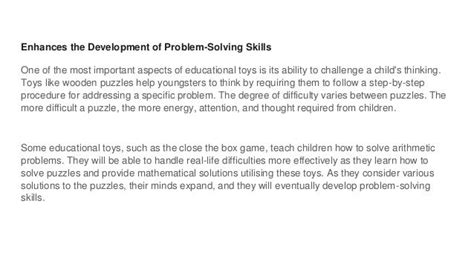
- Problem-Solving: Puzzles, strategy games, and open-world exploration can boost critical thinking.
- Creativity: Sandbox games like Minecraft or those involving building and design encourage imagination.
- Fine Motor Skills: Hand-eye coordination and dexterity improve with many action-oriented games.
- Social Skills: Cooperative multiplayer games can teach teamwork, communication, and negotiation.
- Educational Content: Some games are explicitly designed to teach subjects like history, science, or language.
Gameplay Mechanics and Complexity
The learning curve and control scheme of a game are vital. For younger children, simple, intuitive controls and clear objectives are best. As children grow, they can handle more complex narratives, intricate puzzles, and faster-paced action. A game that’s too difficult can lead to frustration, while one that’s too simple might quickly become boring.
Social Interaction and Online Safety
Many popular games feature online multiplayer modes, allowing interaction with other players. For games with online components, parents must consider:
- Communication Features: Are there voice chats, text chats, or pre-set emotes? Can these be disabled or moderated?
- Privacy Settings: Can your child’s profile or information be made private?
- Moderation: Does the game publisher actively moderate online interactions for inappropriate content?
Discussing online etiquette and safety with your child is paramount, regardless of the game’s settings.
Time Commitment and Screen Time Management
Beyond content, consider the time investment a game demands. Is it designed for quick play sessions, or does it encourage long, continuous engagement? While not directly an age-appropriate criterion, understanding this helps parents manage screen time effectively and ensure gaming doesn’t overshadow other important activities like homework, outdoor play, or family time.
Parental Involvement: The Ultimate Criteria
Perhaps the most powerful tool parents have is their own involvement. Play games with your children, watch them play, and engage in conversations about what they enjoy, what challenges them, and what they’re learning. This direct experience and open dialogue provide insights far beyond any rating or review, allowing you to gauge true age-appropriateness and guide their gaming experiences responsibly.

By considering game ratings as a starting point, evaluating content and themes, recognizing developmental benefits, assessing gameplay complexity, addressing online safety, and actively engaging with their children’s gaming world, parents can confidently choose games that are not just suitable, but enriching and fun.